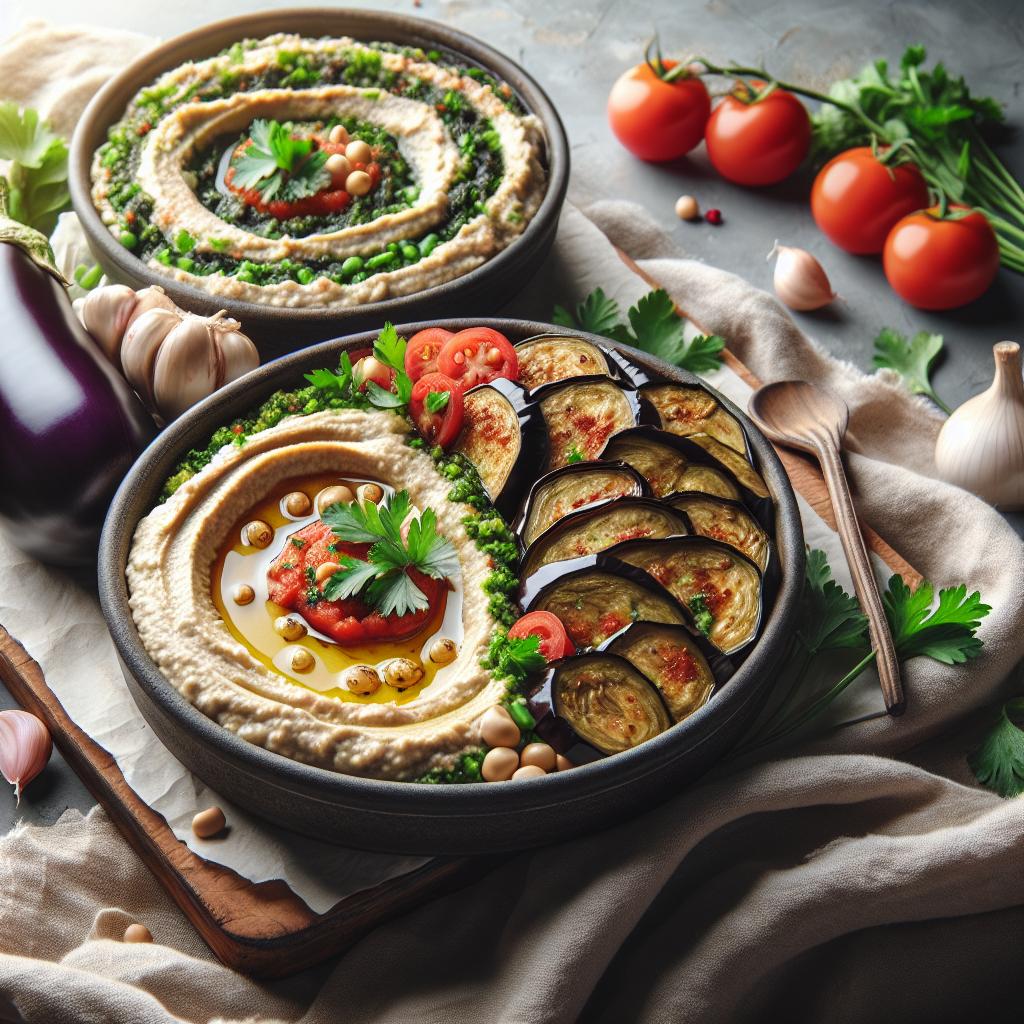

In the vibrant tapestry of Middle Eastern cuisine, few ingredients capture the imagination quite like the humble eggplant. From smoky whispers to creamy whispers, this versatile vegetable takes center stage in two beloved dishes: Baba Ghanoush and Mutabbal. While they may seem like kindred spirits at first glance, these eggplant wonders each tell their own flavorful story. Join us as we peel back the layers and unveil the subtle yet distinct elegance that sets Baba Ghanoush and Mutabbal apart-celebrating the art, history, and tastes that make each a culinary treasure in its own right.
Baba Ghanoush vs. Mutabbal: Unveiling Eggplant Elegance begins with a fascinating journey into the heart of Middle Eastern cuisine, where smoky, velvety eggplants take center stage. Both dishes share a common heritage, yet their distinctive preparation techniques and regional influences create unique flavor narratives worth exploring firsthand. This culinary exploration not only celebrates the subtle contrasts between Baba Ghanoush and Mutabbal but also unlocks how tradition and technique shape each bite.
Prep and Cook Time
- Preparation: 15 minutes
- Cooking: 30 minutes (including roasting time)
- Total Time: 45 minutes
Yield
Approximately 4 servings
Difficulty Level
Medium – requires patience roasting eggplants to perfect smokiness and blending to ideal texture
Baba Ghanoush vs. Mutabbal: Essential Ingredients
- 2 medium eggplants (choose firm, glossy-skinned for best roasting results)
- 3 cloves garlic, peeled and minced
- 3 tablespoons tahini (sesame seed paste)
- 2 tablespoons fresh lemon juice (about 1 lemon)
- 3 tablespoons extra virgin olive oil, plus extra for drizzling
- 1 teaspoon ground cumin (more for garnish optional)
- Salt to taste
- Fresh parsley for garnish, chopped
- Optional for Baba Ghanoush: 1 tablespoon pomegranate molasses or a pinch of smoked paprika to deepen flavor layers
Step-by-Step Instructions
- Roast the eggplants: Place whole eggplants directly on a gas burner flame or under a broiler, turning regularly until the skin chars black and the flesh is tender (about 20-25 minutes). This imparts the signature smoky aroma fundamental to both dishes.
- Cool and peel: Let eggplants cool for 10 minutes; then slice open and scoop out the flesh with a spoon, discarding the charred skin. Drain excess liquid by placing flesh in a fine mesh sieve or colander for 10 minutes to avoid watery dip.
- Prepare Baba Ghanoush base: In a bowl, combine eggplant flesh with lemon juice, minced garlic, olive oil, salt, and optional pomegranate molasses or smoked paprika. Mash coarsely using a fork or potato masher to retain a slightly chunky texture.
- Prepare Mutabbal base: In a blender or food processor, combine eggplant flesh, tahini, lemon juice, garlic, olive oil, cumin, and salt. Blend until smooth and creamy. Adjust seasoning to taste-tanini presence provides the rich nuttiness characteristic of Mutabbal.
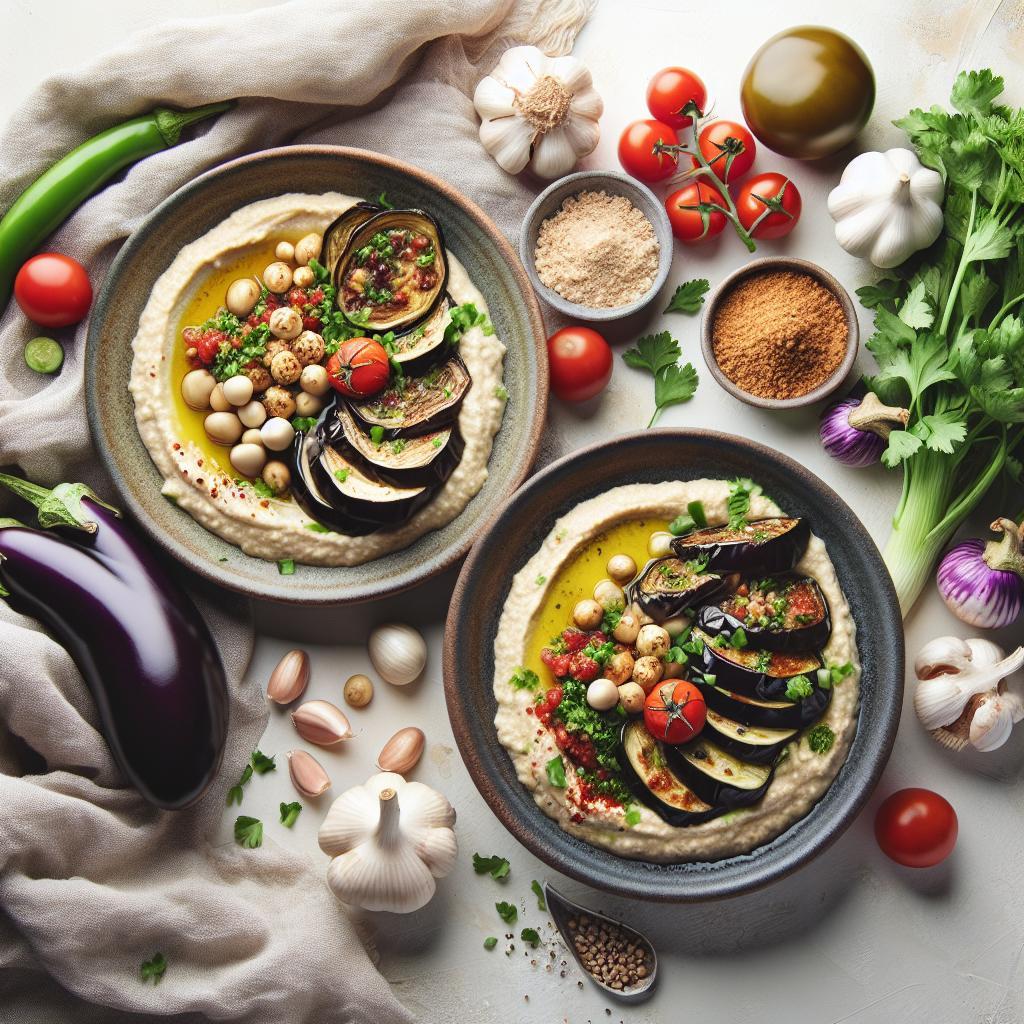
- Serve attractively: Spoon dips into shallow bowls, swizzling a pool of olive oil on top and sprinkling fresh parsley, ground cumin, or pomegranate arils for vibrant color contrast.
Chef’s Notes and Tips for Success
- Achieving perfect smokiness: For the most authentic flavor, char the eggplants over an open flame outdoors or use a cast-iron skillet with a lid to trap smoke in the kitchen.
- Texture tweaking: Baba Ghanoush benefits from a more rustic, slightly uneven mash that emphasizes smoky chunks, while Mutabbal is all about a sleek, creamy texture-blending time is key.
- Tahini swaps: If unavailable, substitute with sesame seeds toasted and ground with a splash of oil.
- Make-ahead advantage: Both dips’ flavors deepen when refrigerated overnight, making them excellent for meal prepping or entertaining.
- Common pitfalls: Avoid watery Baba Ghanoush by draining eggplant thoroughly, and don’t over-blend Mutabbal-stop once it’s creamy but not gluey.
Serving Suggestions and Pairing Tips
Serve these dips alongside warm, thin pita bread, crunchy vegetable crudités, or as part of a mezze spread featuring olives, feta cheese, and stuffed grape leaves. Baba Ghanoush’s pronounced smokiness pairs wonderfully with robust grilled meats and tangy pickles, while Mutabbal’s nutty creaminess complements fresh salads and light seafood dishes.
Visual appeal transforms the experience: garnish with vibrant pomegranate seeds for pops of red, a drizzle of golden olive oil shimmering on the surface, and sprigs of fresh herbs-any touch brings the rustic charm and elegance of eggplant to life on your table.
| Nutrient | Per Serving (Baba Ghanoush) | Per Serving (Mutabbal) |
|---|---|---|
| Calories | 90 kcal | 110 kcal |
| Protein | 2 g | 3 g |
| Carbohydrates | 7 g | 6 g |
| Fat | 6 g | 9 g |
For a deeper dive into complementary dishes to serve with your Baba Ghanoush and Mutabbal, explore our detailed Authentic Middle Eastern Mezze Guide. Enhance your culinary knowledge by visiting the renowned Encyclopedia Britannica’s article on Baba Ghanoush, a rich resource detailing its cultural significance.

Q&A
Q&A: Baba Ghanoush vs. Mutabbal – Unveiling Eggplant Elegance
Q1: What exactly are Baba Ghanoush and Mutabbal?
A1: Think of Baba Ghanoush and Mutabbal as two royal cousins hailing from the noble lineage of smoky, roasted eggplant dips. Both are creamy, luscious, and embody the Middle Eastern love for bold flavors, but each brings its own regal twist to the table.
Q2: How do Baba Ghanoush and Mutabbal differ at their smoky core?
A2: Baba Ghanoush is a tapestry of textures-chunky bits of roasted eggplant harmonize with tahini, garlic, lemon juice, and a hint of olive oil. Mutabbal, on the other hand, is smoother and silkier, leaning more heavily on tahini to create a velvety dip where smoked eggplant sings a mellow, harmonious note.
Q3: Is the preparation method for these two dips the same?
A3: Both begin their journey with the smoky allure of charred eggplant, usually roasted over an open flame or grilled to perfection. The difference arises post-roast: Baba Ghanoush is often roughly mashed and tossed with a medley of fresh ingredients, while Mutabbal is blended into a creamy concoction where tahini takes center stage.
Q4: Can the ingredients tell us who’s who on the plate?
A4: Absolutely! Baba Ghanoush is a salad-dip hybrid, frequently dressed with diced tomatoes, onions, and sometimes parsley, making it a vibrant ensemble of flavors and textures. Mutabbal keeps it minimalist-primarily eggplant, tahini, garlic, lemon juice, and salt-emphasizing richness and smoothness.
Q5: Are these dips interchangeable in recipes and serving occasions?
A5: While their smoky essence makes them siblings in culinary spirit, Baba Ghanoush’s chunkier, fresher vibe suits casual meze spreads and hearty sandwiches. Mutabbal’s creamy consistency lends itself beautifully to dipping crispy bread or drizzling atop grilled meats, offering a touch of elegance to any meal.
Q6: What cultural tales do Baba Ghanoush and Mutabbal carry in their flavors?
A6: These dips are vessels of the Levant’s rich culinary heritage, echoing stories of harvest, hospitality, and communal gatherings. Baba Ghanoush’s rustic charm captures the earthy warmth of village kitchens, while Mutabbal symbolizes a refined palate honed through centuries of culinary artistry.
Q7: How can one elevate their homemade Baba Ghanoush or Mutabbal?
A7: For Baba Ghanoush, play with fresh herbs, a sprinkle of sumac, or a drizzle of pomegranate molasses to add tang and color. Mutabbal invites a touch of ground cumin or a dash of smoked paprika to deepen its smoky allure. Above all, mastering that perfect char on the eggplant is the true secret to unlocking eggplant elegance.
Q8: In the grand tapestry of Middle Eastern cuisine, what makes these two dips stand out?
A8: Baba Ghanoush and Mutabbal are not just accompaniments; they are ambassadors of culture and taste. Their smoky, creamy magic bridges generations and borders, transforming humble eggplants into celebrated classics that celebrate tradition with every bite.
To Wrap It Up
As we close this flavorful journey through the smoky, creamy world of eggplant dips, it’s clear that both Baba Ghanoush and Mutabbal hold their own unique charm on the table of Middle Eastern cuisine. Whether it’s the rustic charm of Baba Ghanoush, with its textured bite and garlicky warmth, or the silky, tangy embrace of Mutabbal, infused with tahini’s nutty richness, each dip invites you to savor eggplant in its most elegant forms. So next time you cradle a warm pita, remember: you’re not just dipping into a dish-you’re tasting centuries of culture, tradition, and culinary artistry. In the delicate dance between Baba Ghanoush and Mutabbal, the true winner is always your palate.