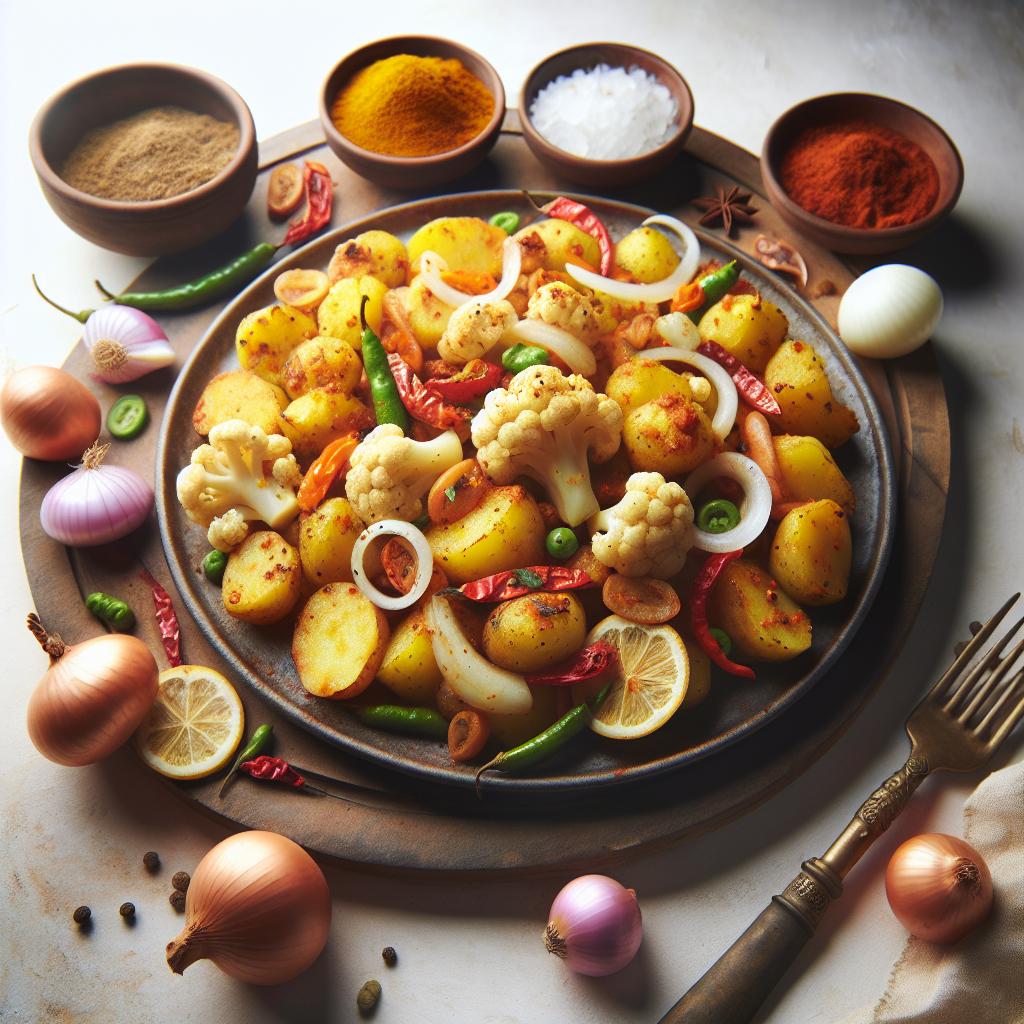

In the vibrant tapestry of Indian cuisine, few dishes capture the heart and soul of home-cooked comfort quite like Aloo Gobi Masala. This traditional dry curry, a harmonious blend of tender potatoes and cauliflower, is more than just a side dish-it’s a celebration of bold spices, fragrant herbs, and timeless cooking techniques. Whether you’re a seasoned cook or a curious food lover, mastering the art of dry Aloo Gobi Masala offers a flavorful journey into the essence of rustic Indian flavors. In this guide, we’ll uncover the secrets to achieving that perfect balance of texture, aroma, and spice, transforming simple ingredients into a dish that’s as rich in history as it is in taste. Get ready to embark on a culinary adventure that promises to elevate your kitchen repertoire and delight your palate with every bite.
Mastering Traditional Dry Aloo Gobi Masala begins with understanding its humble roots and the vibrant ingredients that celebrate North Indian flavors. This classic vegetarian dish, combining tender potatoes and cauliflower florets, is a staple on family dining tables, cherished for its balance of warmth, earthiness, and subtle spice. I recall the first time I cooked this in my grandmother’s kitchen-the aroma of fresh spices filling the air, coaxing laughter and stories around the table. Today, you can bring that same authentic experience to your home with just a few essential ingredients and mindful techniques.
Prep and Cook Time
- Preparation: 15 minutes
- Cooking: 30 minutes
- Total Time: 45 minutes
Yield
- Serves 4 people
Difficulty Level
- Medium
Ingredients
- 2 medium-sized potatoes, peeled and diced into 1-inch cubes
- 1 medium cauliflower, cut into small florets
- 3 tablespoons vegetable oil
- 1 teaspoon cumin seeds
- 1 large onion, finely chopped
- 2 medium tomatoes, pureed
- 1 tablespoon ginger-garlic paste
- 1 teaspoon turmeric powder
- 1 ½ teaspoons coriander powder
- 1 teaspoon cumin powder
- 1 teaspoon red chili powder, adjust to taste
- 1 teaspoon garam masala
- Salt, to taste
- 2 green chilies, slit (optional)
- Fresh cilantro leaves, chopped for garnish
Instructions
- Prepare the potatoes and cauliflower: Rinse the diced potatoes and cauliflower florets thoroughly. Blanch the cauliflower in boiling salted water for 3 minutes, then immediately transfer to ice-cold water to preserve the crunch and color.
- Heat the oil: In a heavy-bottomed pan, warm the vegetable oil over medium heat. Add cumin seeds and let them sizzle until fragrant, about 30 seconds.
- Sauté the onions: Add the finely chopped onions. Cook, stirring frequently, until they turn golden brown, roughly 8 minutes. This slow caramelization is key for a deep flavor base.
- Add ginger-garlic paste: Stir in the ginger-garlic paste and cook for 2 minutes until the raw smell dissipates.
- Incorporate spices: Blend in turmeric, coriander, cumin, and red chili powders. Stir continuously on low heat to toast the spices without burning, releasing their essential oils and aroma.
- Add tomato puree and salt: Pour in the pureed tomatoes and salt. Let this masala cook until the oil separates from the mixture, roughly 7-8 minutes. Stir occasionally to prevent sticking.
- Combine potatoes and cauliflower: Add the blanched cauliflower and diced potatoes to the pan. Toss gently to coat them evenly with the masala.
- Cook the vegetables: Cover the pan with a lid and cook on low heat for 15-20 minutes. Stir every 5 minutes to avoid burning and ensure even cooking. The goal is tender vegetables with a slightly crispy edge.
- Final seasoning: Sprinkle garam masala and mix gently. Add slit green chilies for an extra layer of heat if desired. Cook uncovered for another 5 minutes to dry out any excess moisture.
- Garnish and serve: Transfer to a serving dish and garnish with freshly chopped cilantro. Serve hot for the best flavor experience.
Tips for Success
- Use medium-starch potatoes like Yukon Gold-they hold their shape and absorb spices beautifully.
- Blanching cauliflower retains its crunch and prevents overcooking.
- Don’t rush sautéing onions; their golden hue enriches the dish’s depth.
- Adjust chili powder gradually; traditional recipes vary widely in heat intensity.
- For added depth, finish with a squeeze of fresh lemon juice or a sprinkle of chaat masala before serving.
- Make-ahead tip: Cook the masala base and store separately. Combine with freshly cooked vegetables when ready to serve for optimal freshness.
Serving Suggestions
Offer this dry aloo gobi masala alongside warm whole wheat chapatis or steamed basmati rice to soak up the aromatic masala. A dollop of cooling raita or a crisp cucumber salad with a sprinkle of chat masala perfectly counterbalances the warm spices. Garnish with chopped fresh cilantro and optional thinly sliced red onions for an inviting presentation. For special occasions, serve with a tangy pickle and a glass of refreshing buttermilk.
| Nutrient | Per Serving |
|---|---|
| Calories | 180 kcal |
| Protein | 4 g |
| Carbohydrates | 30 g |
| Fat | 7 g |

For those eager to expand their Indian culinary repertoire, check out our detailed guide on Perfect Paneer Tikka at Home. To deepen your understanding of spice profiles and health benefits, visit the Science Daily report on traditional Indian spices.
Q&A
Q&A: Mastering Traditional Dry Aloo Gobi Masala – A Flavorful Guide
Q1: What is Aloo Gobi Masala, and why is it so beloved?
Aloo Gobi Masala is a classic North Indian dish featuring tender potatoes (aloo) and cauliflower (gobi) cooked in a fragrant blend of spices. Its vibrant colors, comforting textures, and bold yet balanced flavors have made it a beloved staple in Indian households and restaurants alike.
Q2: How do you achieve the perfect texture in a dry Aloo Gobi?
The key lies in careful preparation and cooking techniques. Parboiling or roasting the potatoes and cauliflower first ensures they hold their shape and develop subtle caramelization. Cooking on medium heat with occasional stirring lets the spices meld without turning the dish mushy, preserving that signature dry, slightly crisp texture.
Q3: Which spices are essential for authentic Aloo Gobi Masala?
Traditional spices include turmeric for earthiness and color, cumin seeds for a nutty aroma, coriander powder for citrusy warmth, garam masala for layered complexity, and red chili powder for a gentle punch. Hing (asafoetida) and ginger-garlic paste elevate the dish with a distinct savory depth.
Q4: Can Aloo Gobi Masala be adapted for different dietary preferences?
Certainly! It’s naturally vegan and gluten-free. To make it keto-friendly, swap starchy potatoes for cauliflower florets only or introduce low-carb vegetables like zucchini alongside. Adjust spice levels according to taste to create a personalized masterpiece.
Q5: What are some expert tips for intensifying the flavor?
Roast your spices until fragrant before cooking, as toasting unlocks hidden oils and aromas. Use fresh ginger and garlic rather than powders. A sprinkle of amchur (dry mango powder) toward the end adds tangy brightness. Finally, resting the dish covered for a few minutes before serving allows flavors to harmonize beautifully.
Q6: How should Aloo Gobi Masala be served for maximum enjoyment?
Serve it piping hot with flaky chapatis, warm naan, or fragrant basmati rice. Accompany with cooling raita or a crisp salad to balance the spices. Leftovers taste even better the next day as the flavors deepen further.
Q7: Any cultural significance behind this dish?
Aloo Gobi Masala embodies the simplicity and resourcefulness of Indian home cooking. It transforms humble, everyday ingredients into something extraordinary, reflecting the rich tapestry of regional spices and traditions.
Ready to embark on your culinary journey? Master these flavor foundations, and your dry Aloo Gobi Masala will be a showstopper at your dinner table!
The Way Forward
As the fragrant spices settle and the vibrant hues of aloo and gobi come together in perfect harmony, you’ve unlocked more than just a recipe-you’ve embraced a culinary tradition steeped in history and flavor. Mastering traditional dry Aloo Gobi Masala is not merely about cooking; it’s about celebrating the art of layering spices, the joy of simple ingredients transformed, and the timeless bond between food and culture. So next time you stir that sizzling pan, remember: every sprinkle of masala, every toss of cauliflower and potatoes is a step closer to savoring a dish that’s as rich in taste as it is in heritage. Here’s to your flavorful journey ahead-may your kitchen always be filled with the comforting warmth of perfectly spiced Aloo Gobi Masala.