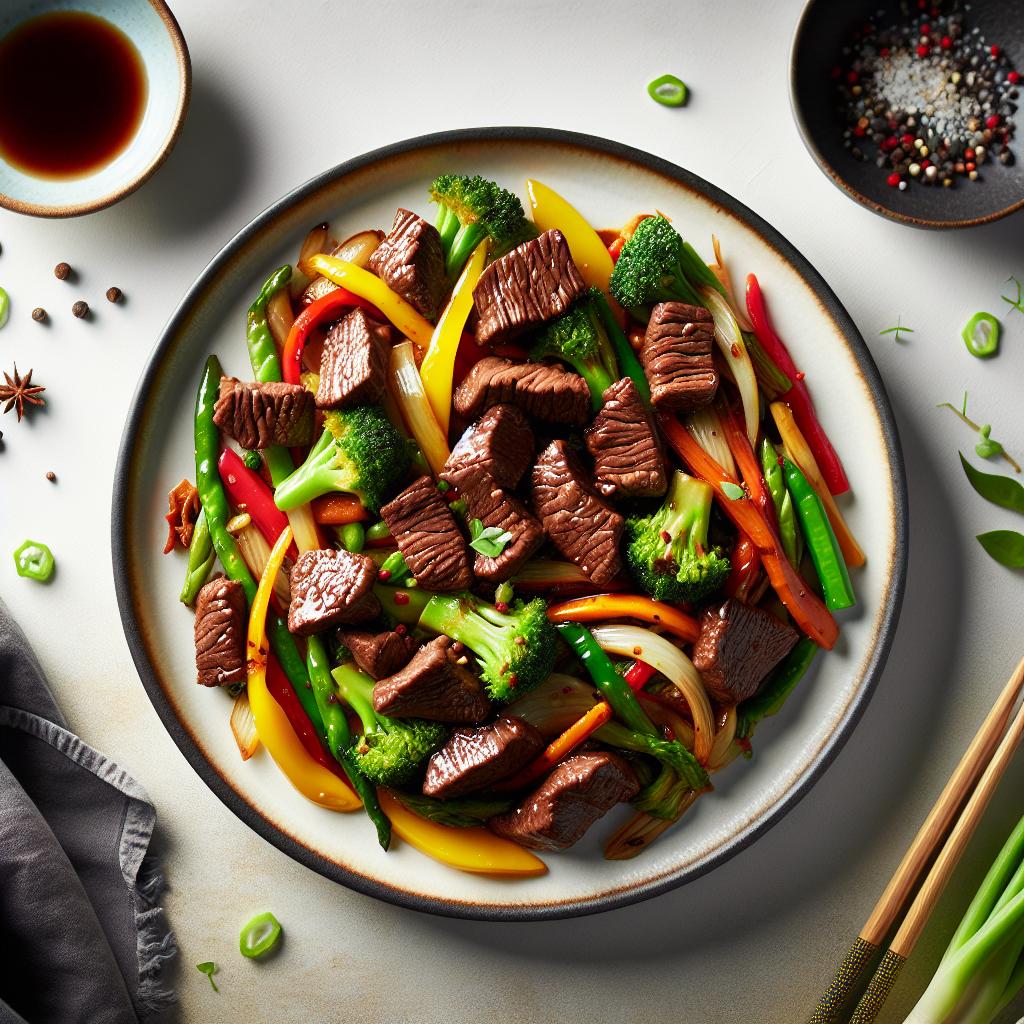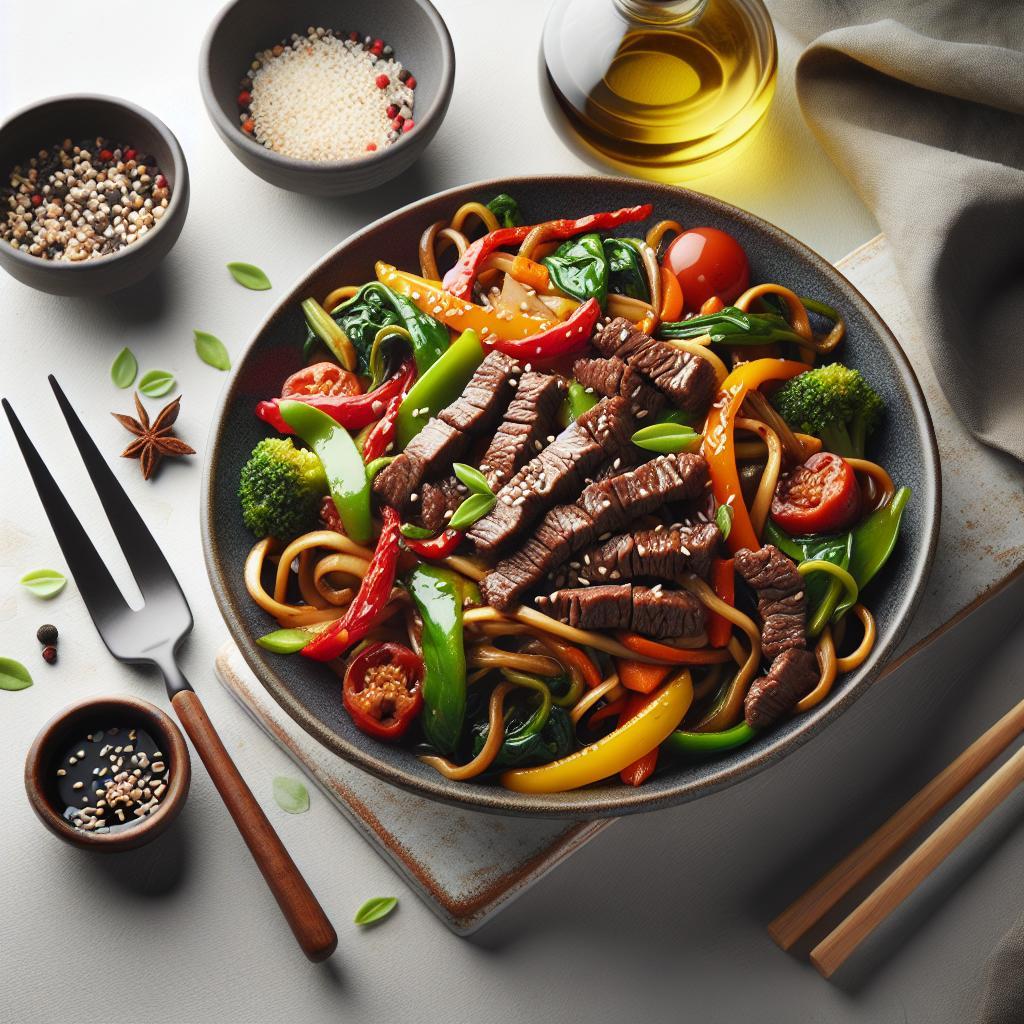

There’s something magical about a stir fry that hits every note just right: vibrant colors, bold flavors, and a texture that makes your taste buds sing. But achieving that elusive, melt-in-your-mouth tenderness in your beef? That’s where the art of velveting steps in. Mastering velvet beef is the secret weapon of seasoned chefs, transforming ordinary cuts into silky-smooth morsels that elevate your stir fry from good to unforgettable. In this article, we’ll unravel the mysteries behind velveting-what it is, why it works, and how you can harness this simple technique to unlock perfect texture and tenderness in every bite. Get ready to stir fry like a pro and impress at every meal!
Mastering Velvet Beef is the key to unlocking an irresistibly tender and silky texture in any stir fry. This technique, rooted in traditional Chinese culinary science, transforms everyday cuts of beef into a sumptuous, melt-in-your-mouth delight by harnessing the power of natural tenderizing agents.
Prep and Cook Time
Preparation: 20 minutes | Marinating: 30 minutes to 2 hours | Cooking: 5-7 minutes
Yield
Serves 4 generous portions
Difficulty Level
Medium – requires some attention to marinating and cooking timing, but easily mastered
Ingredients
- 300g beef sirloin or flank steak, thinly sliced against the grain
- 1 egg white, lightly beaten
- 1 tablespoon cornstarch
- 1 tablespoon Shaoxing wine (or dry sherry)
- 1 teaspoon baking soda (optional for extra tenderness)
- 1 teaspoon soy sauce
- 1 teaspoon sesame oil
- Pinch of salt and white pepper
- 2 tablespoons vegetable oil for stir-frying
Understanding the Science Behind Velvet Beef and Its Tenderizing Agents
The secret to silky beef lies in the unique marinade that forms a delicate coating over the meat. The egg white creates a gentle barrier that locks in moisture, while cornstarch thickens this protective layer. Shaoxing wine acts as a mild enzyme activator, subtly breaking down muscle fibers, and, if used, baking soda increases the pH to loosen tough proteins quickly. These elements together reshape the beef’s texture, converting it from chewy to velvety soft without compromising flavor.
Selecting the Ideal Cut and Preparing Beef for Ultimate Softness
For the fullest velvet beef experience, choose cuts with good marbling but moderate toughness, such as flank steak or sirloin. Slice across the grain into thin strips, roughly 1/4 inch thick, to interrupt muscle fibers and maximize tenderness. Ensure even slices for uniform cooking and marinade absorption.
Step by Step Velvet Beef Marinade Techniques for Consistent Results
- Prepare the beef slices: Pat dry with paper towels for better marinade adherence.
- Mix the marinade: In a bowl, combine egg white, cornstarch, Shaoxing wine, soy sauce, sesame oil, baking soda (if using), salt, and white pepper until smooth.
- Add the beef: Toss the strips gently in the marinade until each piece is thoroughly coated.
- Rest: Allow the beef to marinate for 30 minutes at room temperature, or up to 2 hours refrigerated for deeper tenderizing.
Cooking Tips to Preserve Texture and Maximize Flavor in Stir Fry
- Preheat a wok or heavy skillet over high heat: Add vegetable oil and swirl to coat evenly.
- Cook in small batches: Quickly stir-fry beef strips for 2-3 minutes until just browned but still juicy. Avoid overcrowding to prevent steaming.
- Remove beef promptly: Transfer to a warm plate to rest while preparing vegetables or sauces.
- Finish with sauce and vegetables: Stir-fry veggies briefly and incorporate beef back in to meld flavors.
- Serve immediately: Garnish with fresh scallions or toasted sesame seeds for a vibrant presentation.
Chef’s Notes
- Marinade timing: For the best balance of tenderness and flavor, avoid marinating beyond 4 hours as the meat can become mushy.
- Substitutions: If avoiding egg whites, a plant-based protein such as aquafaba can mimic the velveting effect.
- Texture troubleshooting: If beef turns out too soft, reduce baking soda or shorten marinating time.
- Make-ahead: Marinated beef can be refrigerated for up to 24 hours; just bring to room temperature before cooking.
Serving Suggestions
This velvet beef shines when paired with aromatic jasmine or basmati rice and a crisp vegetable stir fry featuring bell peppers, sugar snap peas, and fresh ginger. Garnish with thinly sliced spring onions and a drizzle of chili oil to elevate both texture and taste. For an authentic touch, serve alongside a dipping sauce of soy, rice vinegar, and a hint of honey.

| Nutrient | Per Serving |
|---|---|
| Calories | 280 kcal |
| Protein | 32g |
| Carbohydrates | 5g |
| Fat | 12g |
For an in-depth study of traditional meat tenderizing agents, consider this scientific review on meat protein modification. Also, check out our related article on Perfect Stir Fry Techniques for more pro tips on elevating your wok game.
Q&A
Q&A: Mastering Velvet Beef – The Secret to Perfect Stir Fry Texture
Q1: What exactly is “velvet beef” and why is it crucial for stir fry?
A: Velvet beef is a culinary technique where beef slices are marinated and coated with a mixture-usually including cornstarch, egg white, and sometimes rice wine or soy sauce-before briefly blanching or flash-cooking them in oil or water. This method creates a silky, tender texture that seals in juices and prevents the beef from turning tough or rubbery during stir frying. It’s the secret behind that melt-in-your-mouth sensation in high-end Chinese cuisine.
Q2: Can I use any cut of beef for velveting?
A: While many cuts can be velveted, tender cuts like flank steak, sirloin, or ribeye work best due to their flavor and texture. Velvet beef technique is particularly forgiving and can transform less tender cuts into deliciously supple morsels, but choosing the right cut helps maximize tenderness and flavor in your stir fry.
Q3: What are the key ingredients in the velveting marinade?
A: The classic velveting marinade typically combines egg white, cornstarch, a splash of Shaoxing wine or dry sherry, and a pinch of salt. Sometimes a little baking soda is added to help tenderize the meat even further. These ingredients work synergistically to coat the beef, hold in moisture, and create that signature velvet texture once cooked.
Q4: How long should I marinate the beef for optimal velveting?
A: Ideally, marinate the beef for at least 30 minutes. This gives the cornstarch and egg white time to form their protective layer. However, you can refrigerate it for up to 2 hours if preparing ahead. Avoid over-marinating, especially if baking soda is used, as it can affect the flavor and texture negatively.
Q5: What’s the best cooking method for velveted beef before stir frying with vegetables?
A: Once marinated, the beef is briefly cooked in either hot oil or boiling water for about 30-60 seconds until it’s just pale and slightly firm but not fully cooked through. This “pre-cooking” step, known as blanching or flash-frying, sets the velvet coating and locks in moisture. The beef is then quickly stir fried with vegetables and sauces at high heat to finish cooking perfectly.
Q6: Can velveting be done without egg whites for those with allergies or dietary preferences?
A: Absolutely! Egg whites help bind the cornstarch and contribute to texture, but you can substitute with alternatives like aquafaba (chickpea water), plant-based binding agents, or simply increase the cornstarch slightly. The key is creating that delicate coating around beef pieces that seals in moisture.
Q7: What common mistakes should I avoid when velveting beef?
A: Avoid over-marinating, using too much baking soda, overcooking the velveted beef in the blanching step, or skipping the quick pre-cooking altogether. Also, using thick or uneven slices can lead to inconsistent texture. Thin, uniform slices help achieve even velvet perfection.
Q8: How does velveting affect the overall stir fry experience?
A: Velveted beef elevates a simple stir fry by delivering tender, juicy beef that contrasts beautifully with crisp, vibrant vegetables. The technique transforms texture from ordinary to outstanding-each bite smooth, flavorful, and delectably addictive.
Q9: Is velveting only applicable to beef?
A: Not at all! Velveting can be adapted to chicken, pork, shrimp, and even tofu. The principle remains the same-creating a protective coating that locks in moisture and yields a delightfully tender bite, perfect for quick, high-heat stir frying.
Q10: Where can I start if I want to master velveting at home?
A: Begin with simple recipes focusing solely on velveting beef slices and stir-frying with a light sauce, like ginger-garlic soy. Practice slicing beef thinly and consistently, experiment with marinating times, and perfect the blanching step. Soon, you’ll unlock restaurant-quality textures right in your own kitchen!
Key Takeaways
As you embark on your next stir fry adventure, remember that mastering velvet beef is more than a technique-it’s a culinary revelation. This secret to achieving that tender, silky texture elevates each bite, turning a simple dish into a restaurant-worthy masterpiece. With patience, practice, and these velvet secrets in hand, your stir fries will transform from ordinary to extraordinary, delighting palates and inviting endless experimentation. So, tie on your apron, embrace the art of velvet beef, and savor the perfect harmony of texture and flavor in every stir fry you create.