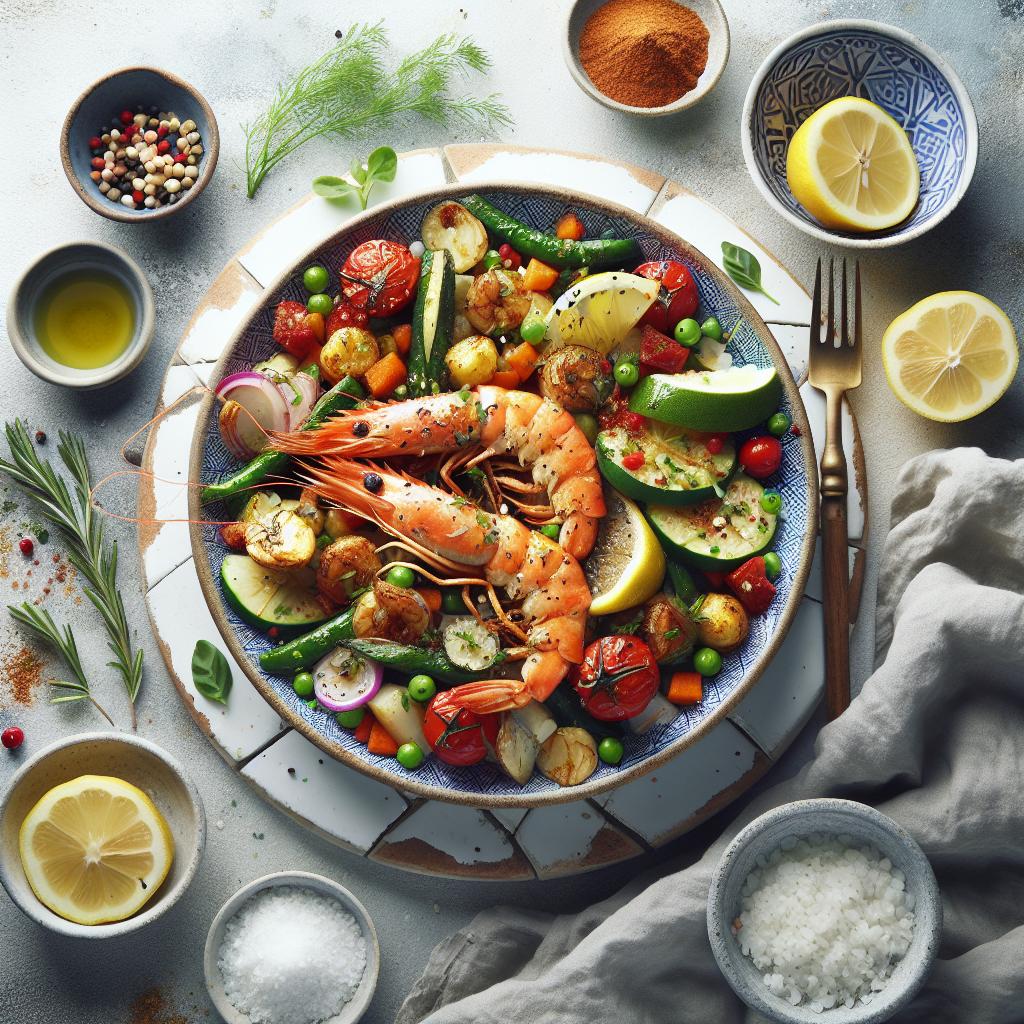

Nestled where the vast Atlantic Ocean meets the vibrant shores of North Africa, coastal Morocco is a treasure trove of culinary wonders waiting to be discovered. Here, the salty breeze carries more than just the scent of the sea-it carries centuries of tradition, culture, and an unrivaled passion for seafood. From bustling fish markets brimming with the day’s freshest catch to sizzling grills lining the shore, every bite tells a story of the ocean’s bounty and the hands that prepare it. Join us as we embark on a flavorful journey along Morocco’s enchanting coastline, diving deep into the rich tapestry of fish and seafood delights that define this coastal paradise.
Classic Chermoula-Grilled Sea Bass: A Taste of Moroccan Coastal Magic
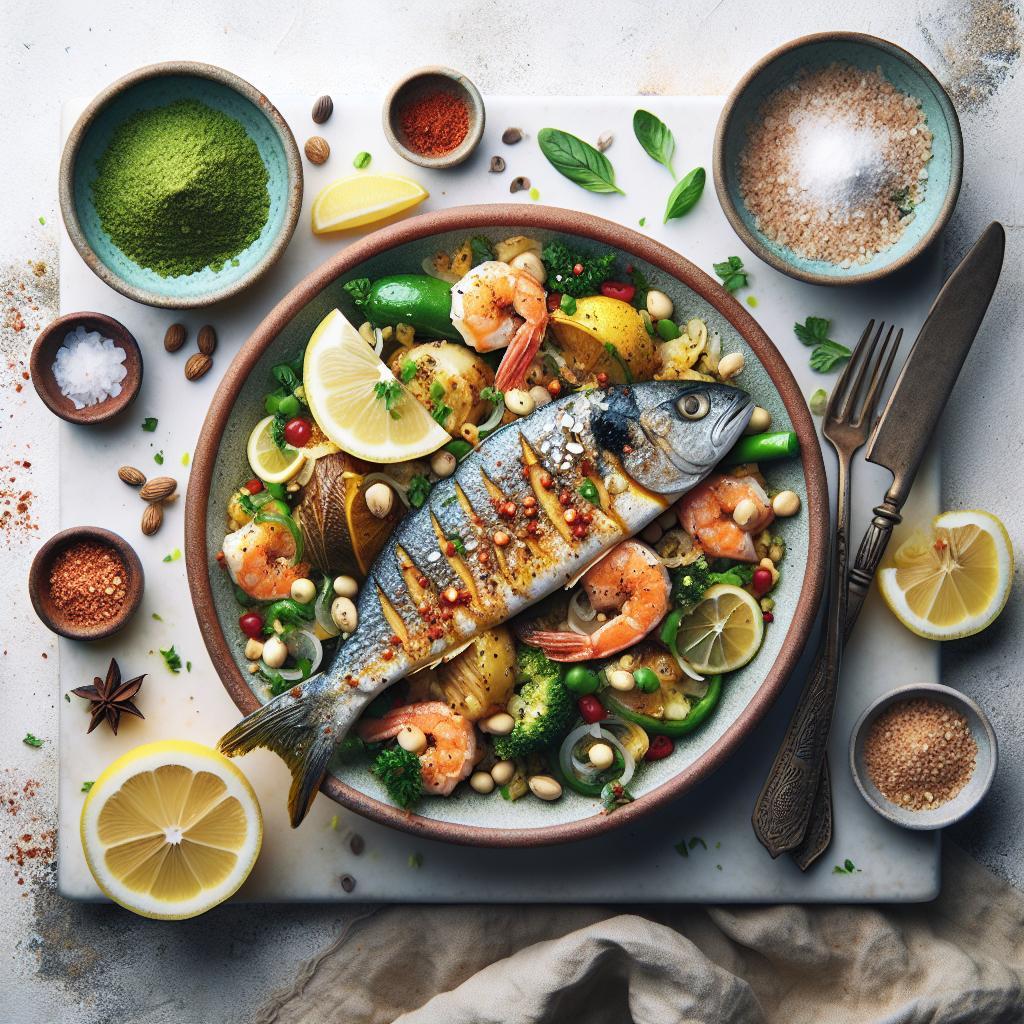
Savoring Coastal Morocco through its aromatic spices and fresh catches is an unforgettable culinary journey. One dish that encapsulates this enchanting experience is the Chermoula-Grilled Sea Bass, a traditional favorite from the shores of Essaouira and Tangier. This recipe, blending vibrant herbaceous chermoula with impeccably fresh sea bass, elevates Moroccan seafood into a sensory celebration, marrying ancient techniques with modern flair. From the sizzling grill to the fragrant plate, this dish is a tribute to Morocco’s rich marine bounty and coastal heritage.
Prep and Cook Time
Preparation: 20 minutes | Marination: 1 hour | Cooking: 15 minutes | Total: 1 hour 35 minutes
Yield
Serves 4
Difficulty Level
Medium
Ingredients
- 4 whole sea bass (about 1.5 pounds each), scaled and cleaned
- 1 cup fresh cilantro, chopped
- 1 cup fresh parsley, chopped
- 4 garlic cloves, minced
- 2 teaspoons ground cumin
- 1 teaspoon smoked paprika
- 1 teaspoon ground coriander
- 1/2 teaspoon cayenne pepper (adjust to taste)
- 1/2 cup olive oil (plus extra for brushing)
- Juice of 2 lemons
- Salt and freshly ground black pepper to taste
- 2 tablespoons white vinegar
- Optional for garnish: thinly sliced preserved lemons and lemon wedges
Instructions
- Prepare the chermoula marinade: In a bowl, combine chopped cilantro, parsley, minced garlic, cumin, smoked paprika, coriander, cayenne, olive oil, lemon juice, white vinegar, salt, and pepper. Mix thoroughly until it forms a vibrant, aromatic paste.
- Marinate the sea bass: Score the skin of each fish with shallow diagonal cuts. Rub the chermoula generously inside the cavity and all over the skin. Cover and refrigerate for at least 1 hour to let the flavors deeply infuse.
- Preheat the grill: Prepare a medium-high heat grill or grill pan, brushing the surface lightly with olive oil to prevent sticking.
- Grill the fish: Place each sea bass on the hot grill. Cook for about 7-8 minutes per side, turning carefully until the skin is crisp and the flesh is opaque and flakes easily with a fork. Avoid overcooking by testing with a fork near the bone.
- Rest and serve: Transfer the grilled fish to a serving platter. Let it rest for a few minutes before garnishing with thin slices of preserved lemon and fresh lemon wedges for an authentic Moroccan touch.
Chef’s Notes
- Freshness is key: Always select the freshest whole sea bass available for the best taste and texture.
- Make your chermoula ahead: This herbaceous marinade can be prepared a day in advance to deepen the flavors; store it in the refrigerator.
- Wood-fired grill bonus: If possible, use a wood-fired grill to impart an authentic smoky aroma reminiscent of Moroccan seaside fish markets.
- Substitutions: Snapper or branzino work well if sea bass is unavailable.
- Serving alternatives: For an indoor option, this recipe also adapts beautifully to a broiler or grill pan.
- Preserved lemons: These can be found in specialty stores or made at home by fermenting lemon wedges in salt for several weeks.
Serving Suggestions
Present the chermoula-grilled sea bass alongside fluffy couscous studded with toasted almonds and raisins, or a light zaalouk (Moroccan eggplant and tomato salad). Garnish the plate with fresh herb sprigs and a drizzle of extra virgin olive oil. For a vibrant contrast, add a side of crunchy radish and carrot slaw tossed in a cumin-lime dressing. This not only complements the smoky, spiced fish but also provides a refreshing balance to the meal.

| Nutrient | Per Serving |
|---|---|
| Calories | 420 kcal |
| Protein | 45 g |
| Carbohydrates | 4 g |
| Fat | 25 g |
Embarking on this recipe connects you to the vibrant flavors and cultural tapestry found along Morocco’s coast. For those fascinated by regional Moroccan ingredients and dishes, explore our comprehensive guide to Moroccan couscous to enhance your culinary repertoire. Learn more about Morocco’s rich seafood traditions from authoritative insights at Morocco Tourism Board.
Q&A
Q&A: Savoring Coastal Morocco – A Dive into Fish & Seafood Delights
Q1: What makes Morocco’s coastal cuisine unique compared to other Mediterranean seafood traditions?
A1: Morocco’s coastal cuisine is a vibrant fusion of Mediterranean, Atlantic, and North African influences, enriched by aromatic spices like saffron, cumin, and preserved lemons. The seafood isn’t just fresh-it’s often caught daily from both the Atlantic and Mediterranean shores, creating a dynamic palette of flavors that blend the sea’s bounty with Morocco’s rich culinary heritage.
Q2: Which fish and seafood varieties are staples in Moroccan coastal dishes?
A2: Along Morocco’s extensive coastline, staples include sardines, sea bass, mackerel, octopus, squid, and shrimp. Sardines, in particular, hold a special place-both as an affordable daily catch and as the centerpiece of traditional dishes bursting with bold spices and herbs.
Q3: What are some iconic Moroccan seafood dishes travelers should try?
A3: Don’t miss Chermoula-marinated grilled fish, where a zesty blend of coriander, garlic, and lemon transforms simple fish into a flavor explosion. Another gem is Tangier-style seafood stew-a luscious mélange of fish, shellfish, tomatoes, and preserved lemon. And for street food lovers, grilled sardine sandwiches packed with fresh herbs and a touch of harissa offer an unbeatable coastal snack.
Q4: How does the local market culture influence Morocco’s seafood dining experience?
A4: Moroccan coastal markets are living theaters of tradition-fishermen arrive at dawn with fresh catches, and vendors expertly select the best seafood while engaging in lively bargaining. These bustling souks not only guarantee freshness but also invite visitors to witness the vibrant community spirit behind every meal, making seafood dining an immersive cultural experience.
Q5: Are there any unusual or lesser-known seafood preparations unique to Morocco?
A5: Absolutely! One fascinating dish is Bissara with seafood-a twist on the traditional fava bean mash, enriched with tender pieces of fish or squid. Another highlight is smoked sardines, a technique rooted in coastal villages that imparts a smoky depth rarely found in mainstream seafood recipes.
Q6: What role does sustainability play in Morocco’s coastal fisheries?
A6: Morocco is increasingly embracing sustainable fishing practices, balancing its rich marine resources with environmental responsibility. Artisanal fishermen often use traditional methods that minimize bycatch and ensure fish populations remain abundant. This respect for the sea helps preserve both the flavors and the livelihoods tied to Morocco’s coastal communities.
Q7: Can visitors participate in seafood cooking classes or culinary tours in coastal Morocco?
A7: Yes! Several coastal towns like Essaouira, Agadir, and Casablanca offer immersive cooking classes where visitors can learn to prepare classic Moroccan seafood dishes under the guidance of local chefs. Culinary tours often include visits to fish markets, hands-on cooking sessions, and tastings that reveal the secrets behind Morocco’s coastal culinary magic.
Q8: How does Morocco’s climate and geography affect its seafood offerings?
A8: Morocco’s varied coastline stretches over 1,800 kilometers, with the cold Canary Current in the Atlantic fostering nutrient-rich waters ideal for diverse marine life. Meanwhile, the warmer Mediterranean coast offers different species and flavors. This geographic diversity ensures a wide array of seafood options year-round, each with unique textures and tastes influenced by local waters.
Whether savoring a smoky grilled sardine by an ocean breeze or diving into a spicy seafood tagine bubbling with tradition, Morocco’s coastal cuisine invites you to explore the sea’s treasures with every bite.
Concluding Remarks
As the sun sets over the sparkling waves of Morocco’s storied coastlines, the flavors of the sea linger like a whispered secret-inviting you to return time and again. From the bustling fish markets to the humble seaside kitchens where traditions are stirred into every pot, coastal Morocco offers a vibrant tapestry of tastes that celebrate the ocean’s bounty. Whether it’s the delicate sweetness of freshly grilled sardines or the rich, aromatic depths of a seafood tagine, each bite tells a story of heritage, culture, and boundless culinary passion. So next time your wanderlust calls, remember that savoring Morocco’s coastal fish and seafood delights is not just a meal-it’s an unforgettable journey into the heart of the Atlantic and Mediterranean shores. Dive in, and let your palate set sail.