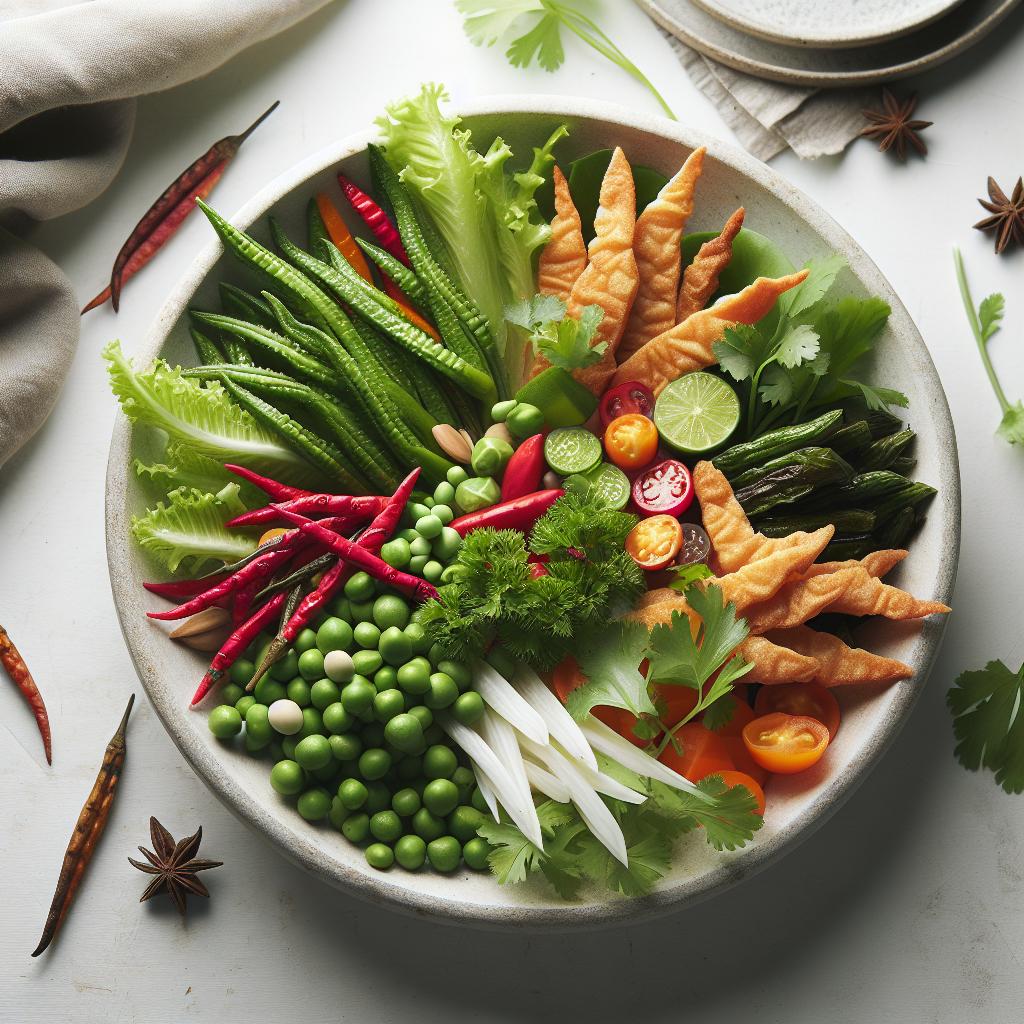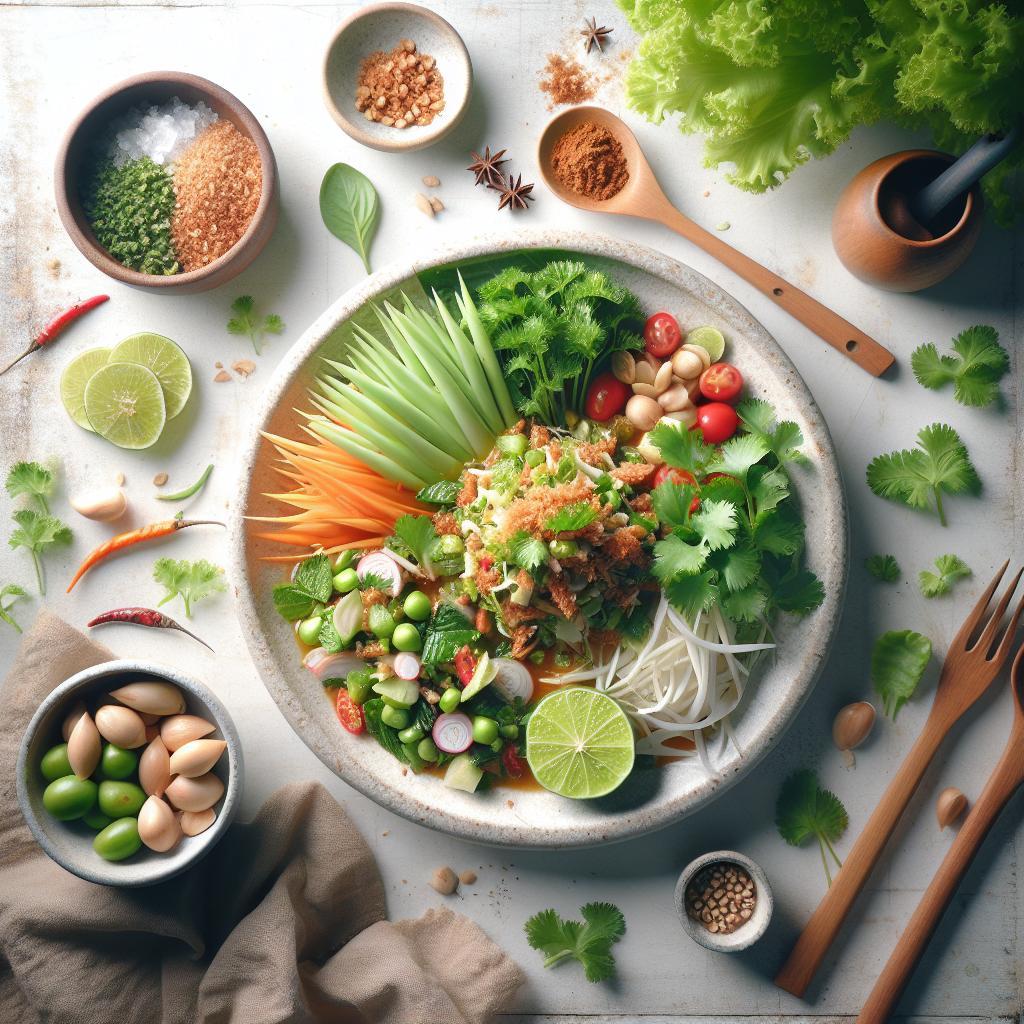

In the vibrant tapestry of global herbs, few bring as intriguing a twist to familiar flavors as Sawtooth Coriander. Often whispered about in culinary circles as the enigmatic cousin of the well-loved pak chi farang, this herb weaves a complex, citrusy aroma with a subtle hint of spice, transforming ordinary dishes into memorable feasts. More than just a garnish, Sawtooth Coriander offers a flavorful passport to new taste adventures, inviting chefs and food lovers alike to explore the exciting nuances hidden within its jagged leaves. Join us as we unravel the story behind this captivating herb and discover how it revitalizes palates with the flavorful twist of pak chi farang.
Origins and Botanical Charm of Sawtooth Coriander
Sawtooth coriander, a standout herb beloved in Southeast Asian kitchens, carries a fascinating history and botanical allure. Native to regions of Thailand and surrounding countries, this vibrant green leaf earned its nickname “Pak Chi Farang” – translating to “Western cilantro” – due to its unique resemblance yet sharper, fruitier fragrance compared to common coriander. This hardy perennial thrives in tropical climates, with jagged saw-toothed edges that give it an unmistakable silhouette and a slightly citrusy, peppery aroma. Its botanical allure extends beyond looks, reflecting its essential presence in traditional dishes and herbal remedies alike, captivating chefs and gardeners around the globe.
Distinctive Flavor Profile and Culinary Uses
Sawtooth coriander bursts with a bold, zesty essence that sets it apart from its familiar cilantro cousin. The herb’s flavor is a bright medley of lemony zing, mild anise, and a hint of earthiness – a combination that enlivens salads, soups, and marinades with remarkable freshness. In many Thai and Laotian recipes, it is used both fresh and lightly cooked, adding depth to dishes like grilled meats, herbal stews, and spicy dips. Its vibrant leaves also lend an exotic twist to Western fare, boldly elevating salsas, pesto, and even cocktails. When paired with ingredients like lime, garlic, or chili, sawtooth coriander truly sings, delivering a complex yet approachable flavor experience.
Healthful Benefits Backed by Traditional Practices
Rooted in centuries-old herbal traditions, sawtooth coriander is celebrated not only for its culinary charm but also for its healthful properties. Traditional practitioners have long used the herb to aid digestion, reduce inflammation, and promote detoxification. Enriched with antioxidants and essential oils, it is thought to support immune function and soothe digestive discomfort. Modern nutritional studies affirm these benefits, revealing anti-bacterial and anti-fungal qualities that make sawtooth coriander a valuable natural ally. Incorporating this herb into your daily meals harnesses both its flavor and its time-honored wellness legacy.
Tips for Growing and Cooking with Sawtooth Coriander
Growing sawtooth coriander in your garden or a sunny windowsill is a rewarding experience. The plant thrives in well-draining soil with moderate watering and partial to full sunlight. Because it prefers humid, tropical climates, occasional misting can boost its vigor. Harvesting leaves regularly encourages fresh growth and prevents bolting. For cooking, always pick the young, tender leaves to avoid bitterness. Wash gently and pat dry before use to retain its bright herbal notes. When cooking, add sawtooth coriander near the end of preparation to preserve its lively flavor, or use it fresh as a garnish for maximum impact.
Prep and Cook Time
- Preparation: 10 minutes
- Cooking Time: 15 minutes
Yield
Serves 4 as a fresh herb accompaniment or side dish
Difficulty Level
Easy – perfect for beginners and seasoned cooks alike
Ingredients
- 1 cup fresh sawtooth coriander leaves, washed and loosely packed
- 2 tablespoons olive oil or toasted sesame oil
- 1 small clove garlic, minced
- 1 teaspoon fresh lime juice
- 1 small red chili, finely chopped (optional for heat)
- ½ teaspoon sea salt
- 1 tablespoon toasted sesame seeds or crushed peanuts (for garnish)
Instructions
- Prepare the aromatic base: Warm the olive or sesame oil in a skillet over medium heat. Add the minced garlic and sauté until fragrant and golden, about 1-2 minutes. Avoid burning for a sweet, subtle flavor.
- Add chili for warmth: Toss in the finely chopped red chili and sauté briefly, about 30 seconds, to infuse the oil without overpowering the herb’s brightness.
- Incorporate sawtooth coriander: Reduce the heat to low and add the fresh sawtooth coriander leaves. Gently toss them in the flavored oil until just wilted, about 1-2 minutes, preserving their vivid green hue and delicate texture.
- Season and enhance: Remove from heat, stir in the fresh lime juice and sea salt, balancing the herbaceous sharpness with citrus warmth and seasoning.
- Garnish and serve: Transfer to a serving dish and sprinkle with toasted sesame seeds or crushed peanuts for added crunch and earthy contrast.
Chef’s Notes
- For a vegan twist, swap sesame oil with coconut or avocado oil to add a subtle sweet or nutty personality.
- Avoid high heat when cooking the herb to retain its essential flavor and vibrant color.
- Make-ahead tip: dress the sawtooth coriander just before serving to avoid soggy leaves.
- Experiment by mixing sawtooth coriander with other greens like mint or Thai basil for a layered herb salad.
Serving Suggestions
This lively sawtooth coriander dish pairs beautifully with grilled chicken, steamed fish, or rice noodles. Use it as a zesty side herb salad alongside spicy curries or as a refreshing topping for tacos and wraps. Garnish bowls with a wedge of lime and a sprinkle of crushed peanuts for an irresistible presentation that stimulates both sight and palate.
| Nutrient | Amount per Serving |
|---|---|
| Calories | 40 kcal |
| Protein | 1 g |
| Carbohydrates | 4 g |
| Fat | 3 g |
Explore more about growing herbs at home to complement your collection of fresh flavors. For botanical insights and health research on herbs, visit the NCBI database.

Q&A
Q&A: Sawtooth Coriander – The Flavorful Twist of Pak Chi Farang
Q1: What exactly is Sawtooth Coriander?
A1: Sawtooth coriander, also known as Pak Chi Farang in Thailand, is a unique herb that belongs to the coriander family but boasts a distinctively sharp and citrusy flavor. Unlike the typical flat-leaf coriander, this plant features serrated, jagged leaves that give it its “sawtooth” name and add a delightful twist to dishes.
Q2: How does Sawtooth Coriander differ from regular coriander?
A2: While both herbs share a similar aromatic profile, sawtooth coriander tends to have a more intense, lemony zest with subtle herbal notes. Its leaves are more textured and serrated, offering a different visual appeal and mouthfeel. This makes it perfect for those seeking a brighter, more pungent alternative to the familiar coriander.
Q3: Why is it called Pak Chi Farang?
A3: “Pak Chi” means coriander in Thai, while “Farang” translates to foreigner or Western. The name Pak Chi Farang reflects the herb’s exotic appeal and hints at its popularity as a special twist on traditional coriander in Thai cuisine – thought of as the “foreigner’s coriander” because of its unique flavor and appearance.
Q4: What are the culinary uses of Sawtooth Coriander?
A4: Sawtooth coriander is incredibly versatile. It shines in salads, soups, and fresh spring rolls, imparting a bright, zesty punch. Chefs often use it as a finishing herb or garnish, or blend it into sauces and marinades for an exciting citrus-herbal complexity. It pairs beautifully with seafood, grilled meats, and even spicy Thai dishes.
Q5: Can Sawtooth Coriander be grown at home?
A5: Absolutely! Sawtooth coriander thrives in warm climates and well-drained soil. It prefers sunlight but can tolerate partial shade. Growing it is a rewarding venture for herb enthusiasts eager to explore new flavors – plus, its jagged leaves add an ornamental touch to any herb garden.
Q6: Are there any health benefits associated with Sawtooth Coriander?
A6: Yes, much like its cousin coriander, sawtooth coriander is rich in antioxidants, vitamins, and digestive enzymes. It’s believed to aid digestion, freshen breath, and support overall wellness. Its bright flavor can also help reduce the need for added salt in cooking, making dishes both tastier and healthier.
Q7: How can someone unfamiliar with Sawtooth Coriander incorporate it into their cooking?
A7: Start small! Use it in place of regular coriander in your favorite recipes-perhaps tossed fresh in salads or folded into omelets. Its vibrant aroma can also enhance chutneys, pestos, and homemade dressings. Once you get accustomed to its zingy character, get creative by blending it with other herbs for a custom flavor explosion.
Sawtooth coriander is more than an intriguing herb-it’s a flavorful twist that encourages cooks to rethink how herbs can elevate their culinary creations. Give Pak Chi Farang a try and watch your dishes come alive with a refreshing citrus-herbal kick.
To Conclude
In the vibrant world of herbs, Sawtooth Coriander stands out as an enchanting twist on the familiar Pak Chi Farang, inviting adventurous palates to explore its uniquely citrusy, slightly spicy notes. More than just a garnish, this aromatic herb weaves a tapestry of flavors that elevate dishes from mundane to extraordinary, proving that even the smallest leaf can hold a world of culinary possibility. Whether you’re a seasoned chef or a curious foodie, embracing Sawtooth Coriander promises a fresh chapter in your flavor journey-one where tradition meets innovation in every bite. So next time you seek to brighten your plate, let this vibrant herb be your secret ingredient, unlocking new dimensions of taste and aroma that linger long after the meal ends.