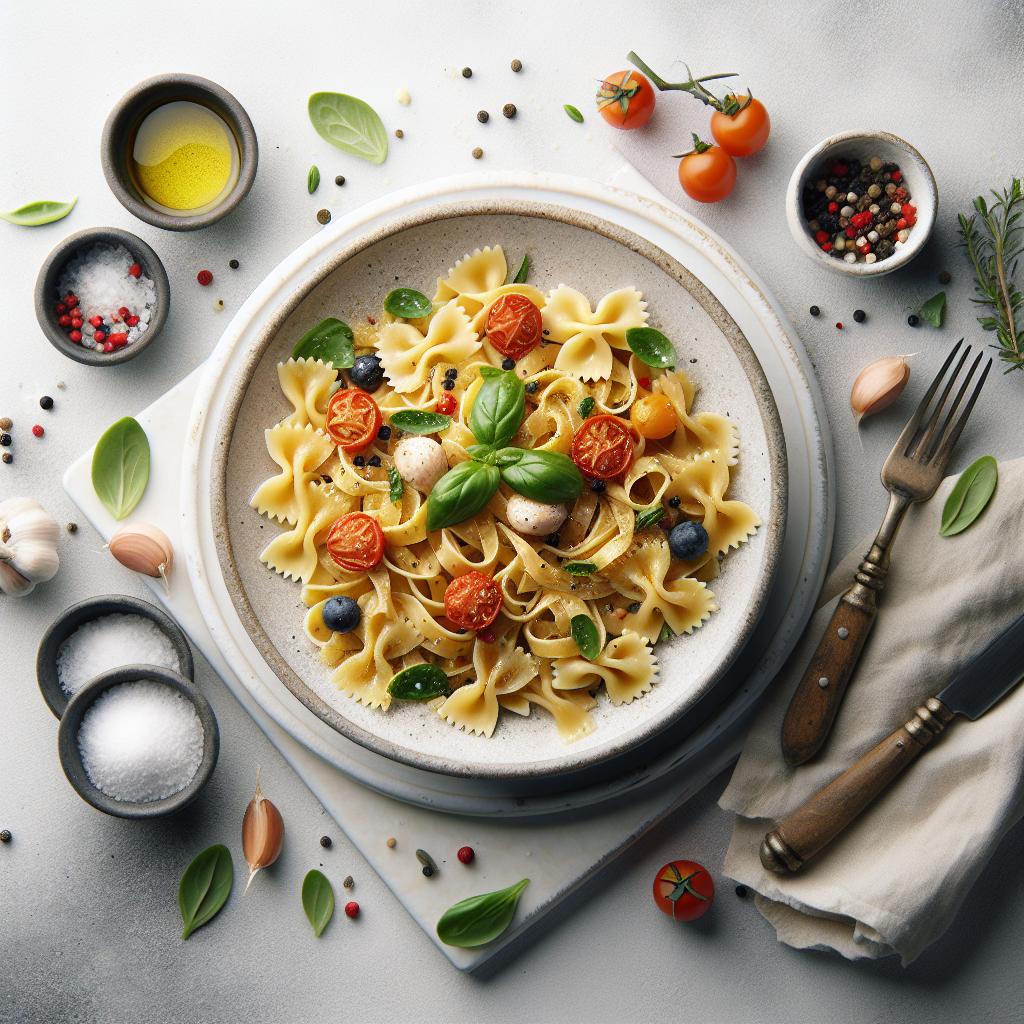

There’s a simple magic trick that transforms ordinary pasta into a dish bursting with flavor-and it all starts with the water. While many home cooks focus on sauces and toppings, the true secret to perfectly seasoned pasta lies in one overlooked ingredient: salt. But how much is just right? Too little leaves your pasta bland, too much overwhelms the palate. Welcome to “The Perfect Pinch: Mastering Salt Levels for Pasta Water,” where we dive deep into the science and art of seasoning pasta water to elevate every bite. Prepare to unlock a new level of culinary confidence, one pinch at a time.
The Perfect Pinch: Mastering Salt Levels for Pasta Water is more than a kitchen mantra-it’s a foundational technique that transforms simple pasta into an extraordinary taste experience. This culinary art hinges on selecting the right salt, measuring precisely, and understanding how salt influences both flavor and texture. Dive with me into the science and secrets that elevate your everyday pasta into restaurant-quality perfection.
Prep and Cook Time
- Preparation: 5 minutes
- Cooking: 10-12 minutes (depending on pasta type)
Yield
- Serves 4 people
Difficulty Level
- Easy to Medium
Ingredients
- 1 gallon cold water (for optimal boiling and salt dissolution)
- 2 tablespoons kosher salt (or adjust to taste, see tips)
- 12 ounces dried pasta (spaghetti, penne, or your choice)
- Optional: olive oil (for stirring, not recommended in water)
Instructions
- Bring water to a rolling boil: Use a large, wide pot to allow pasta space for even cooking.
- Choose and measure your salt: Add 2 tablespoons of kosher salt to the boiling water. This amount mimics the salinity of seawater, which enhances pasta flavor deeply.
- Stir to dissolve salt: Ensure the salt is fully dissolved before adding the pasta, setting the stage for perfect seasoning.
- Add the pasta: Place your pasta in the salted water, gently stirring immediately to prevent clumping.
- Cook until al dente: Follow package instructions, usually 8-12 minutes. Taste for firmness starting at 2 minutes before the recommended time for perfect texture.
- Reserve pasta water: Scoop out a cup of starchy cooking water for sauce adjustments.
- Drain the pasta: Use a colander but avoid rinsing to keep starch on pasta, enhancing sauce adhesion.
- Finish with sauce: Toss pasta with your sauce, adding reserved water as needed for silky consistency.
Chef’s Notes: Tips for Success
- Salt Selection: Kosher salt is preferred for its coarse crystals and purity. If using table salt, reduce the quantity by half due to its finer grain and higher density.
- Adjusting for Sauce Type: Use less salt in water if your sauce is heavily salted or robust like puttanesca. For fresh, light sauces (e.g., olive oil or lemon-based), stick to the full 2 tablespoons.
- Texture and Cooking Time: Increasing salt slightly can firm the pasta’s outer layer, helping keep it from turning mushy, though it may lengthen cooking by 30 seconds to 1 minute.
- Make-Ahead Tip: Salt water can be prepared ahead, but salt should be added only once water reaches full boil to ensure proper dissolving and flavor extraction.
Serving Suggestions
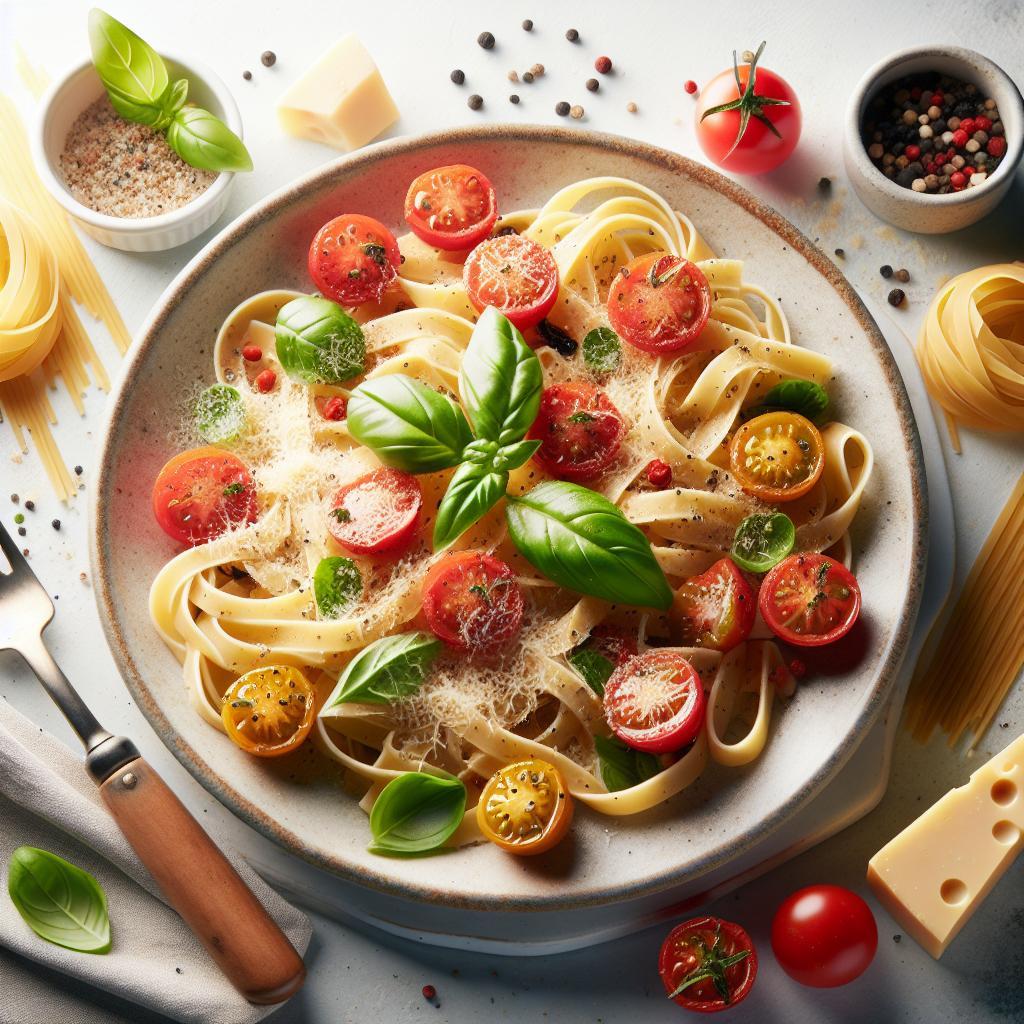
Plate your perfectly salted pasta in shallow bowls and garnish with a bright finishing touch. Try freshly grated Parmesan, torn basil leaves, or a drizzle of high-quality extra virgin olive oil. For a splash of color and zing, add cracked black pepper or a sprinkle of red chili flakes. Pair with a crisp green salad and a glass of chilled white wine for a restaurant-worthy meal at home.

| Nutrient | Per Serving (4 servings) |
|---|---|
| Calories | 210 |
| Protein | 7g |
| Carbohydrates | 42g |
| Fat | 1g |
Explore more culinary secrets to perfect pasta by reading our detailed guide on Perfect Pasta Sauce Pairings. For in-depth backing on how salt affects food chemistry, visit the Science Daily article on salt’s biochemical impact.
Q&A
Q&A: The Perfect Pinch – Mastering Salt Levels for Pasta Water
Q1: Why is salting pasta water such a big deal?
A1: Salting pasta water isn’t just tradition-it’s culinary science in action. Salt enhances the pasta’s flavor from the inside out, seasoning the starches as they cook. Without it, pasta can taste bland, no matter how flavorful your sauce is.
Q2: How much salt should I add to my pasta water?
A2: The golden rule is about 1 to 1.5 tablespoons of kosher salt per 4 to 6 quarts of water. This roughly mimics the salinity of seawater, giving pasta a subtle, balanced seasoning. Too little salt, and your noodles will be under-flavored; too much, and they can taste briny.
Q3: Can I skip salting the water if I salt the sauce?
A3: Not really. Salting the water is key because it seasons the pasta itself, not just the sauce. Think of it as layering flavors-the pasta needs its moment in the spotlight, too. Relying solely on sauce salt can lead to an uneven, one-dimensional dish.
Q4: Is there a difference between sea salt, kosher salt, and table salt when salting pasta water?
A4: Yes! Kosher salt is usually preferred for its clean flavor and ease of measuring. Table salt is finer, so you need less (roughly half the amount). Sea salt can also work but be mindful of its mineral content and sometimes coarse texture. Adjust amounts accordingly.
Q5: When should I salt the water-before or after it boils?
A5: Add salt once the water is at a rolling boil. Salt can slightly raise the boiling point, so adding it beforehand is fine, but adding it to hot water ensures it dissolves quickly and prevents pitting your pot.
Q6: What’s the “perfect pinch” – is it literal?
A6: The “perfect pinch” is more poetic than precise. It’s about finding your personal balance-too little salt is bland, too much is overpowering. Use it as a starting point, trust your taste buds, and adjust each time until your pasta charms your palate perfectly.
Q7: Does salted pasta water affect cooking time?
A7: Salted water can raise the boiling temperature slightly but usually not enough to significantly change cooking time. Still, always taste-test your pasta near the end to reach that ideal al dente bite.
Q8: Can I reuse salted pasta water?
A8: While not common, reusing salted pasta water can add extra starch and seasoning to sauces, making them silkier and more flavorful. Just be aware it’ll be saltier and may affect final dish seasoning.
Q9: What’s the takeaway on salting pasta water?
A9: Salting pasta water is a simple yet transformative step. Mastering it means mastering flavor foundation-season from the start, don’t fear the salt, and let your pasta shine on its own before the sauce steps in. Your taste buds will thank you!
Final Thoughts
As you embark on your next pasta adventure, remember that mastering the perfect pinch of salt is more than a simple step-it’s an art form that elevates every strand and sauce to new heights. With a well-seasoned pot of pasta water, you’re not just cooking; you’re unlocking layers of flavor that dance on the palate and transform humble ingredients into a celebration of taste. So, sharpen your senses, trust your instincts, and embrace the science behind the sizzle. Because in the world of pasta, a perfectly salted boil is the secret seasoning to success. Happy cooking!