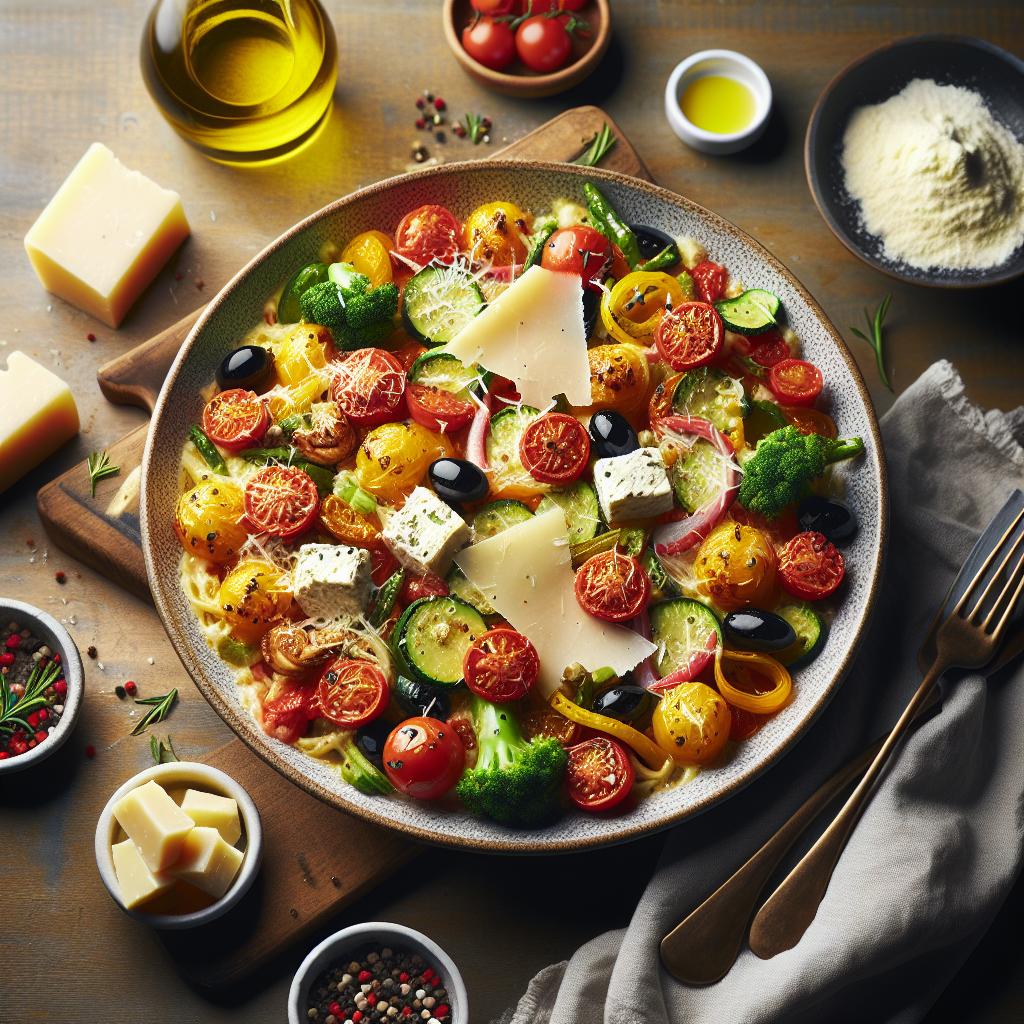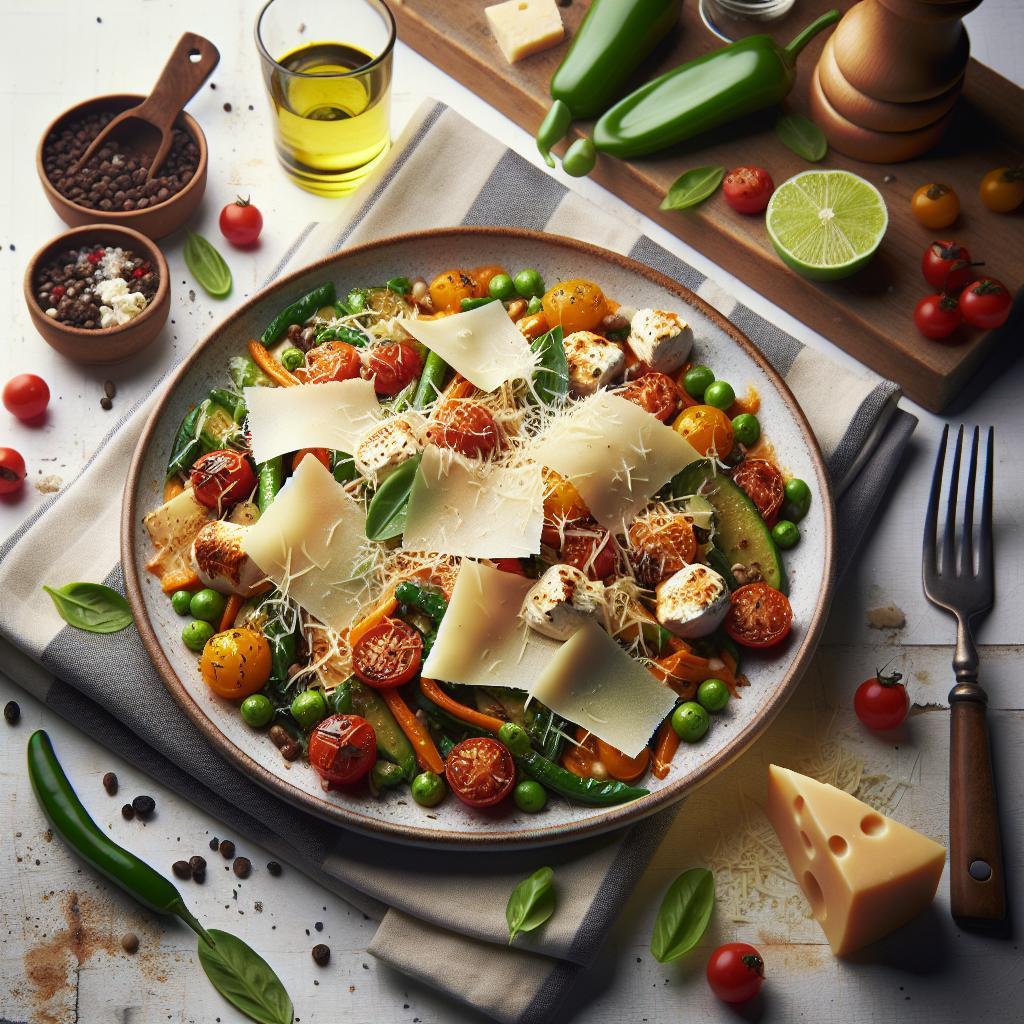

Beneath the sun-drenched hills of Italy lies a treasure whose robust character and sharp tang have captivated palates for centuries: Pecorino Romano. More than just a cheese, it is a bold statement of tradition, crafted from the milk of hardy sheep grazing on rugged pastures. With its crumbly texture and intense, savory flavor, Pecorino Romano stands apart in the world of cheese – a true emblem of Italian heritage and culinary artistry. Join us as we unveil the story behind this iconic cheese, exploring its origins, craftsmanship, and the vibrant role it plays in kitchens both ancient and modern.
Pecorino Romano embodies the rustic soul of Italy, hailing from the pastoral landscapes surrounding Rome. This hard, salty cheese has a rich heritage traced back to ancient Roman times when shepherds first crafted it using sheep’s milk. Its bold flavor and firm texture make it a cherished culinary staple that transcends simple cheese-it’s a cultural icon infused into traditional Italian cooking. Whether you’re grating it over freshly boiled pasta or savoring it alongside ripe figs, Pecorino Romano captures the essence of Italy’s bold flavors with every bite.
Prep and Cook Time
Prep Time: 10 minutes | Cook Time: 15 minutes (if cooking a recipe using Pecorino Romano)
Yield
Serves 4 as a flavorful garnish or accompaniment
Difficulty Level
Easy to Medium – perfect for both novice cooks wanting to explore Italian cheeses and seasoned chefs aiming to deepen their culinary repertoire.
Ingredients
- 100g Pecorino Romano, finely grated
- 200g durum wheat pasta (spaghetti or bucatini preferred)
- 2 large eggs
- Freshly cracked black pepper, to taste
- 1 tablespoon extra virgin olive oil
- 1 clove garlic, peeled (optional for infusing oil)
- Salt, sparingly (Pecorino Romano is naturally salty)
Instructions
- Cook the pasta: Bring a large pot of salted water to a boil. Add the pasta and cook until al dente, about 8-10 minutes. Reserve ½ cup of pasta water before draining.
- Prepare the sauce base: While pasta cooks, whisk together the eggs and finely grated Pecorino Romano in a bowl until smooth and creamy.
- Infuse oil (optional): In a large skillet, heat olive oil over medium heat. Toss in the garlic clove and sauté for 2-3 minutes until fragrant without browning. Remove garlic.
- Combine: Add drained pasta to the skillet and toss to coat with olive oil. Remove from heat and slowly add the egg and cheese mixture, stirring vigorously to create a silky sauce using the residual heat. Add reserved pasta water bit by bit to achieve desired creaminess.
- Season: Crack fresh black pepper generously over the pasta and toss once again. Taste-avoid adding salt as Pecorino Romano is potent and salty enough.
- Serve immediately: Garnish with extra grated Pecorino Romano and a sprinkle of freshly cracked black pepper for that signature bold flavor.
Chef’s Notes
- To prevent scrambled eggs, ensure the skillet is off the heat when mixing the egg and cheese sauce with pasta.
- For a vegetarian twist, omit garlic-infused oil and instead use fresh herbs like finely chopped rosemary or sage for aroma.
- If Pecorino Romano is too intense, try blending it 50/50 with a milder Parmesan for a subtler finish.
- Store any leftover Pecorino in wax paper wrapped loosely inside an airtight container to maintain freshness and avoid moisture buildup.
- This dish comes together quickly-prep all ingredients before cooking to keep the process seamless.
Serving Suggestions
Present this Pecorino Romano pasta with a dusting of parsley for color and a side of crisp green salad dressed lightly with lemon vinaigrette. A glass of crisp, dry white wine such as Verdicchio or Vermentino complements the cheese’s salty richness beautifully. For a heartier meal, serve alongside roasted vegetables or grilled chicken. Add visual contrast with a few thin slices of truffle or a drizzle of truffle oil to elevate the rustic charm.
| Nutrient | Amount Per Serving |
|---|---|
| Calories | 450 kcal |
| Protein | 22g |
| Carbohydrates | 55g |
| Fat | 15g |

To explore more about Italian cheeses and traditional recipes, visit our Italian Cheese Guide. For in-depth history and certification details, International Pecorino Romano Consortium offers authoritative insights.
Q&A
Q&A: Unveiling Pecorino Romano: Bold Flavors of Italy’s Cheese
Q1: What makes Pecorino Romano stand out among Italian cheeses?
A1: Pecorino Romano is like Italy’s flavor powerhouse-bold, salty, and unabashedly robust. Unlike milder cheeses, it’s crafted from sheep’s milk, giving it a distinctive tang and crumbly texture that commands attention. Its history dates back to ancient Rome, making it a timeless treasure with both cultural depth and culinary punch.
Q2: How is Pecorino Romano traditionally made?
A2: The magic starts with sheep’s milk from specific regions around Lazio, Sardinia, and Tuscany. After curdling, the cheese is pressed, salted generously, and aged for at least five months, often longer. This aging process develops the sharp, savory notes and firm yet slightly grainy texture that define Pecorino Romano’s character.
Q3: What are the signature flavor notes of Pecorino Romano?
A3: Expect a bold symphony of salty, nutty, and tangy elements. Its intense saltiness can awaken any dish, while hints of earthiness and sharpness add complexity. Compared to its cousin Parmigiano-Reggiano, Pecorino Romano boasts a more pronounced piquancy and a rustic charm that’s both wild and refined.
Q4: How is Pecorino Romano typically used in Italian cuisine?
A4: Think of it as the zesty secret weapon of classic Roman recipes. It shines grated over pasta dishes like Cacio e Pepe and Carbonara, lending a salty punch and creamy texture when melted. It’s also fantastic shaved over salads, sprinkled on roasted veggies, or enjoyed in cheese platters paired with robust wines.
Q5: Can Pecorino Romano be enjoyed outside of Italian cooking?
A5: Absolutely! This cheese’s assertive personality makes it a fun ingredient to experiment with globally. Toss it into spicy southwestern egg dishes, blend into savory gratins, or use it as a bold topping for gourmet burgers. Its versatility goes beyond tradition, elevating any dish craving a tangy kick.
Q6: What should one look for when buying Pecorino Romano?
A6: Authenticity is key-look for the Protected Designation of Origin (PDO) seal, ensuring it’s made according to traditional methods in designated Italian regions. A well-aged piece will have a firm texture with small crunchy crystals and a strong aroma that hints at its bold flavor profile.
Q7: How can you best store Pecorino Romano to preserve its flavor?
A7: Keep it wrapped snugly in wax or parchment paper, then inside an airtight container in the fridge. This helps it breathe just enough without drying out. For longer storage, avoid plastic wrap directly on the cheese, which can trap moisture and dull its sharpness.
Q8: Why does Pecorino Romano pair so well with certain wines and foods?
A8: Its saltiness and tang balance beautifully with bold reds like Chianti or Negroamaro, cutting through tannins while enhancing fruitiness. The cheese’s intensity also complements the acidity in fresh tomatoes and citrus, making it a natural match with Mediterranean flavors and cured meats.
Q9: Is Pecorino Romano suitable for vegetarians?
A9: Traditional Pecorino Romano uses animal rennet, so it’s generally not vegetarian-friendly. However, some artisanal producers may offer versions made with microbial rennet-always check labels if you follow a vegetarian diet.
Q10: What’s a simple way to introduce Pecorino Romano into everyday meals?
A10: Start small-grate a touch of Pecorino Romano over your scrambled eggs or mix into homemade salad dressings for a salty depth. Even a sprinkle on roasted potatoes or popcorn can transform the ordinary into a flavorful Italian-inspired delight!
The Way Forward
As the sun sets over the limestone hills of central Italy, the story of Pecorino Romano lingers on our palates-a bold testament to tradition, terroir, and timeless craftsmanship. From its ancient origins to the modern table, this cheese invites us to savor not just its sharp, tangy bite but the rich cultural tapestry it embodies. Whether grated over a steaming plate of pasta or enjoyed in rustic simplicity, Pecorino Romano remains an enduring ambassador of Italy’s vibrant culinary heritage. So next time you seek a dash of daring flavor, remember: beneath that firm, salty rind lies a world of bold stories waiting to be unveiled.