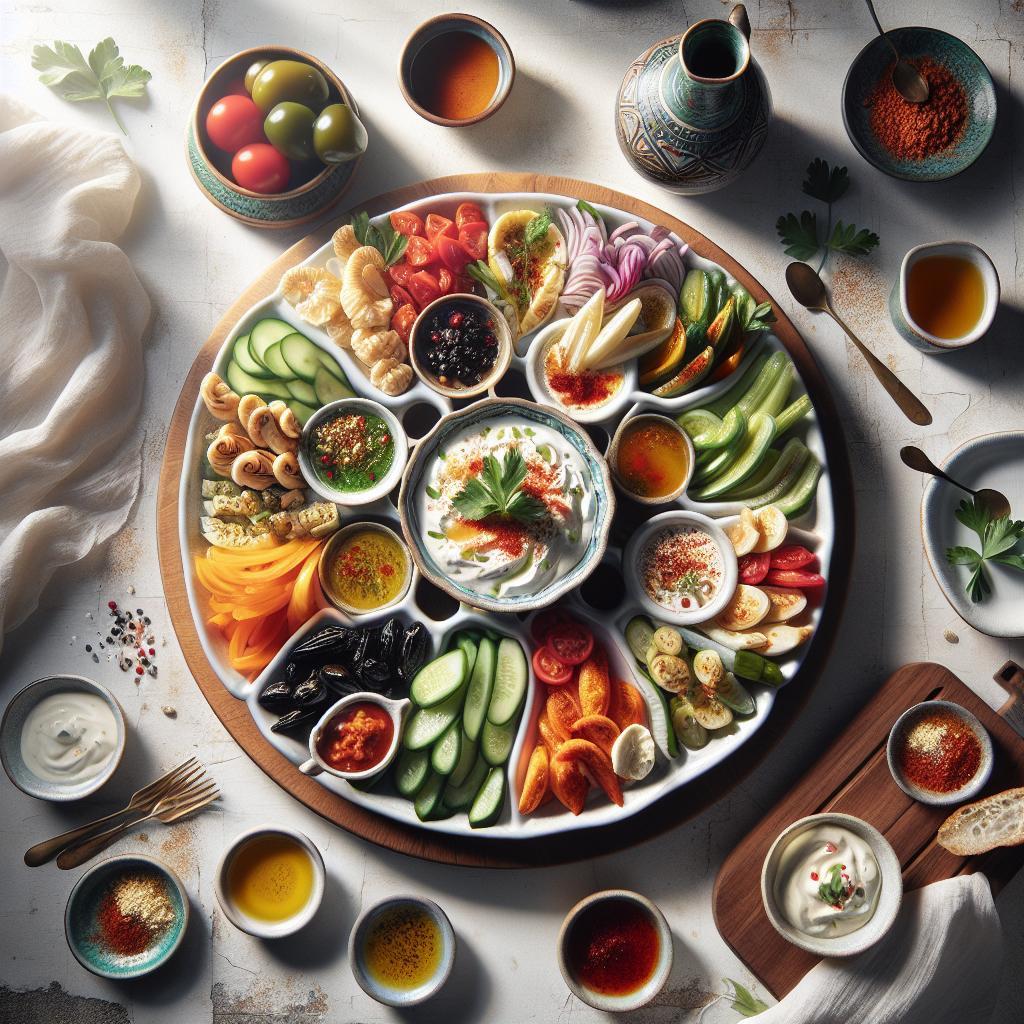

In the heart of Turkish culture lies a ritual as rich and vibrant as the land itself: the Rakı Sofrası. More than just a meal, it is a convivial celebration where the spirit of togetherness is poured generously into every glass of rakı, Turkey’s iconic anise-flavored spirit. Surrounding these glasses is an artful array of meze-colorful, flavorful small plates that tease the palate and tell stories of ancient traditions, regional diversity, and culinary mastery. Join us as we unveil the enchanting world of the Rakı Sofrası, where every bite is a journey through Turkey’s gastronomic heritage and every shared moment becomes a timeless memory.
Exploring the Rich Variety of Traditional Turkish Meze
Unveiling the Rakı Sofrası introduces you to the heart of Turkish dining culture-a vibrant tapestry of flavors found in meze, each dish telling its own story. Originating from Ottoman banquets, these small plates invite communal sharing and hospitality, turning every rakı night into a cherished celebration. From the creamy silkiness of haydari (yogurt with garlic and herbs) to the smoky warmth of şakşuka (eggplant and tomato medley), the selection is as rich as the traditions that inspired it.
Prep and Cook Time
- Preparation: 45 minutes
- Cooking: 30 minutes
- Total Time: 1 hour 15 minutes
Yield
Serves 6-8 guests comfortably, perfect for a casual gathering or an elegant rakı sofrası experience.
Difficulty Level
Medium – ideal for home cooks eager to explore authentic Turkish cuisine with approachable steps.
Ingredients
- 250g eggplant, diced
- 2 medium zucchinis, cubed
- 1 large onion, finely chopped
- 3 cloves garlic, minced
- 3 medium tomatoes, peeled and chopped
- 2 tablespoons olive oil
- 1 teaspoon smoked paprika
- 1 teaspoon ground cumin
- Salt and freshly ground black pepper, to taste
- Fresh parsley, chopped for garnish
- 200g strained yogurt
- 1 teaspoon dried mint
- 300g white cheese (beyaz peynir), crumbled
- Fresh dill, chopped
- 1 lemon, juice only
Instructions
- Prepare the Vegetables: Sauté diced eggplant and zucchini in olive oil over medium heat until tender and slightly caramelized, about 10 minutes. Stir occasionally to prevent sticking.
- Build the Base: Add the finely chopped onion and minced garlic to the pan and cook until translucent and fragrant, about 5 minutes.
- Enhance the Flavor: Stir in chopped tomatoes, smoked paprika, cumin, salt, and pepper. Simmer gently for 15 minutes until the mixture thickens and melds beautifully.
- Make the Haydari: In a separate bowl, whisk strained yogurt with dried mint, lemon juice, and a pinch of salt. Set aside to chill, allowing flavors to develop.
- Prepare the Cheese Plate: Crumble white cheese and sprinkle freshly chopped dill over it, serving on a decorative plate for visual appeal.
- Assemble the Meze Platter: Arrange the cooked vegetable stew alongside haydari, cheese plate, and other small accompaniments such as olives, walnuts, and cucumber slices for variety and texture.
- Garnish and Serve: Sprinkle chopped parsley on the vegetable dish and drizzle with a little extra virgin olive oil just before serving to awaken the flavors.
Chef’s Notes
- For a smokier depth, gently char the eggplant over an open flame before dicing.
- Substitute strained yogurt with Greek yogurt for a thicker, creamier texture in the haydari.
- Serve the meze at room temperature to allow each flavor profile to shine against the subtle anise notes of rakı.
- Prepare the stewed vegetables a day in advance to enhance the melding of spices and freshness.
- For a vegetarian-friendly rakı night, include grilled halloumi and roasted red peppers alongside these meze selections.
Serving Suggestions
Present your spread on rustic wooden boards or colorful ceramic dishes to evoke the warm ambiance of a traditional Turkish home. Include small bowls of salted almonds, fresh herbs, and vibrant pomegranate seeds for visual contrast and fresh bursts of flavor.
Pair with freshly baked simit or thin slices of crusty bread, ideal for scooping haydari and soaking up rich vijje. Elevate the presentation with tall rakı glasses half-filled with chilled cold water and dotted with ice cubes, signaling the start of a convivial evening where flavors, stories, and laughter blend effortlessly.
| Nutrition (per serving) | Amount |
|---|---|
| Calories | 210 kcal |
| Protein | 8g |
| Carbohydrates | 14g |
| Fat | 14g |
Discover more about Turkish culinary treasures to enrich your rakı sofrası nights.
For detailed insight into rakı’s history and cultural significance, visit Encyclopaedia Britannica.

Q&A
Q&A: Unveiling the Rakı Sofrası: A Feast of Turkish Meze Delights
Q1: What is a Rakı Sofrası, and why is it significant in Turkish culture?
A Rakı Sofrası is much more than just a meal-it’s a cherished Turkish tradition centered around the communal enjoyment of rakı, the nation’s iconic anise-flavored spirit. At its heart lies an array of colorful, flavorful mezes (small dishes) that turn dining into a convivial feast. This gathering symbolizes friendship, storytelling, and the slow savoring of life’s pleasures.
Q2: What exactly are mezes, and how do they complement rakı?
Mezes are bite-sized appetizers that come in a dazzling variety of textures and flavors-from tangy yogurt dips and smoky eggplants to fresh seafood and crisp salads. They act as perfect companions to rakı’s strong, licorice taste, soothing the palate and encouraging a leisurely pace. Each mezze invites sharing, fostering conversation and connection around the table.
Q3: Can you describe the typical dishes you might find at a Rakı Sofrası?
A classic Rakı Sofrası might include ezme (a spicy tomato and pepper salad), haydari (herby strained yogurt), grilled calamari, and şakşuka (fried vegetables in tomato sauce). Delicate slices of beyaz peynir (white cheese), roasted nuts, and olives add layers of salty contrast. The star attraction often features fresh seafood, like octopus or shrimp, celebrating Turkey’s coastal richness.
Q4: How does one traditionally enjoy rakı during such a feast?
Rakı is traditionally diluted with cold water until it turns a milky white, often accompanied by ice cubes. The ritual of pouring, mixing, and toasting is as vital as the food itself. Sipping rakı slowly between bites encourages savoring the flavor and the company, while lively conversations and laughter fill the night.
Q5: Why is the Rakı Sofrası considered a cultural experience beyond just eating and drinking?
The Rakı Sofrası encapsulates the spirit of Turkish hospitality and community. It’s an occasion for bonding, where stories unfold, friendships strengthen, and passions kindle. The unhurried rhythm of this feast stands as a beautiful counterpoint to modern life’s haste, inviting guests to appreciate the art of togetherness, taste, and tradition.
Q6: Can someone unfamiliar with Turkish cuisine recreate the Rakı Sofrası experience at home?
Absolutely! While the atmosphere is key, recreating the Rakı Sofrası starts with sourcing an authentic bottle of rakı and preparing or procuring a selection of traditional mezes. Setting a welcoming table, inviting friends, and embracing the spirit of sharing and conversation will bring the essence of this feast to any home, anywhere in the world.
Q7: Is Rakı Sofrası celebrated year-round or only on special occasions?
While rakı and meze can be enjoyed throughout the year, the Rakı Sofrası is often associated with festive gatherings, celebrations, and warm summer evenings by the coast. However, Turks treasure any opportunity to gather around this table, making every meal a potential celebration of friendship and flavor.
This Q&A offers a flavorful glimpse into the Rakı Sofrası, inviting readers to discover and celebrate one of Turkey’s most enchanting culinary traditions.
In Conclusion
As the last drops of rakı mingle with the lingering flavors of mezze, the sof|rası reveals itself not just as a meal, but as a timeless celebration of connection, culture, and culinary artistry. Each dish tells a story, every shared plate bridges moments and memories, and the rakı-clear as the Aegean sky-invites you to slow down, savor, and partake in a tradition that transcends mere dining. To uncover the heart of the rakı sofra is to embrace a feast where food, friendship, and heritage come beautifully intertwined, offering a taste of Turkey’s soul one bite at a time.