
There’s a magic that happens when you savor a bowl of Thai curry-the rich aromas, the vibrant colors, the perfect harmony of spicy, sweet, and savory flavors dancing on your palate. At the heart of this culinary symphony lies the humble Thai curry paste, a fragrant, colorful blend that transforms ordinary ingredients into an extraordinary feast. But what if you could capture that magic in your own kitchen? Crafting authentic Thai curry paste from scratch is not just an art; it’s a journey into the soul of Thailand’s rich culinary heritage. In this step-by-step guide, we’ll unravel the secrets behind each ingredient, reveal traditional techniques, and empower you to create your very own curry paste that’s bursting with genuine Thai flavor-no shortcuts, just pure, aromatic bliss. Whether you’re a seasoned cook or a curious foodie, get ready to embark on a flavorful adventure that will elevate your cooking and transport your taste buds straight to the bustling streets of Bangkok.
- Choosing the Freshest Ingredients for Vibrant Flavors
- Mastering the Traditional Grinding Technique for Perfect Texture
- Balancing Spices and Aromatics to Achieve Depth and Harmony
- Tips for Storing and Enhancing Your Curry Paste Over Time
- Prep and Cook Time
- Yield
- Difficulty Level
- Ingredients
- Instructions
- Chef’s Notes
- Serving Suggestions
- Q&A
- The Conclusion
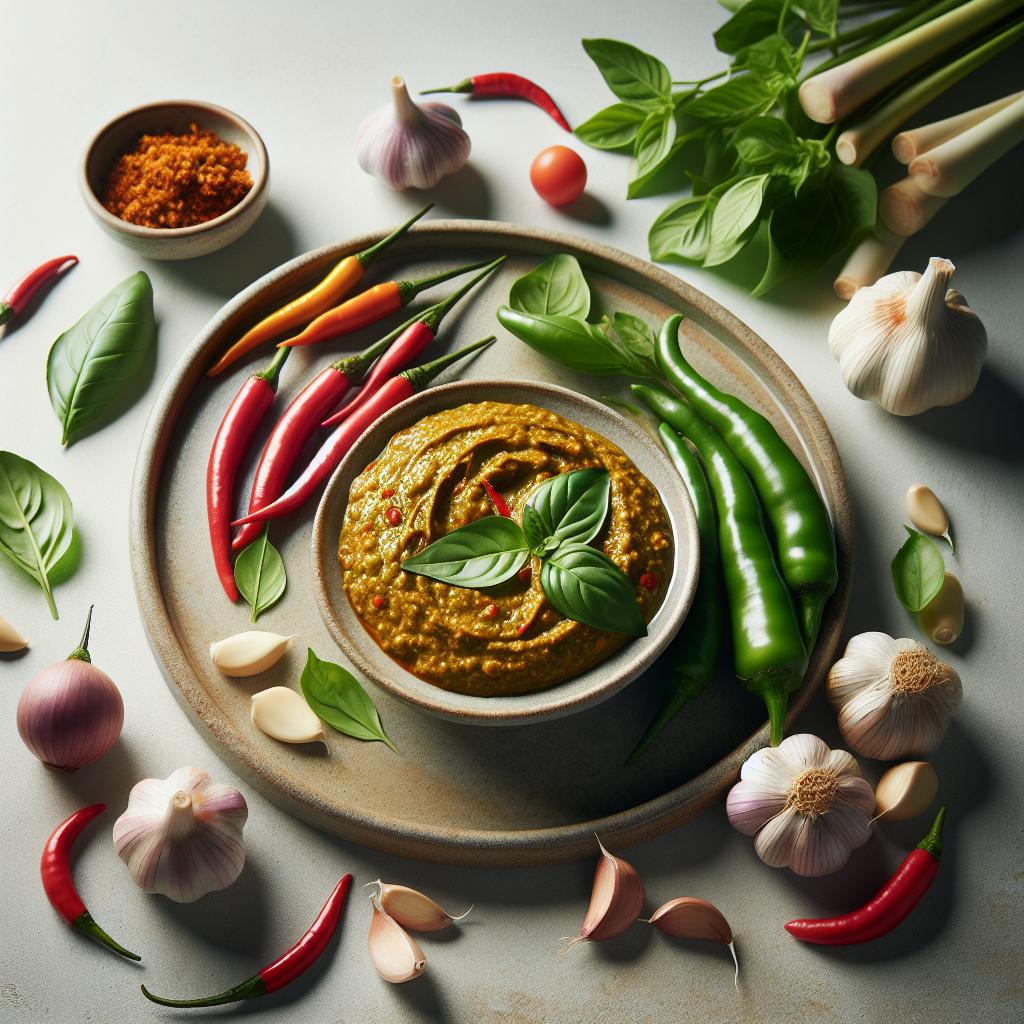
Crafting Authentic Thai Curry Paste begins with an unwavering commitment to choosing the freshest ingredients. The vitality of each herb, seed, and root breathes life into your paste, setting the stage for the vibrant flavors Thai cuisine is celebrated for. Picture freshly plucked kaffir lime leaves, fiery red chilies, and pungent galangal-each bursting with essential oils and aromas that fill your kitchen and ignite your senses.
Choosing the Freshest Ingredients for Vibrant Flavors
Start by sourcing ingredients from trusted markets or specialty Asian grocers. Look for bright green lemongrass stalks that snap easily, indicating freshness, and small, firm red chilies with a glossy skin. Avoid dried or limp roots; fresh galangal and turmeric should feel dense and emit a fragrant earthiness. The freshness of shallots and garlic affects the paste’s pungency and sweetness balance. Selecting quality dried shrimp or shrimp paste adds an unmistakable umami layer-choose brands known for their rich flavor rather than synthetic substitutes.
Mastering the Traditional Grinding Technique for Perfect Texture
The heart of perfect curry paste lies in the rhythm of grinding. Utilize a mortar and pestle over a food processor to release the essential oils naturally. Pound the chilies and herbs with steady pressure, turning the materials in the bowl to break down fibers evenly. The rhythmic press-and-twist breaks down the fibrous textures of lemongrass and galangal, resulting in a paste that’s luxuriously smooth yet still robust. Don’t rush-this technique develops the paste’s inherent flavors through gentle bruising rather than aggressive chopping.
Balancing Spices and Aromatics to Achieve Depth and Harmony
Understanding the balance of hot, sweet, sour, and salty is key when blending your spices. Toast whole spices such as coriander seeds and cumin lightly before grinding to amplify their aroma. Freshness plays a pivotal role again here-using vibrant, aromatic kaffir lime zest instead of powder elevates brightness. The richness of shrimp paste or fermented soy beans adds depth, while palm sugar introduces caramelized sweetness balancing fiery chilies. Taste as you blend, adjusting gradually to find your perfect harmony that will linger on your palate long after the last bite.
Tips for Storing and Enhancing Your Curry Paste Over Time
Once crafted, transfer your paste into an airtight jar and refrigerate. The flavors will continue to meld, becoming richer within a few days. For longer storage, portion it into ice cube trays before freezing, allowing easy access to measured amounts. Adding a touch of neutral oil on top prevents oxidation and extends freshness. Experiment with slight variations over time, such as infusing with kaffir lime leaves or extra garlic, to personalize your blend. Remember, authentic curry paste evolves, so revisit your recipe seasonally for dynamic, vibrant results.
Prep and Cook Time
- Prep Time: 25 minutes
- Cook Time: 0 minutes (grinding only)
- Total Time: 25 minutes
Yield
Approximately 1 cup of curry paste, sufficient for 4-6 servings
Difficulty Level
Medium – requires patience and attention to technique
Ingredients
- 10-12 dried red chilies, soaked and seeds removed
- 2 stalks lemongrass (white part only), finely sliced
- 3 shallots, peeled and quartered
- 5 cloves garlic, peeled
- 1 thumb-sized piece of galangal, peeled and chopped
- 1 thumb-sized piece fresh turmeric, peeled and chopped (or 1 tsp turmeric powder)
- 1 tbsp coriander seeds, toasted
- 1 tsp cumin seeds, toasted
- 1 tbsp shrimp paste (kapi), or substitute with fermented soybean paste
- 1 tsp salt
- 1 tsp palm sugar
- 5-6 kaffir lime leaves, finely chopped or finely grated zest of 1 lime
Instructions
- Prepare the chilies: Remove seeds carefully to reduce heat if desired. Soak in warm water for 10 minutes until softened, then drain thoroughly.
- Toast spices: In a dry skillet over medium heat, toast coriander and cumin seeds until fragrant, about 2-3 minutes. Allow to cool, then grind to a fine powder using mortar and pestle.
- Grind hard aromatics: Pound chopped galangal, turmeric, and lemongrass first until their fibers start breaking down and oils release, about 3-4 minutes.
- Add soft aromatics: Incorporate shallots, garlic, and softened chilies gradually. Continue pounding and twisting the pestle to form a cohesive paste, approximately 7-10 minutes. This step is key for a silky texture.
- Blend spices and seasonings: Mix in ground coriander and cumin, shrimp paste, salt, and palm sugar. Keep grinding until fully incorporated, tasting for balance.
- Finish with lime leaves: Fold in finely chopped kaffir lime leaves or lime zest, stirring to combine without over-pounding to maintain bright citrus notes.
- Store or use immediately: Transfer to a clean jar, seal tightly, and refrigerate or freeze as needed.
Chef’s Notes
- Adjust chili quantity to manage heat intensity-traditional pastes are fiery but can be tailored to your taste.
- Mortar and pestle pounding takes time; it’s a meditative technique that yields superior flavor extraction compared to a food processor.
- If unavailable, a sturdy mortar with a flat grinding base is preferable; wooden pestles give a rustic feel but ceramic works well too.
- For a vegan alternative, omit shrimp paste and increase toasted cumin for umami richness.
- Make a large batch and freeze in portions-this curry paste is a versatile foundation for countless Thai dishes.
Serving Suggestions
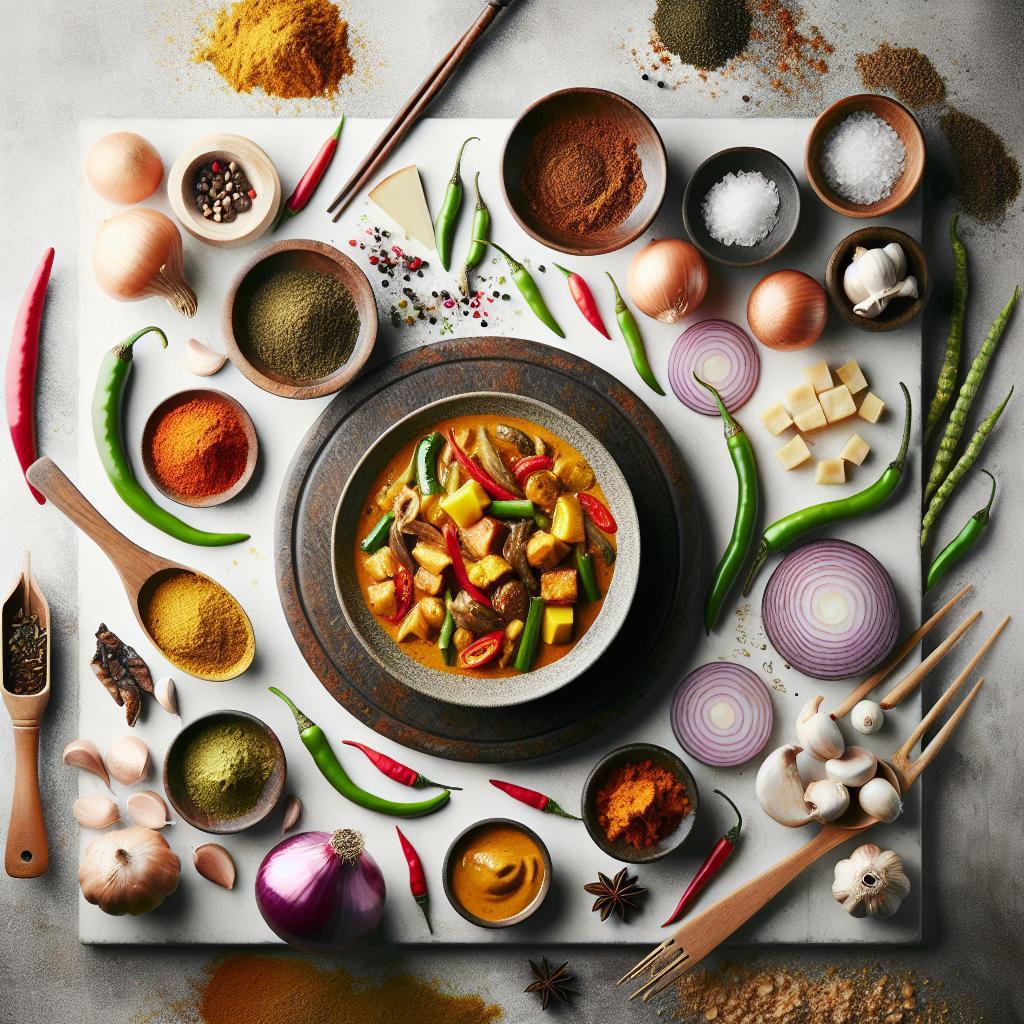
Luxuriate your homemade paste by stirring it into coconut milk for classic Thai curries like Gaeng Daeng (Red Curry) or Gaeng Keow Wan (Green Curry). Garnish dishes with fresh Thai basil, torn kaffir lime leaves, or a drizzle of fragrant coconut cream to highlight the paste’s harmony. Pair with steamed jasmine rice or sticky rice for authentic texture contrasts. For an irresistible appetizer, mix a teaspoon of paste into dipping sauces or marinades-your guests will be intrigued by the depth of flavor.
| Nutritional Info (per 1 tbsp) | Calories | Protein | Carbs | Fat |
|---|---|---|---|---|
| Thai Curry Paste | 30 kcal | 1 g | 5 g | 0.2 g |

For more inspiration on Thai cooking techniques, check our Thai Cooking Techniques Guide. Learn about the cultural significance of ingredients from Encyclopedia Britannica’s Thai cuisine overview.
Q&A
Q&A: Crafting Authentic Thai Curry Paste – A Step-by-Step Guide
Q1: What makes Thai curry paste truly authentic?
A1: Authenticity in Thai curry paste comes from the harmony of fresh, traditional ingredients and the meticulous preparation method. Ingredients like fresh lemongrass, galangal, kaffir lime zest, dried chilies, shrimp paste, and aromatic herbs are essential. The traditional technique of pounding these ingredients with a mortar and pestle unlocks their natural oils and flavors, which a food processor just can’t replicate.
Q2: Why start with drying and soaking the chilies?
A2: Dried chilies are the backbone of color and heat in Thai curry paste. Soaking them softens their tough skins, making them easier to grind into a paste while mellowing their raw bitterness. This step ensures a smooth, vibrant paste that’s perfectly balanced in spice and aroma.
Q3: Can I substitute fresh herbs if I can’t find kaffir lime leaves or galangal?
A3: While fresh kaffir lime leaves and galangal offer unique citrusy and peppery notes that define Thai curry, lime zest can be a mild substitute for kaffir lime leaves, and ginger can stand in for galangal in a pinch. However, purists will find subtle but crucial flavor differences that make the original ingredients irreplaceable for authentic results.
Q4: How does pounding the paste by hand affect the final dish?
A4: Pounding with a mortar and pestle is an art that gently breaks down fibers and releases essential oils, creating a paste with a rustic texture and complex, layered flavors. This slow, rhythmic process helps marry the ingredients’ tastes far better than mechanical blending, resulting in a curry that sings with depth and character.
Q5: What tips can help prevent the paste from being too watery or dry?
A5: Balancing moisture is key. Start with fresh, firm ingredients to avoid excess water, and add them gradually to the mortar, pounding patiently. If the paste feels too dry, a tiny splash of oil or water can help bind it. Too wet? Add more dry roasted spices or dried chilies to soak up excess moisture without losing intensity.
Q6: How long can homemade curry paste be stored?
A6: Homemade curry paste can be refrigerated in an airtight container for up to two weeks, or frozen in small portions for up to three months. Adding a thin layer of oil on top before sealing helps preserve freshness and flavor longevity.
Q7: Is shrimp paste necessary? Can I omit it for a vegetarian version?
A7: Shrimp paste adds umami depth and authenticity, providing that quintessential savory punch. For vegetarians, omit it and consider adding fermented soybean paste or miso as an alternative, though the flavor will be milder and different from traditional Thai curry paste.
Q8: What dishes benefit most from using freshly made curry paste?
A8: Freshly made curry paste elevates classic Thai curries like red, green, and panang curries, infusing them with vibrant, fresh spice and aroma. It also shines in stir-fries, soups, and dipping sauces where a burst of authentic Thai flavor sets the dish apart.
Q9: How can I customize my paste’s heat level?
A9: Control the spice by adjusting the type and amount of dried chilies. Milder pastes use fewer or milder chilies, while hotter versions include more or spicier varieties like bird’s eye chilies. Remember, the paste’s heat intensifies when cooked, so start with less if unsure.
Q10: Any final advice for first-timers attempting homemade Thai curry paste?
A10: Embrace patience and enjoy the sensory journey: the vivid colors, intoxicating aromas, and rhythmic pounding connect you to centuries of Thai culinary tradition. Don’t rush-each step unlocks a new layer of flavor that transforms your homemade curry into an authentic masterpiece. Experiment, taste as you go, and soon, crafting curry paste will feel like second nature!
The Conclusion
Crafting your own authentic Thai curry paste is more than just a cooking technique-it’s a soulful journey into the heart of Thai cuisine. As you grind fresh herbs and toast aromatic spices, you’re not only building layers of flavor but also connecting with centuries of culinary tradition. With this step-by-step guide in hand, you hold the key to transforming everyday dishes into vibrant celebrations of taste. So roll up your sleeves, embrace the fragrant chaos of the mortar and pestle, and let your kitchen fill with the unmistakable spirit of Thailand-one spoonful of curry paste at a time.