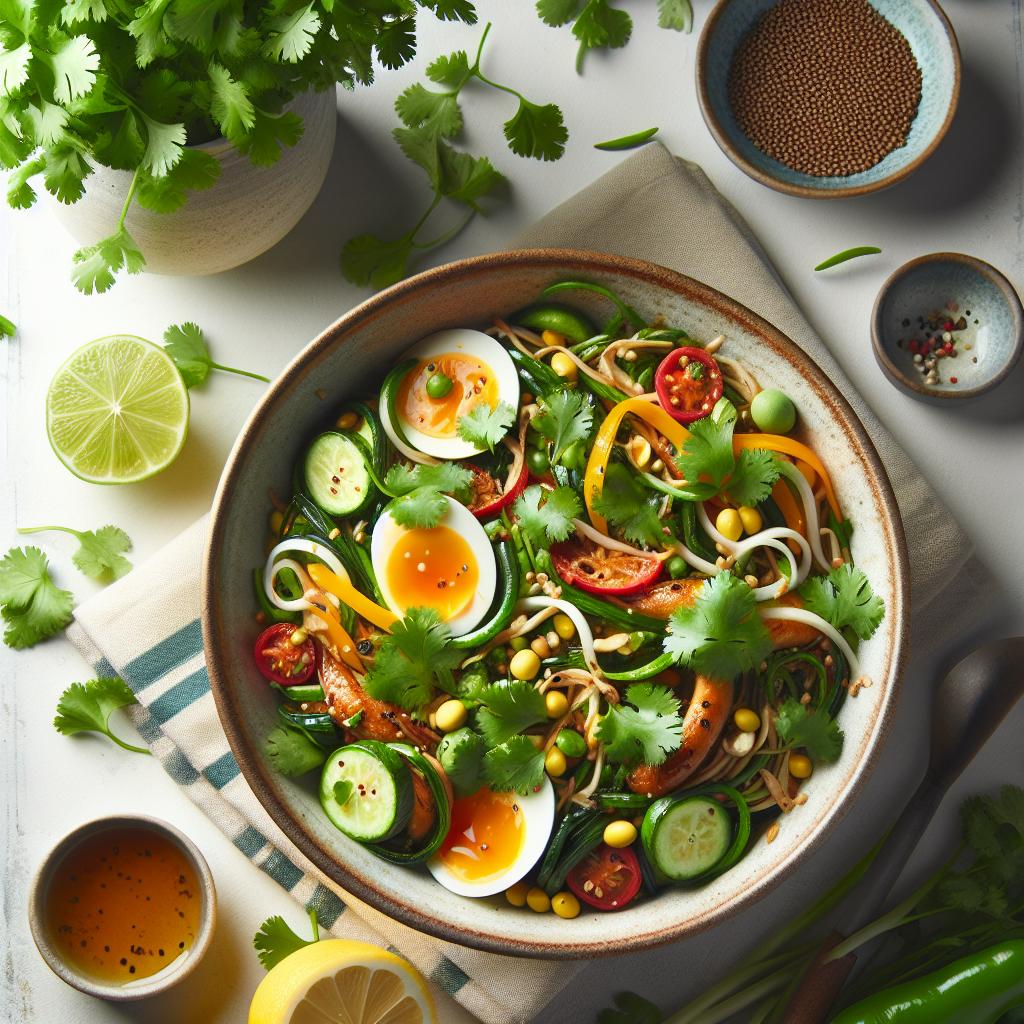

In the vibrant tapestry of Northeastern cuisine, where each dish tells a story of heritage and heart, one unassuming herb quietly reigns supreme-cilantro. Often overlooked as a mere garnish, cilantro is, in fact, the soulful thread weaving together bold spices, fresh ingredients, and centuries-old traditions. “Cilantro Chronicles: Flavoring Northeastern Cuisine’s Soul” uncovers the verdant tales behind this aromatic herb, exploring how its bright, citrusy notes elevate beloved dishes and infuse them with a distinctive character. Join us on a flavorful journey through markets, kitchens, and family tables, where cilantro is more than an ingredient-it’s the vibrant essence that breathes life into Northeastern cooking.
Cilantro Chronicles: Flavoring Northeastern Cuisine’s Soul unveils a fragrant tapestry woven through the vibrant kitchens of the Northeastern region. Among the myriad herbs that define this area’s culinary identity, cilantro stands supreme-its bright, citrusy essence elevating every dish it graces.
Growing up amidst the aromatic wafts of fresh cilantro, I quickly learned how this humble herb transforms simple home-cooked meals into soulful celebrations of flavor. This recipe rekindles that magic by pairing cilantro with traditional Northeastern ingredients, offering a fresh, approachable twist that will inspire you to embrace its versatility year-round.
Prep and Cook Time
- Preparation: 15 minutes
- Cooking: 20 minutes
- Total Time: 35 minutes
Yield
Serves 4 generous portions
Difficulty Level
Easy to Medium – perfect for home cooks looking to experiment with Northeastern flavors.
Ingredients
- 1 cup fresh cilantro leaves, roughly chopped, plus extra for garnish
- 2 tbsp mustard oil or neutral vegetable oil
- 1 medium onion, finely sliced
- 2 green chilies, slit lengthwise
- 1 tbsp freshly grated ginger
- 3 cloves garlic, minced
- 1 large tomato, chopped
- 200 grams boneless chicken, cut into bite-sized pieces (optional for vegetarian, substitute with paneer or tofu)
- 1 tsp turmeric powder
- 1 tbsp coriander powder
- ½ tsp cumin powder
- Salt to taste
- Freshly squeezed juice of half a lemon
- 1/2 cup water
Instructions
- Heat the mustard oil in a heavy-bottomed pan over medium heat until it begins to smoke lightly (this mellows the pungency). Reduce heat to medium-low.
- Add finely sliced onions and sauté until golden brown, about 7 minutes, stirring occasionally to avoid burning.
- Stir in the green chilies, garlic, and ginger. Cook for 2 minutes until fragrant.
- Add the chopped tomatoes, turmeric, coriander, and cumin powders. Cook until tomatoes soften and oil begins to separate, about 5 minutes.
- Incorporate the chicken pieces, coating them thoroughly with the spice mix. Cook until chicken is sealed and lightly browned, about 6 minutes.
- Pour in water, cover the pan, and simmer on low heat for 10-12 minutes or until chicken is cooked through and tender.
- Just before turning off the heat, fold in the fresh chopped cilantro and lemon juice, stirring gently to preserve the herb’s vibrant aroma and freshness.
- Let the dish rest covered for 2 minutes to allow flavors to meld beautifully.
Chef’s Notes
- For a vegetarian variation, substitute chicken with firm paneer or tofu cubes, lightly pan-fried.
- If mustard oil isn’t available, use sunflower or canola oil, but mustard oil delivers the signature Northeastern flavor.
- Always add cilantro at the end of cooking to retain its distinctive freshness and bright green color.
- Try growing your own cilantro indoors-use well-drained soil and provide 4-5 hours of sunlight daily to enjoy fresh picks year-round.
- To soften the herb’s sometimes intense flavor, gently bruise the leaves before cooking to help release essential oils gradually.
Serving Suggestions
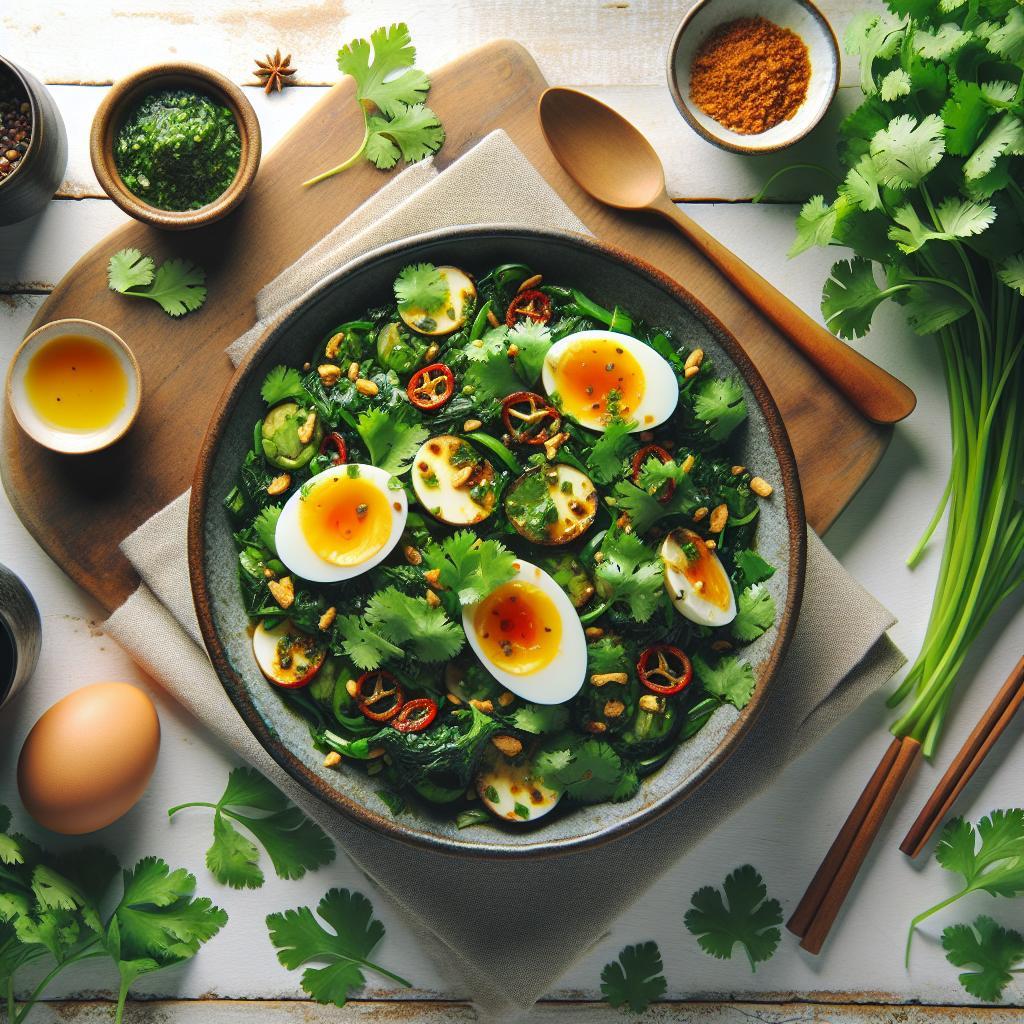
Serve this vibrant cilantro chicken stew hot, accompanied by steaming jasmine rice or soft, warm flatbreads such as roti or paratha. Garnish generously with additional fresh cilantro leaves and a side of sliced raw onions dotted with lemon juice to amplify the dish’s bright, refreshing notes. For a full Northeastern experience, pair with a simple cucumber raita or a spiced lentil dal.

| Nutrient | Per Serving |
|---|---|
| Calories | 280 kcal |
| Protein | 28 g |
| Carbohydrates | 8 g |
| Fat | 12 g |
For those eager to dive deeper into culinary herbs, be sure to explore our related article: A Guide to Indigenous Northeastern Herbs. To understand the botanical and health benefits of cilantro, visit Healthline’s comprehensive cilantro profile.
Q&A
Q&A: Cilantro Chronicles – Flavoring Northeastern Cuisine’s Soul
Q1: What makes cilantro such an iconic ingredient in Northeastern cuisine?
A1: Cilantro is more than just a herb in Northeastern cuisine-it’s a vibrant thread woven into the region’s culinary tapestry. Its bright, citrusy aroma and slightly peppery flavor awaken dishes, bridging earthy roots and zesty freshness. From hearty stews to tangy salads, cilantro imparts a soulful balance that defines the region’s palate.
Q2: How did cilantro become so integral to Northeastern cooking traditions?
A2: The love affair between cilantro and Northeastern cuisine sprouted from the region’s blending of indigenous practices and diverse cultural influences. Early settlers and native communities discovered cilantro growing wild and embraced it not only for its flavor but for its medicinal qualities. Over centuries, it has evolved from a garnish to an essential flavor ambassador.
Q3: Can you describe how cilantro is used uniquely in Northeastern dishes compared to other regions?
A3: In the Northeast, cilantro dances through dishes both subtly and boldly. Unlike some cuisines that only sprinkle it as a fresh garnish, Northeastern cooks layer cilantro leaves, stems, and even roots into complex spice pastes, broths, and pickles. Its usage is fearless-turning simple bowls of comfort food into aromatic experiences that conjure the seasons and landscapes of the region.
Q4: What role does cilantro play in the cultural identity of Northeastern communities?
A4: Cilantro transcends kitchen counters-it’s a symbol of heritage and hospitality. Sharing cilantro-infused dishes strengthens bonds, honors ancestral wisdom, and evokes memories of communal celebrations. It’s a fragrant storyteller that whispers tales of land and lineage, connecting people through shared taste traditions.
Q5: Are there any innovative culinary trends involving cilantro emerging from the Northeast?
A5: Absolutely! Modern chefs in the Northeast are experimenting with cilantro’s versatility-incorporating it into unexpected formats like cilantro-infused creams, smoky cilantro chutneys, and even cocktails. These creative twists pay homage to tradition while inviting fresh perspectives, ensuring cilantro’s legacy stays vibrant and evolving.
Q6: How can home cooks best harness cilantro to capture the soul of Northeastern cuisine?
A6: The key is respect and balance. Use fresh, vibrant cilantro generously but thoughtfully-layer it through cooking stages to build depth, from early simmering to last-minute garnishing. Pair it with other Northeastern staples like lemongrass, ginger, and fermented beans. By embracing cilantro’s complexity, home cooks can effortlessly bring the soul of Northeastern cuisine to their own tables.
To Conclude
As the vibrant leaves of cilantro continue to weave their way through the rich tapestry of Northeastern cuisine, they remind us that flavor is more than just a taste-it is a story, a heritage, and a soul. From humble kitchens to bustling street markets, cilantro’s fresh, aromatic presence breathes life into every dish, connecting generations and cultures in a fragrant embrace. In the saga of Northeastern cooking, cilantro is not merely an ingredient; it is a living chronicle that celebrates the region’s unique identity, inviting food lovers everywhere to savor every chapter. So next time you sprinkle those emerald leaves over your plate, remember-you’re tasting more than flavor; you’re partaking in a vibrant culinary legacy.