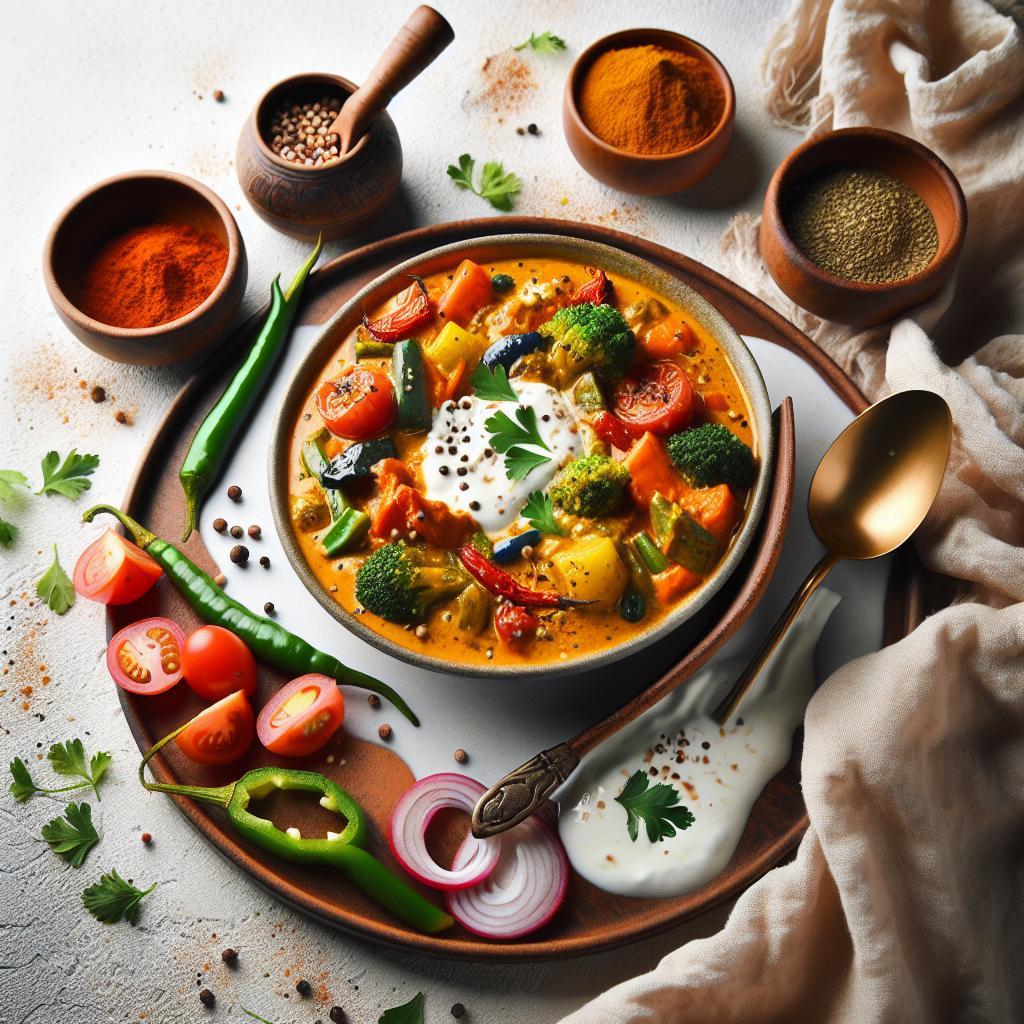

In the vibrant tapestry of Indian cuisine, where spices dance and aromas tell stories, yogurt emerges as more than just a humble ingredient-it is the creamy cornerstone that transforms ordinary curries into culinary masterpieces. Beyond its tangy flavor and velvety texture, yogurt acts as a gentle alchemist, balancing fiery heat, tenderizing meats, and enriching sauces with a luscious smoothness that captures the very essence of comfort and tradition. Join us as we delve into the creamy culture of Indian kitchens and uncover how this modest dairy delight plays an essential role in crafting the soulful, aromatic curries beloved across the subcontinent.
Creamy Culture: Yogurt’s Essential Role in Indian Curries
Creamy Culture: Yogurt’s Essential Role in Indian Curries is much more than a simple ingredient; it acts as the soul that elevates every dish with its velvety texture and delicate tang. When incorporated skillfully, yogurt unlocks the magic behind the aromatic complexity and tender consistency that define traditional Indian curries, making each bite a harmonious blend of flavor and comfort.
Prep and Cook Time
- Preparation Time: 15 minutes
- Cook Time: 35 minutes
- Total Time: 50 minutes
Yield
Serves 4 generous portions
Difficulty Level
Medium – perfect for home cooks looking to deepen their Indian culinary repertoire
Ingredients
- 1 cup plain whole-milk yogurt (room temperature, well-whisked)
- 2 tbsp ghee or vegetable oil
- 1 large onion, finely chopped
- 4 garlic cloves, minced
- 1-inch piece of ginger, grated
- 2 medium tomatoes, pureed
- 1 tsp cumin seeds
- 1 tsp coriander powder
- ½ tsp turmeric powder
- 1 tsp garam masala
- 1 tsp red chili powder (adjust to taste)
- 2 cups cooked chickpeas (or substitute with tender paneer cubes or vegetables)
- Salt to taste
- Fresh coriander leaves for garnish
- Water or broth as needed for consistency
Instructions
- Temper the spices: Heat ghee or oil over medium heat in a heavy-bottomed pan. Add cumin seeds and sauté until they begin to sizzle and release their aroma, about 30 seconds.
- Sauté aromatics: Add chopped onions and cook until golden brown, about 7-8 minutes, stirring frequently to avoid burning. Add garlic and ginger, cooking for another 2 minutes until fragrant.
- Build the base: Stir in pureed tomatoes, coriander, turmeric, red chili powder, and salt. Cook the mixture until oil separates from the masala and the base thickens, about 10-12 minutes. This step deepens flavor, so patience is key.
- Incorporate yogurt: Gradually whisk the room-temperature yogurt in a small bowl to prevent curdling. Lower heat to low, then slowly add the yogurt to the masala base in small portions, stirring continuously to create a smooth, creamy consistency.
- Add main ingredient: Fold in cooked chickpeas or your chosen substitute. Stir gently to coat evenly with the rich yogurt-spice blend.
- Simmer to perfection: Pour in ½ to 1 cup of water or broth to adjust consistency, then cover and simmer on low heat for 15 minutes. This tenderizes the chickpeas while allowing flavors to meld harmoniously.
- Finish with garam masala: Sprinkle garam masala over the curry and stir just before turning off the heat. This final layer adds warmth and complexity.
- Garnish and serve: Top with chopped fresh coriander leaves and serve hot with basmati rice or warm naan for a soulful meal that celebrates the creamy culture of yogurt-infused Indian curries.
Tips for Success with Creamy Culture: Yogurt’s Essential Role in Indian Curries
- Room Temperature Yogurt: Always bring yogurt to room temperature and whisk it thoroughly before adding. This step prevents curdling and ensures smooth integration.
- Low and Slow: Introduce yogurt slowly over low heat and never boil the curry vigorously after yogurt is added to maintain a silky texture.
- Substitutions: Whole-milk yogurt imparts the richest taste; however, Greek yogurt can be used in moderation for a creamier, thicker curry.
- Flavor Boost: Toasting whole spices beforehand can deepen the aroma, enriching the overall flavor profile.
- Make Ahead: This curry tastes even better the next day as the flavors marry more deeply. Reheat gently without bringing it to a hard boil.
Serving Suggestions
For a visually stunning and palate-pleasing presentation, serve this curry steaming hot in a rustic earthen bowl, garnished with a sprinkle of chopped fresh coriander and a swirl of extra yogurt on top. Pair with fragrant basmati rice or soft garlic naan to soak up every luscious drop. Accompany with a side of crisp cucumber raita or tangy mango chutney for contrast and brightness.
| Nutrient | Per Serving |
|---|---|
| Calories | 320 kcal |
| Protein | 14 g |
| Carbohydrates | 35 g |
| Fat | 12 g |
Explore more about layering spices in Indian cooking for an even richer culinary experience. For deeper insight into health benefits, visit Healthline’s yogurt benefits.

Q&A
Q&A: Creamy Culture – Yogurt’s Essential Role in Indian Curries
Q1: Why is yogurt considered a cornerstone ingredient in Indian curries?
A: Yogurt is far more than a creamy addition; it’s a culinary cornerstone that transforms Indian curries. Its rich, tangy profile balances spices, tenderizes meats, and lends a luxurious texture that elevates even the simplest dishes to soulful comfort food. Yogurt’s live cultures also aid digestion, making it a functional and flavorful staple in Indian kitchens.
Q2: How does yogurt influence the taste and texture of Indian curries?
A: Yogurt introduces a subtle tanginess that harmonizes with India’s bold spices, cutting through heat and creating a mellow, complex flavor. Texturally, it brings creaminess without heaviness, contrasting with fiery, robust components. The gentle acidity helps break down proteins in meats, rendering them tender and succulent, while thickening the curry sauce beautifully.
Q3: What are some traditional Indian curries where yogurt plays a starring role?
A: Iconic dishes like Chicken Korma, Dahi Chicken, and Kadhi rely heavily on yogurt. In Korma, yogurt’s richness blends with nuts and cream to create an opulent sauce. Kadhi showcases yogurt’s tang in a spiced gram flour-based curry, often paired with pakoras. Even raitas, cooling yogurt-based condiments, complement spicy curries, showcasing yogurt’s versatile presence across the meal.
Q4: Can yogurt be used in Indian curries as a marinade?
A: Absolutely! Yogurt marinades are legendary in Indian cuisine. The lactic acid and enzymes tenderize meat gently while infusing it with nuanced flavors from accompanying spices. This method ensures juicy, flavorful results when grilling or slow-cooking, as seen in classics like Tandoori Chicken and Bhuna Gosht, where yogurt forms a flavorful, tender base.
Q5: Are there any cultural or regional variations in how yogurt is incorporated into curries?
A: Certainly. Northern Indian cuisine often uses full-fat yogurt for creamy richness, while southern regions might employ thinner buttermilk or tangier varieties in dishes like Mor Kuzhambu. Some communities add yogurt at different stages-either during cooking for depth or at serving for a fresh tang-reflecting diverse culinary philosophies steeped in history.
Q6: How does modern cooking embrace yogurt in Indian curries?
A: Contemporary chefs creatively weave yogurt into fusion curries, sometimes substituting dairy with plant-based yogurts to cater to vegan diets, preserving texture and tang. Yogurt is also paired with unusual spices or blended into chutneys that accompany curries-highlighting its enduring adaptability and essential role in evolving culinary traditions.
Q7: What tips should home cooks keep in mind when using yogurt in curry preparation?
A: To avoid curdling, temper yogurt by gradually mixing it with warm curry sauce before incorporating fully. Use fresh, good-quality yogurt for optimal flavor and texture. Also, add yogurt towards the end of cooking to maintain its creamy consistency and probiotic benefits. Experiment with thickness-strained yogurt can thicken sauces, while thinner versions add a light tang.
Yogurt’s journey through Indian curries is a captivating blend of culture, chemistry, and taste-a timeless ingredient that nurtures both body and soul with every luscious, spiced bite.
Wrapping Up
As the vibrant aromas of Indian spices dance in the kitchen, it is the humble dollop of creamy yogurt that weaves its magic-balancing heat, enriching textures, and deepening flavors. This unassuming ingredient is much more than a cooling companion; it is an essential thread in the rich tapestry of Indian curries, carrying centuries of tradition and culinary wisdom. Next time you savor a velvety curry, remember that behind its luscious smoothness lies yogurt’s timeless role-a creamy culture that continues to shape and elevate the heart of Indian cuisine.