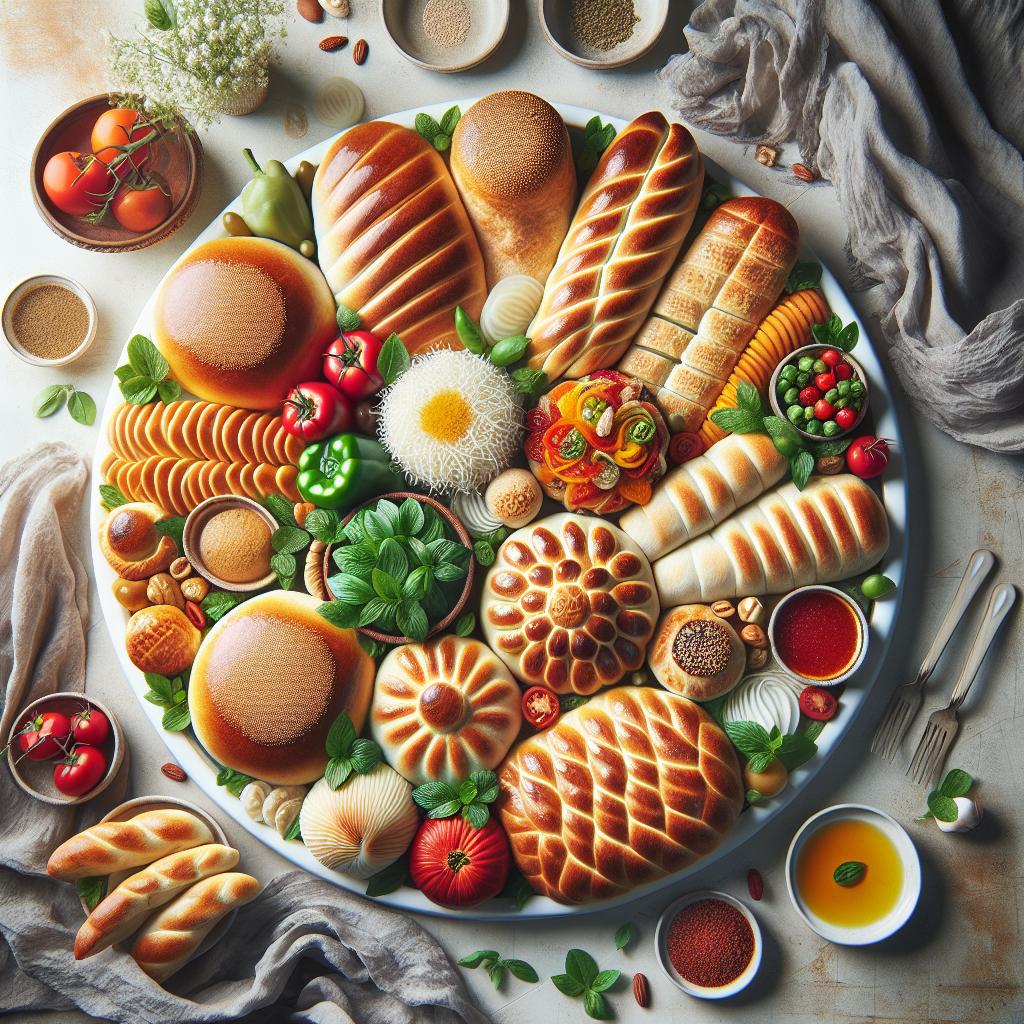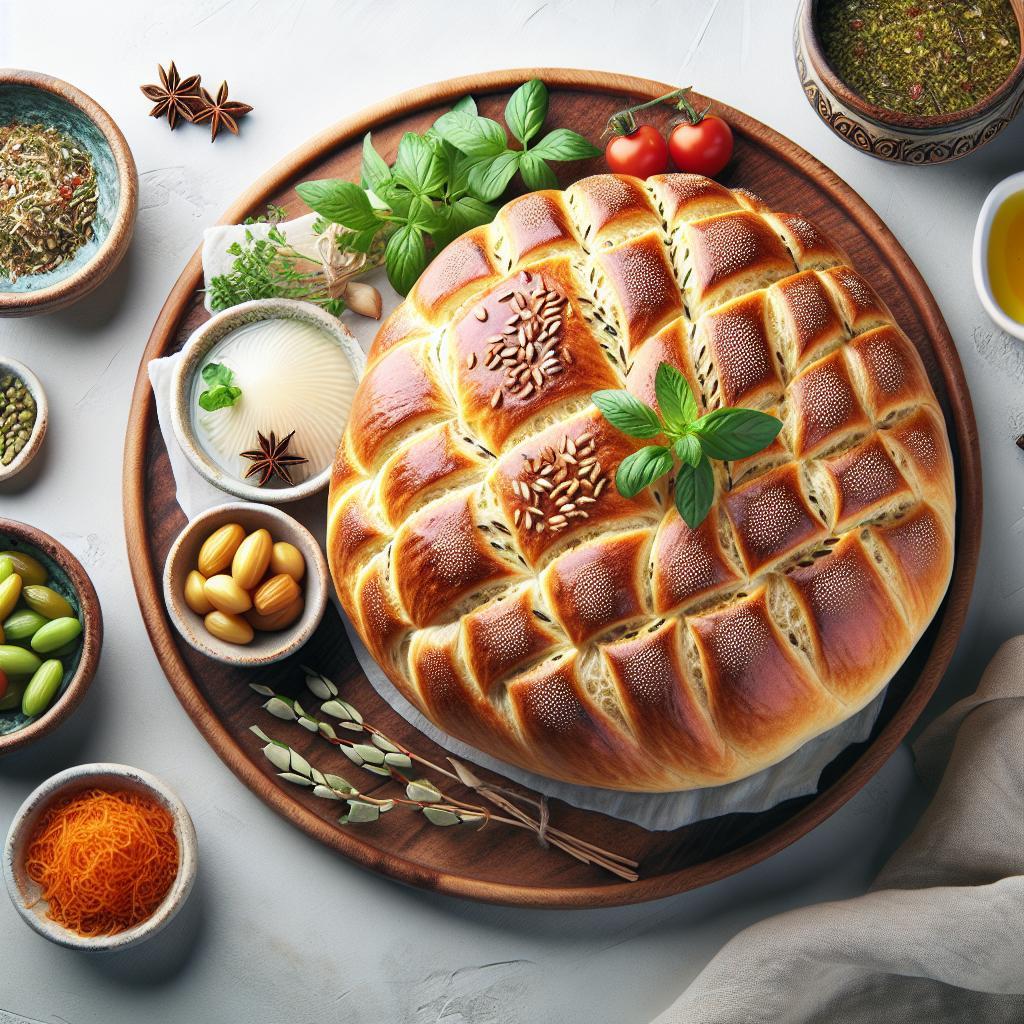

Bread, often called the staff of life, holds a cherished place in cultures worldwide-but few traditions celebrate it with the rich history and variety found in Persia. Exploring Persian bread is like embarking on a flavorful journey through time and tradition, where each loaf tells a unique story baked with heritage and heart. From the crisp, paper-thin lavash to the aromatic, herb-studded barbari, Persian breads offer not just sustenance but a sensory adventure. In this article, we’ll unwrap the layers of Persia’s bread culture, discovering the textures, tastes, and techniques that have made these breads beloved staples at countless tables for centuries. Prepare to savor the artistry behind every bite as we delve into the delicious world of Persian bread.
Exploring Persian Bread: A Tasty Journey Through Types reveals the deep-rooted culinary artistry behind some of the most cherished flatbreads in Persian cuisine. These breads are more than mere accompaniments; they are edible stories, woven from centuries of cultural heritage and distinctive baking techniques. Each bite offers a taste of history, flavor, and tradition that has been lovingly passed from generation to generation.
Prep and Cook Time
- Preparation: 15 minutes
- Resting/Dough rising: 1-1.5 hours
- Cooking: 10-15 minutes per batch
- Total Time: Approximately 1 hour 45 minutes to 2 hours
Yield
Yields 8 servings (8 medium-sized Persian flatbreads)
Difficulty Level
Medium – perfect for adventurous home bakers ready to explore authentic techniques without specialized ovens.
Ingredients
- 3 cups all-purpose flour, sifted
- 1 ½ tsp active dry yeast
- 1 tsp sugar
- 1 tsp salt
- 1 cup warm water (110°F / 43°C)
- 2 tbsp plain yogurt (for tenderness)
- 2 tbsp olive oil or melted butter (plus more for brushing)
- 1 tsp nigella seeds or sesame seeds (optional, for garnish)
Instructions
- Activate the yeast: In a small bowl, combine warm water, sugar, and yeast. Stir gently and let it sit for 10 minutes until frothy.
- Prepare the dough: In a large mixing bowl, whisk together flour and salt. Add the yogurt, olive oil, and the activated yeast mixture.
- Knead: Using your hands or a stand mixer fitted with a dough hook, knead the dough for 8-10 minutes until it’s smooth, elastic, and slightly tacky but not sticky.
- First rise: Form the dough into a ball and place it in a lightly oiled bowl. Cover with a damp cloth or plastic wrap and let it rise in a warm place for 1 to 1.5 hours, until doubled in size.
- Divide and rest: Punch down the dough and divide into 8 equal portions. Roll each into a smooth ball. Cover and let rest for 15 minutes to relax the gluten.
- Shape the breads: On a lightly floured surface, roll each dough ball into an oval or round shape about ¼-inch thick. Use your fingers to create the characteristic dimples by pressing gently but firmly all over the surface.
- Garnish: Brush lightly with water or oil and sprinkle with nigella or sesame seeds for authentic flavor and beautiful contrast.
- Cook the bread: Heat a heavy skillet or cast-iron pan over medium-high heat. Cook each bread for 2-3 minutes on each side, or until golden brown spots appear and the bread puffs slightly.
- Serve warm: Brush with melted butter if desired and enjoy fresh, ideally accompanied by traditional Persian dips or stews.
Tips for Success
- Ensure your yeast is fresh and water is not too hot to avoid killing the yeast.
- If the dough is too sticky, sprinkle a little more flour-but sparingly-to keep the bread soft and tender.
- Don’t rush resting times; allowing the dough to rest helps develop flavor and a tender crumb.
- For a smokier flavor, consider baking the bread briefly on a hot pizza stone or traditional tandoor if you have access.
- Make-ahead: Dough can be refrigerated overnight in an airtight container; bring to room temperature before shaping.
Serving Suggestions
Persian breads pair beautifully with hearty stews like Khoresh Ghormeh Sabzi or delicate spreads such as mast-o-khiar (yogurt with cucumber). Try tearing warm bread and dipping it into fragrant herb-infused olive oil or topping it with feta, fresh herbs, and a drizzle of pomegranate molasses for an irresistible starter. Fresh herbs like mint and tarragon elevate both taste and presentation, while a scattering of colorful seeds adds authentic visual appeal.

| Nutritional Info (per serving) | Calories | Protein | Carbs | Fat |
|---|---|---|---|---|
| Persian Bread | 150 | 5 g | 28 g | 3 g |
For more insights on Persian culinary traditions, explore this resource from Britannica.
Q&A
Q&A: Exploring Persian Bread – A Tasty Journey Through Types
Q1: What makes Persian bread unique compared to other breads around the world?
A1: Persian bread stands out for its rich history, delicate textures, and the artful blend of simple ingredients like flour, water, salt, and yeast. Unlike many Western breads, Persian breads often emphasize both soft, airy interiors and crisp, golden crusts, reflecting centuries of culinary tradition and regional diversity across Iran.
Q2: Can you name some popular types of Persian bread and their distinctive features?
A2: Absolutely! The most iconic include Sangak, a whole wheat flatbread baked on hot stones giving it a rustic bubbly surface; Barbari, a thick, elongated bread known for its crisp crust and oily sheen from a sesame and nigella seed topping; Lavash, an ultra-thin, pliable flatbread perfect for wrapping; and Taftoon, a soft, slightly chewy round bread baked in a tandoor oven.
Q3: How is Persian bread typically enjoyed in daily meals?
A3: Persian bread is foundational to every meal, often scooping up dips like mast-o-khiar (yogurt with cucumber), accompanying stews, or simply enjoyed with cheese and fresh herbs. It’s both a utensil and a partner, weaving itself into the tapestry of Iranian culinary culture.
Q4: Does Persian bread have any cultural or symbolic significance?
A4: Yes! Bread in Persian culture symbolizes sustenance and hospitality. Offering freshly baked bread is an act of generosity, and wasting it is considered disrespectful. Some breads, like Barbari, are even linked to particular regions or festivals, highlighting their cultural importance beyond just taste.
Q5: How can someone outside Iran experience authentic Persian bread at home?
A5: While replicating traditional ovens might be tricky, home cooks can experiment by using cast iron griddles or pizza stones to mimic the texture of Sangak or crafting the airy Barbari with a well-fermented dough. Many Persian recipes are accessible online, encouraging enthusiasts to embark on their own flavorful bread journeys.
Q6: Why should food lovers explore Persian bread?
A6: Because each slice is a gateway to Iran’s vibrant history, diverse regions, and warm hospitality. From the nutty, rustic Sangak to the delicate, foldable Lavash, exploring Persian bread is more than tasting-it’s experiencing a culture kneaded into every crumb.
Final Thoughts
As we pull our journey through the rich, fragrant world of Persian bread to a close, it’s clear that each loaf and flatbread tells a story-woven from centuries of tradition, culture, and culinary artistry. From the crisp, sesame-speckled sangak baked on hot stones to the tender softness of barbari, these breads do more than accompany meals; they are edible bridges connecting past and present. Whether you find yourself at a bustling street market in Tehran or crafting your own dough at home, exploring Persian bread invites you to taste history with every bite. So next time you break bread, remember – you’re not just savoring a staple, but indulging in a timeless journey of flavor and heritage.