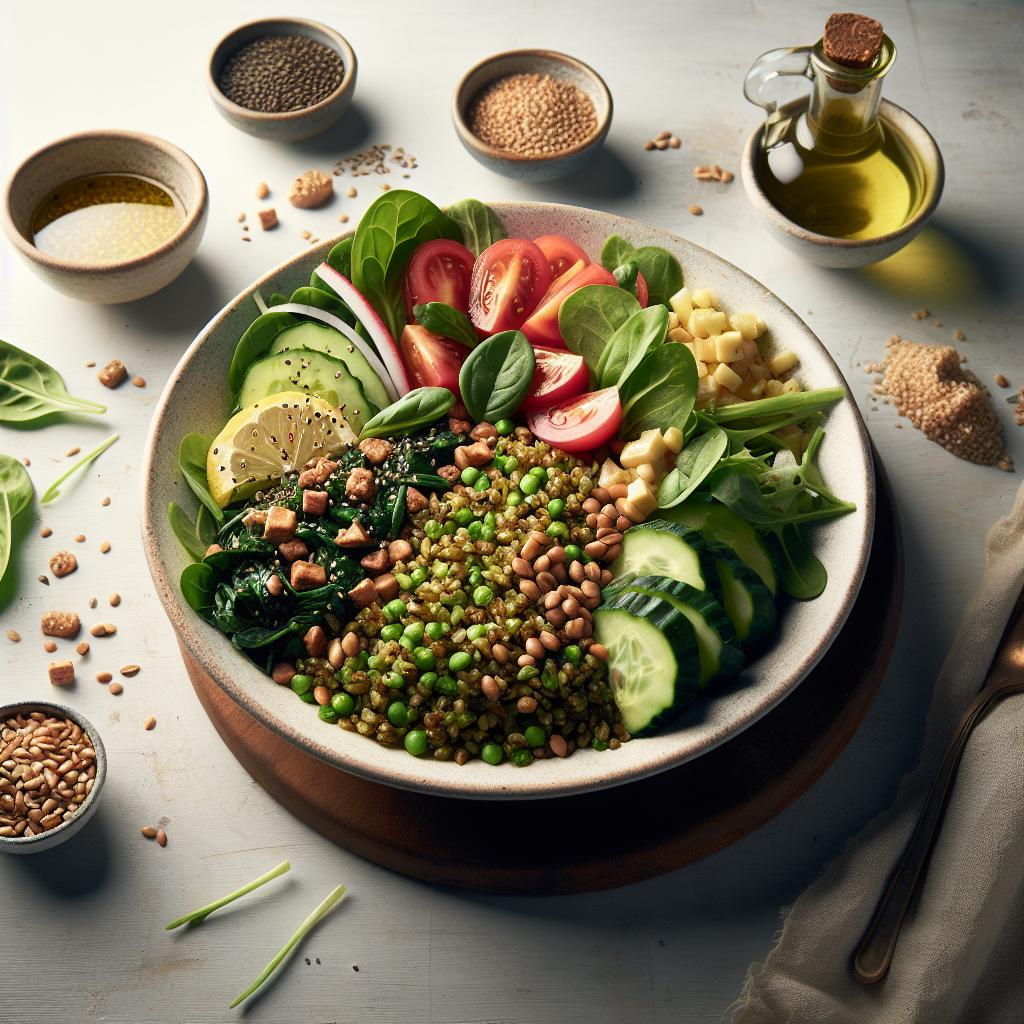

In the vast, ever-evolving world of superfoods, a humble grain is quietly reclaiming its ancient spotlight-freekeh. Often overshadowed by its trendier cousins like quinoa and chia, this roasted green wheat carries a story as rich and layered as its smoky flavor. “Freekeh Uncovered: The Roasted Green Wheat Supergrain Explained” invites you on a journey into the heart of a time-honored grain, unveiling its centuries-old origins, nutritional powerhouse qualities, and versatile culinary magic. Whether you’re a health enthusiast, a curious cook, or simply someone eager to expand your pantry horizons, get ready to discover how freekeh is poised to become the next superstar on your plate.
Freekeh Uncovered: The Roasted Green Wheat Supergrain Explained
Freekeh, a roasted green wheat supergrain, offers a culinary experience that invites you to explore its ancient yet revitalizing qualities. Its nutty aroma and uniquely chewy texture make it a versatile staple, deeply rooted in Middle Eastern traditions and now reimagined for modern kitchens worldwide.
Prep and Cook Time
Preparation: 10 minutes | Cooking: 25 minutes | Total Time: 35 minutes
Yield
4 servings
Difficulty Level
Easy to Medium
Ingredients
- 1 cup freekeh, rinsed and drained
- 2 ½ cups vegetable or chicken broth
- 1 small onion, finely chopped
- 2 cloves garlic, minced
- 2 tablespoons olive oil
- 1 teaspoon ground cumin
- Fresh parsley, chopped, for garnish
- Salt and freshly ground black pepper, to taste
- Optional: toasted pine nuts or slivered almonds for crunch
Instructions
- Prepare the freekeh: Place the rinsed freekeh in a fine mesh sieve and drain well. This removes any dust and optimizes texture.
- Sauté aromatics: Heat olive oil in a medium saucepan over medium heat. Add chopped onion and garlic, sauté until fragrant and translucent, about 5 minutes. Stir occasionally to prevent sticking.
- Toast the freekeh: Add the drained freekeh to the pan with onions. Stir constantly and toast gently for 2-3 minutes until the grain releases its nutty aroma.
- Add spices and broth: Sprinkle in the ground cumin and stir to coat the freekeh evenly. Pour in the broth, season with salt and pepper to taste, and bring to a boil.
- Simmer until tender: Reduce heat to low, cover the pan, and let simmer for 20-25 minutes or until the freekeh is tender but still chewy, and the liquid is absorbed. If needed, add a splash of water to finish cooking.
- Fluff and rest: Remove from heat and let it sit, covered, for 5 minutes. Then fluff gently with a fork to separate the grains.
- Garnish and serve: Transfer to a serving bowl, sprinkle with fresh parsley and optional toasted nuts for added texture and flavor.
Tips for Success
- For a deeper flavor, toast the freekeh in a dry pan for a few minutes before rinsing.
- If you can’t find fresh parsley, dried herbs or a squeeze of lemon juice can brighten the dish similarly.
- Freekeh can be prepared ahead and stored refrigerated up to 3 days; reheat gently with a splash of broth or water.
- Try swapping vegetable broth with chicken broth for a richer, heartier taste.
- Experiment by adding roasted vegetables or cooked legumes to transform it into a complete meal.
Serving Suggestions
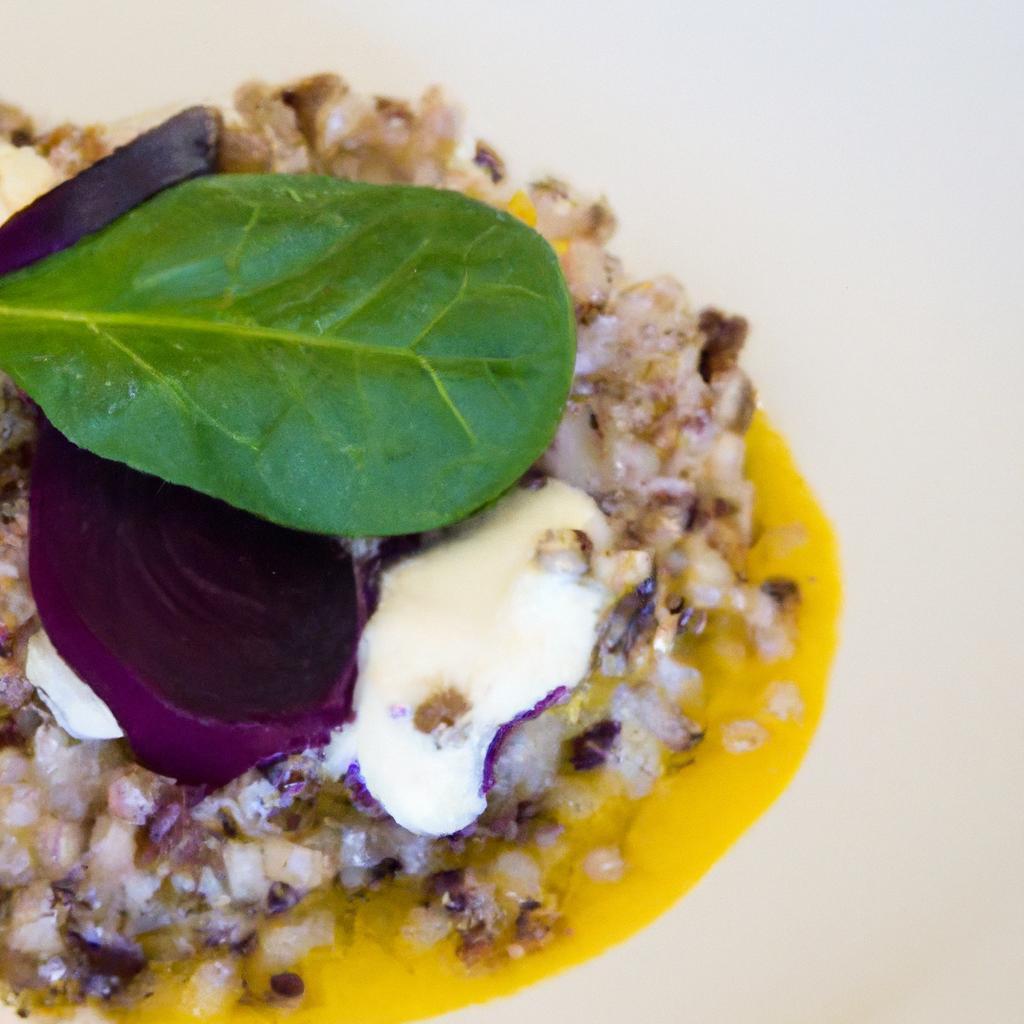
This roasted green wheat supergrain shines as a base for vibrant salads, a hearty side for grilled meats, or as a warm breakfast grain topped with nuts and a drizzle of honey. Pairing it with tangy yogurt or a dollop of labneh adds delightful creaminess, creating a balanced and satisfying plate. Garnish with freshly chopped herbs, lemon zest, or even pomegranate seeds for a pop of color and freshness.

| Nutrient | Per 100g Cooked |
|---|---|
| Calories | 150 kcal |
| Protein | 5 g |
| Carbohydrates | 30 g |
| Fat | 1.5 g |
| Fiber | 4 g |
Discover more wholesome grain recipes in our Supergrain Cooking Guide and explore additional nutritional insights at Nutrition.org.
Q&A
Q&A: Freekeh Uncovered – The Roasted Green Wheat Supergrain Explained
Q1: What exactly is freekeh?
A1: Freekeh is ancient wheat harvested while still green and soft, then roasted to perfection. This unique grain features a smoky aroma and a pleasantly nutty flavor, making it a nutritional and culinary superstar.
Q2: How does freekeh differ from regular wheat?
A2: Unlike fully ripened wheat, freekeh is picked young – which means it retains more nutrients and fiber. Its roasting process sets it apart, giving it a distinctive taste and chewy texture that regular wheat can’t match.
Q3: Why is freekeh called a “supergrain”?
A3: Freekeh boasts a wealth of health benefits: high protein content, rich in fiber, packed with minerals like iron and zinc, and low on the glycemic index. These qualities help support digestion, regulate blood sugar, and promote satiety.
Q4: Where did freekeh originate?
A4: Freekeh has roots deep in Middle Eastern history, dating back thousands of years. It was traditionally made by burning early-harvested wheat stalks, a practice passed down through generations that eventually evolved into the roasting technique used today.
Q5: How is freekeh typically prepared?
A5: Preparing freekeh is simple and versatile. Rinse it, then simmer like rice or quinoa. It can star in salads, soups, pilafs, or even replace rice or couscous as a wholesome side dish. Its chewy texture holds up beautifully in hearty recipes.
Q6: Can freekeh be used in gluten-free diets?
A6: Freekeh is derived from wheat, so it contains gluten and is not suitable for gluten-free diets. However, it’s an excellent option for those seeking nutrient-dense whole grains within gluten-containing meal plans.
Q7: What are some creative ways to enjoy freekeh?
A7: Let your culinary imagination soar! Try freekeh in grain bowls with roasted veggies, mix it into veggie burgers for added texture, or bake it into breads and muffins for a nutty twist. Its smoky notes can elevate both savory and sweet dishes.
Q8: Where can I find freekeh?
A8: Freekeh is becoming more widely available in health food stores, Middle Eastern markets, and online. Look for whole or cracked grains depending on your cooking preference.
Q9: How does roasting impact freekeh’s flavor and nutrition?
A9: Roasting enhances freekeh’s aroma and deepens its flavor, bringing out smoky, toasted notes that truly set it apart. Nutritionally, the gentle roasting process preserves vital nutrients, making freekeh both delicious and nourishing.
Q10: Why should I add freekeh to my pantry?
A10: Freekeh offers a tasty way to boost your meals with protein, fiber, and minerals while adding intriguing texture and flavor variety. Embracing this ancient supergrain connects you to centuries of food tradition with modern health benefits-a perfect fusion for today’s savvy eater.
Key Takeaways
As we close the chapter on freekeh, it’s clear this ancient grain is anything but old news. With its smoky aroma, hearty texture, and impressive nutritional profile, freekeh invites modern palates to rediscover a story centuries in the making. Whether sprinkled into salads, stirred into stews, or enjoyed as a wholesome side, this roasted green wheat supergrain carries the promise of tradition meeting taste-and health harmonized with history. So next time you’re seeking a grain that’s as nourishing as it is novel, let freekeh take center stage on your plate and unlock a world of flavor that’s both timeless and timely.