
In the world of French gastronomy, few dishes evoke the rustic charm and sophisticated indulgence quite like duck confit. This timeless culinary treasure, rooted in centuries of tradition, transforms humble duck legs into tender, flavorful morsels that melt effortlessly on the tongue. Mastering authentic duck confit is more than just a cooking technique-it’s an art of patience, precision, and passion. In this article, we’ll unravel the secrets behind this classic preparation, guiding you step-by-step through the preservation methods and slow-cooked magic that bring this storied delicacy from the heart of France directly to your kitchen. Prepare to embark on a savory journey that honors history and elevates your culinary repertoire.
Mastering Authentic Duck Confit opens a gateway to one of French cuisine’s most cherished traditions. This classic dish, rooted deeply in the southwest of France, offers an exquisite harmony of textures and flavors-a symphony of tender, slow-cooked duck bathed in its own flavorful fat, crowned with irresistibly crispy skin. The beauty of duck confit lies in its simplicity paired with technique, making every bite feel like a celebration of rustic elegance.
Prep and Cook Time
- Preparation: 20 minutes
- Marinating: 24 hours (minimum)
- Cooking: 2 to 3 hours
- Total Time: Approximately 27 hours (mostly inactive)
Yield
- Serves 4 people generously
Difficulty Level
- Medium – patience required but techniques are straightforward
Ingredients
- 4 duck legs, skin-on with thighs attached
- 3 tablespoons kosher salt
- 6 cloves garlic, smashed
- 2 teaspoons black peppercorns, lightly crushed
- 4 sprigs fresh thyme
- 2 bay leaves
- 2 cups duck fat, rendered (can substitute with clarified butter if necessary)
- Optional: 1 teaspoon crushed juniper berries for aromatic depth
Instructions
- Prepare the duck legs: Pat the duck legs dry. In a shallow dish, rub kosher salt evenly over each leg, then sprinkle with garlic, thyme, peppercorns, bay leaves, and juniper berries if using. Cover and refrigerate for at least 24 hours to cure. This step deeply seasons and tenderizes the meat.
- Preheat your oven to 225°F (110°C). Rinse off the marinade thoroughly under cold water and pat completely dry with paper towels. This ensures residual salt won’t overpower the dish.
- Gently warm the duck fat in a heavy-bottomed ovenproof pot or Dutch oven. Once melted but not hot, submerge the duck legs skin-side down. The legs should be completely covered with the fat to cook evenly.
- Bake uncovered in the oven for 2 to 3 hours, until the meat is sublimely tender and pulls away easily from the bone.
- Remove legs from fat and let them cool slightly. To crisp the skin, heat a skillet over medium-high heat and place the legs skin-side down. Cook without moving them for 5 to 8 minutes until the skin is a rich golden brown and crunchy.
- Serve immediately, or cool and store the duck submerged in the fat in an airtight container in the refrigerator for up to 2 weeks.
Tips for Success
- Salt cure timing: Don’t skip the 24-hour curing step; it’s essential for building flavor and ensuring moisture retention.
- Fat quality matters: Use the best quality duck fat for braising – it imparts a silky, rich texture and authentic flavor.
- Crispy skin hack: For extra crunch, finish under a broiler for 1-2 minutes watching closely, or crisp in a cast iron skillet.
- Make ahead: Duck confit is ideal for advance preparation and improves in flavor after resting a day submerged in fat.
- Substitutions: If duck fat is unavailable, use neutral oil with butter; however, this will slightly alter the traditional taste.
Serving Suggestions
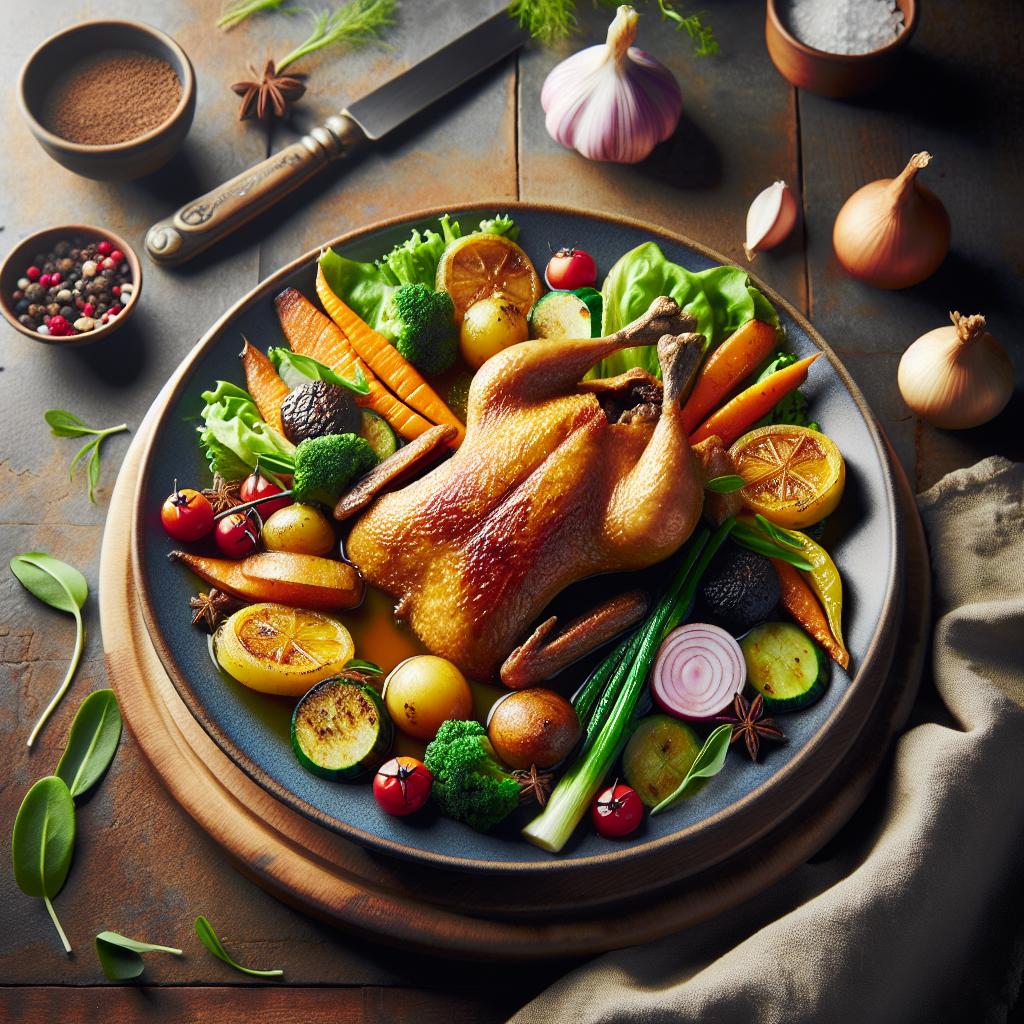
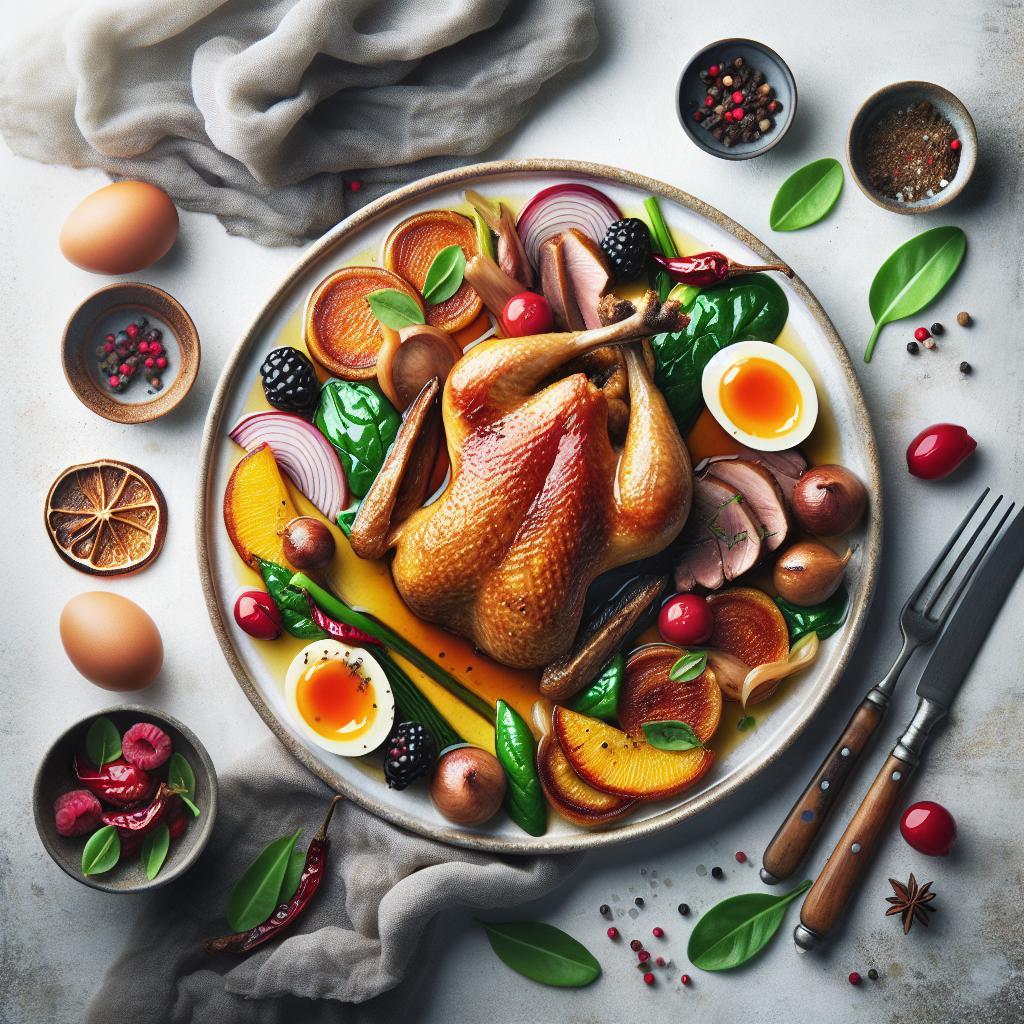
Plate your duck confit alongside classic accompaniments like garlic mashed potatoes, crispy sautéed greens, or a vibrant French lentil salad. Garnish with a sprig of thyme and a light drizzle of honey or tangy berry compote to highlight the savory richness. Pair with a robust red wine like a Bordeaux or a medium-bodied Pinot Noir to elevate the experience.
| Nutrient | Per Serving |
|---|---|
| Calories | 620 kcal |
| Protein | 42 g |
| Carbohydrates | 2 g |
| Fat | 48 g |
For those passionate about exploring traditional French cuisine further, check out our detailed guide on Mastering Ratatouille. To understand the heritage and precise techniques behind confit, the insightful resource from Fine Dining Lovers is a must-read.

Q&A
Q&A: Mastering Authentic Duck Confit: A Timeless French Delight
Q1: What exactly is duck confit, and why is it considered a French culinary treasure?
A1: Duck confit is a traditional French dish where duck legs are slowly cooked in their own fat until meltingly tender and then crisped to golden perfection. Originating from the southwestern region of France, this method of preservation dates back centuries, transforming humble duck into a luxurious, flavorful delight cherished by gourmands worldwide.
Q2: How does the confit cooking process work, and why is it so crucial to the dish’s signature taste?
A2: The magic lies in slow-cooking the duck legs submerged in duck fat at a low temperature, typically around 85°C (185°F), for several hours. This gentle poaching tenderizes the meat, infusing it with rich flavors while making it incredibly moist. Then, a final crisping step in a hot pan or oven reveals that irresistible, golden crust, balancing sumptuous softness with delightful crunch.
Q3: Can you walk us through the essential steps to master authentic duck confit at home?
A3: Absolutely! Start by curing your duck legs with salt, garlic, thyme, and sometimes a hint of pepper overnight to enhance flavor and tenderize. Next, rinse and dry the legs before submerging them in rendered duck fat. Slowly cook them at a low temperature for 2-4 hours until tender. Finally, remove and crisp the skin in a hot skillet to finish. Patience and attention to detail are your best allies!
Q4: What are some common mistakes to avoid when making duck confit?
A4: Overcooking or cooking at too high a temperature can dry out the meat, defeating the purpose of the confit method. Skipping the curing stage might lead to less flavorful duck. Also, not crisping the skin at the end means missing that essential texture contrast. Lastly, using inferior duck fat or neglecting to keep the legs fully submerged during cooking can impact both flavor and texture.
Q5: How can one serve duck confit to highlight its exquisite flavors?
A5: Duck confit pairs spectacularly with rustic, comforting sides like sautéed potatoes, garlicky green beans, or a fresh frisée salad tossed with a bright mustard vinaigrette. A glass of robust red wine, such as a Pinot Noir or Malbec, complements the rich flavors beautifully. Remember, simplicity is key-let the duck’s deep, savory notes shine.
Q6: Is duck confit a dish that can be prepared ahead of time?
A6: Yes! One of duck confit’s charms is its make-ahead nature. Once cooked, you can store the legs submerged in fat in the fridge for several weeks, or freeze for longer storage. Simply crisp the skin just before serving. This makes confit perfect for entertaining or busy weeknight dinners.
Q7: Can other meats be cooked confit-style?
A7: Indeed! While duck confit is the classic, the confit technique applies beautifully to other meats like pork, chicken, and even vegetables. The principle remains the same-slow-cooked in fat at low temperatures for exquisite tenderness and flavor. Each variation brings its unique charm while honoring this timeless culinary tradition.
Mastering duck confit is a journey into the heart of French gastronomy-a perfect blend of technique, patience, and appreciation for rich, soulful flavors. Whether you’re a seasoned chef or adventurous home cook, this timeless delight promises a rewarding and delicious experience. Bon appétit!
Concluding Remarks
As the rich aroma of perfectly rendered duck fat lingers and the tender meat melts effortlessly on your palate, mastering authentic duck confit reveals itself not just as a cooking skill, but as a celebration of timeless French culinary artistry. With patience, precision, and a touch of passion, you’ve unlocked a dish that transcends mere sustenance-transforming humble ingredients into an enduring delight. Whether served at a cozy family table or an elegant soirée, duck confit invites you to savor history, tradition, and flavor in every bite. Now, armed with these insights and techniques, your kitchen is ready to breathe new life into this classic masterpiece-one succulent leg at a time.