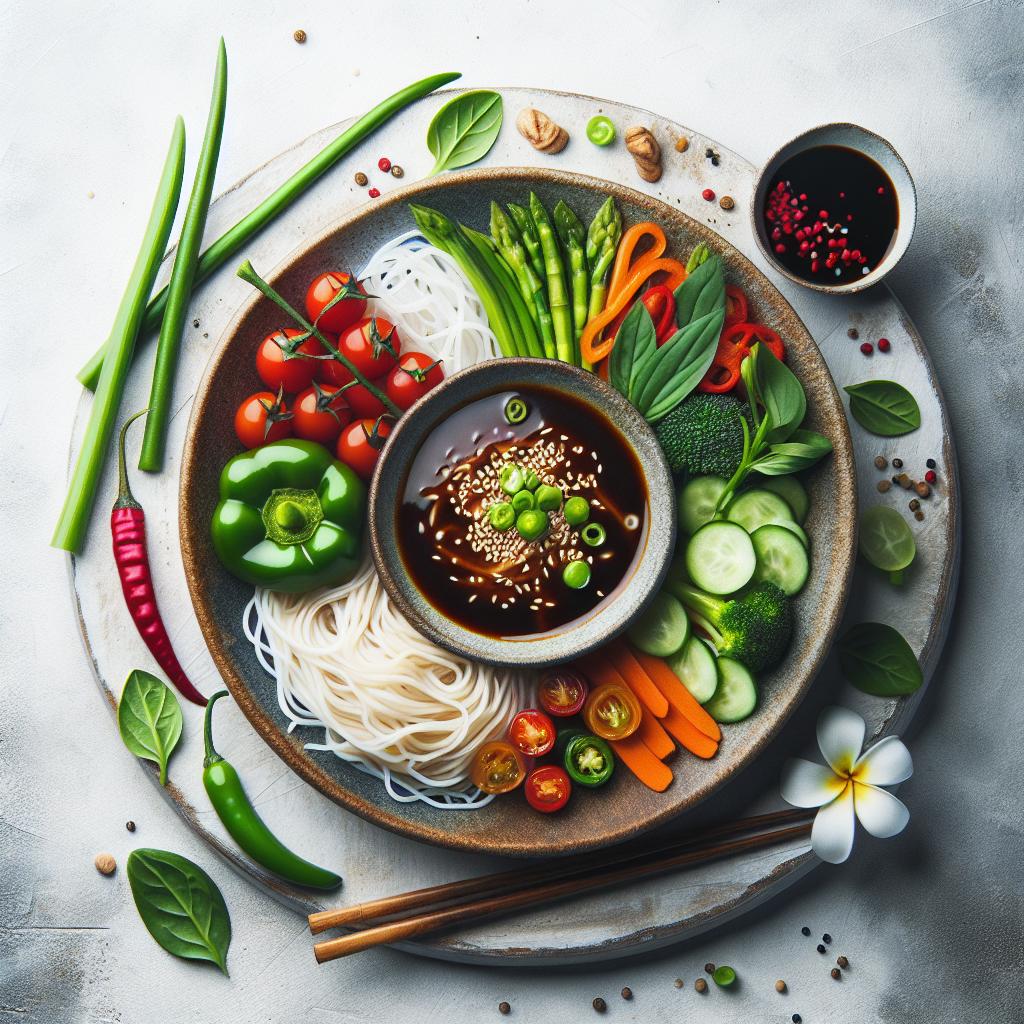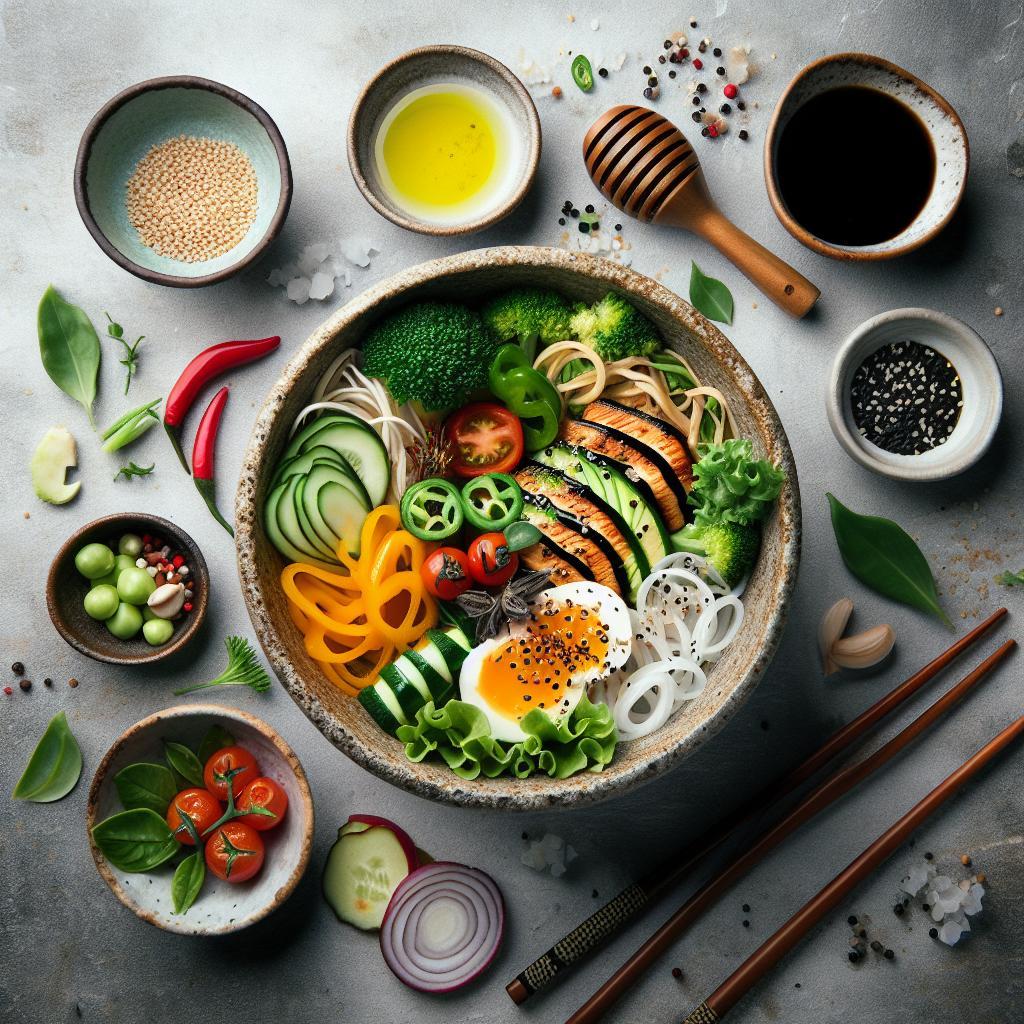

In the vibrant world of Japanese cuisine, sauces are the unsung heroes that elevate every dish from simple to spectacular. Among these culinary gems, Motodare stands out as the essential base sauce-a harmonious blend of flavors that serves as the foundation for countless recipes. Whether you’re a seasoned chef or a curious home cook, understanding Motodare unlocks the secret to achieving that perfect balance of sweet, savory, and umami notes. In this article, we’ll unveil the origins, ingredients, and versatile uses of Motodare, revealing why this humble sauce is truly the cornerstone of authentic Japanese cooking. Prepare to embark on a flavorful journey that will transform your kitchen creations forever.
Motodare is a cornerstone of Japanese flavor profiles, quietly enhancing dishes with its robust, umami-rich harmony. Rooted deeply in traditional Japanese grilling culture, this essential base sauce brings a perfect balance of savory, sweet, and tangy notes that elevate any dish it touches. Whether drizzled over yakitori or used as a marinade, crafting your own motodare unlocks layers of authentic taste and versatility in your culinary repertoire.
Prep and Cook Time
Preparation: 10 minutes | Cooking: 15 minutes | Total Time: 25 minutes
Yield
Makes approximately 1 cup (240 ml) of motodare sauce, enough for 4-6 servings depending on usage.
Difficulty Level
Easy – Perfect for home cooks looking to explore authentic Japanese sauces with confidence.
Key Ingredients That Define the Authentic Motodare Flavor
- ½ cup soy sauce – The salty, umami backbone of the sauce
- ¼ cup mirin – Adds natural sweetness and a subtle tang
- 2 tablespoons sake – Brings depth and a gentle acidity
- 2 tablespoons sugar – Balances the saltiness with sweetness
- 1 garlic clove, finely minced – Adds aromatic warmth
- 1 teaspoon fresh grated ginger – Offers a mild spicy brightness
- Optional: 1 teaspoon toasted sesame oil – For added nuttiness and complexity
Step-by-Step Guide to Crafting Your Own Motodare Base Sauce
- Combine the liquids: In a small saucepan, pour ½ cup soy sauce, ¼ cup mirin, and 2 tablespoons sake. Stir gently to blend the flavors.
- Add the sweetness: Sprinkle in 2 tablespoons sugar. Heat the mixture over medium heat, stirring until the sugar fully dissolves, about 3-5 minutes.
- Enhance with aromatics: Stir in finely minced garlic and grated ginger. Simmer gently for 5-7 minutes to marry the flavors without burning the garlic.
- Simmer and reduce: Lower the heat and let the sauce reduce slightly, thickening it to a syrupy consistency. Keep stirring occasionally to prevent scorching.
- Finish with optional richness: Remove from heat and whisk in 1 teaspoon toasted sesame oil for a fragrant finish, if desired.
- Cool and store: Pour the motodare into a clean jar. Store refrigerated for up to two weeks to allow flavors to deepen.
Expert Tips for Customizing Motodare to Elevate Any Dish
- Add a splash of rice vinegar for a sharper tang that brightens grilled meats.
- Incorporate finely chopped scallions or shiso leaves as a fresh herbaceous twist before serving.
- For spicier dishes, mix in a small dab of Japanese chili paste (rayu) or freshly grated wasabi.
- Use less sugar or substitute with honey or maple syrup for alternative sweetness profiles.
- Make extra to use as a dipping sauce for tempura, steamed vegetables, or even sushi rolls.
Serving Suggestions
Motodare shines when brushed generously over grilled chicken skewers (yakitori), imparting a glossy, caramelized finish. It also pairs beautifully as a marinade for tofu, pork belly, or eggplant before roasting. Serve with a sprinkle of toasted sesame seeds and chopped scallions to add texture and visual appeal. Consider presenting the sauce in a small bowl on the side for dipping, ensuring every bite bursts with authentic Japanese flavor.
| Nutritional Info (per 2 tbsp) | Calories | Protein | Carbs | Fat |
|---|---|---|---|---|
| Motodare Sauce | 45 | 3g | 8g | 0g |

Explore more traditional Japanese sauces on our Japanese Sauce Recipes page for inspired applications of this versatile condiment. For detailed insights on soy sauce and its varieties, visit Japan Guide – Soy Sauce Explained.
Q&A
Q&A: Motodare Unveiled – The Essential Base Sauce Explained
Q1: What exactly is Motodare?
A1: Motodare is the unsung hero of Japanese grilling and simmered dishes-a versatile base sauce that lays the flavorful foundation for countless recipes. It’s a harmonious blend of soy sauce, mirin, sake, sugar, and sometimes other ingredients, simmered to perfection. Think of it as the silent conductor orchestrating the symphony of tastes in your favorite dishes.
Q2: Why is Motodare considered essential in Japanese cooking?
A2: Motodare isn’t just a sauce; it’s the backbone of flavor. Its balanced sweet-savory profile enhances grilled meats, tempura dipping sauces, and even broths. By mastering Motodare, cooks unlock authentic, deep Japanese flavors that elevate simple ingredients into culinary masterpieces.
Q3: How does Motodare differ from other Japanese sauces like teriyaki or ponzu?
A3: While teriyaki sauce is often a thicker glaze with a more pronounced sweetness, and ponzu brings a tangy citrus punch, Motodare is the versatile “mother sauce.” It’s lighter and less sweet than teriyaki, with a subtle umami richness, making it the perfect base to customize or use directly in dishes.
Q4: Can you use Motodare for dishes beyond grilled meats?
A4: Absolutely! Motodare’s adaptable flavor profile shines in a variety of roles-from dipping sauces for tempura and vegetables to simmering broths for hot pots. It’s also fantastic as a marinade or finishing sauce, giving sushi rice bowls and stir-fries a lovely depth of flavor.
Q5: What’s the simplest way to make Motodare at home?
A5: The magic starts with combining soy sauce, mirin, sake, and a touch of sugar in a small pot. Bring it to a gentle simmer until the sugar dissolves and the flavors meld beautifully. From there, you can tweak sweetness or saltiness to suit your palate. The beauty lies in its simplicity and room for personal flair!
Q6: Does Motodare have any regional variations in Japan?
A6: Indeed! While the core ingredients remain consistent, regional takes introduce nuances-some add dashi for umami punch, others include ginger or garlic for warmth. These local twists reflect Japan’s rich culinary tapestry, turning Motodare into a personalized expression of place and tradition.
Q7: How should Motodare be stored, and how long does it last?
A7: Store Motodare in an airtight container in the refrigerator, where it can happily keep for up to two weeks. Because it lacks preservatives, fresh batches are best to maintain that vibrant balance of flavors. Always give it a good stir before use, and enjoy the ever-refreshing taste it brings to your dishes.
Q8: Why should home cooks invest time in making Motodare instead of buying pre-made sauces?
A8: Crafting Motodare from scratch empowers cooks to control the quality and flavor intensity, avoiding preservatives and excess additives found in store-bought versions. It’s a culinary rite-an invitation to connect with Japanese cooking traditions and elevate everyday meals with authentic taste.
Q9: Can Motodare be adapted for dietary preferences or restrictions?
A9: Yes! Use gluten-free tamari instead of soy sauce, reduce sugar or substitute with natural sweeteners, and adjust alcohol content by simmering longer or omitting sake if desired. This flexibility ensures everyone can experience Motodare’s magic tailored to their needs.
Q10: In one sentence, why is Motodare worth knowing?
A10: Because mastering Motodare unlocks the gateway to genuine Japanese flavors, transforming simple dishes into unforgettable culinary adventures with a single, sublime sauce.
In Conclusion
As we peel back the layers of Motodare, this essential base sauce reveals itself not just as a simple condiment, but as the flavorful heart of countless Japanese dishes. Understanding its composition and uses transforms everyday meals into culinary adventures, inviting both home cooks and seasoned chefs to experiment with balance, depth, and umami. Whether drizzled over grilled meats, stirred into broths, or used as a marinade, Motodare stands as a testament to the art of sauce-making-a foundation that elevates and unites flavors in harmony. So next time you reach for that bottle or whisk together your own, remember: you’re not just adding sauce, you’re embracing a vibrant tradition that brings every dish to life.