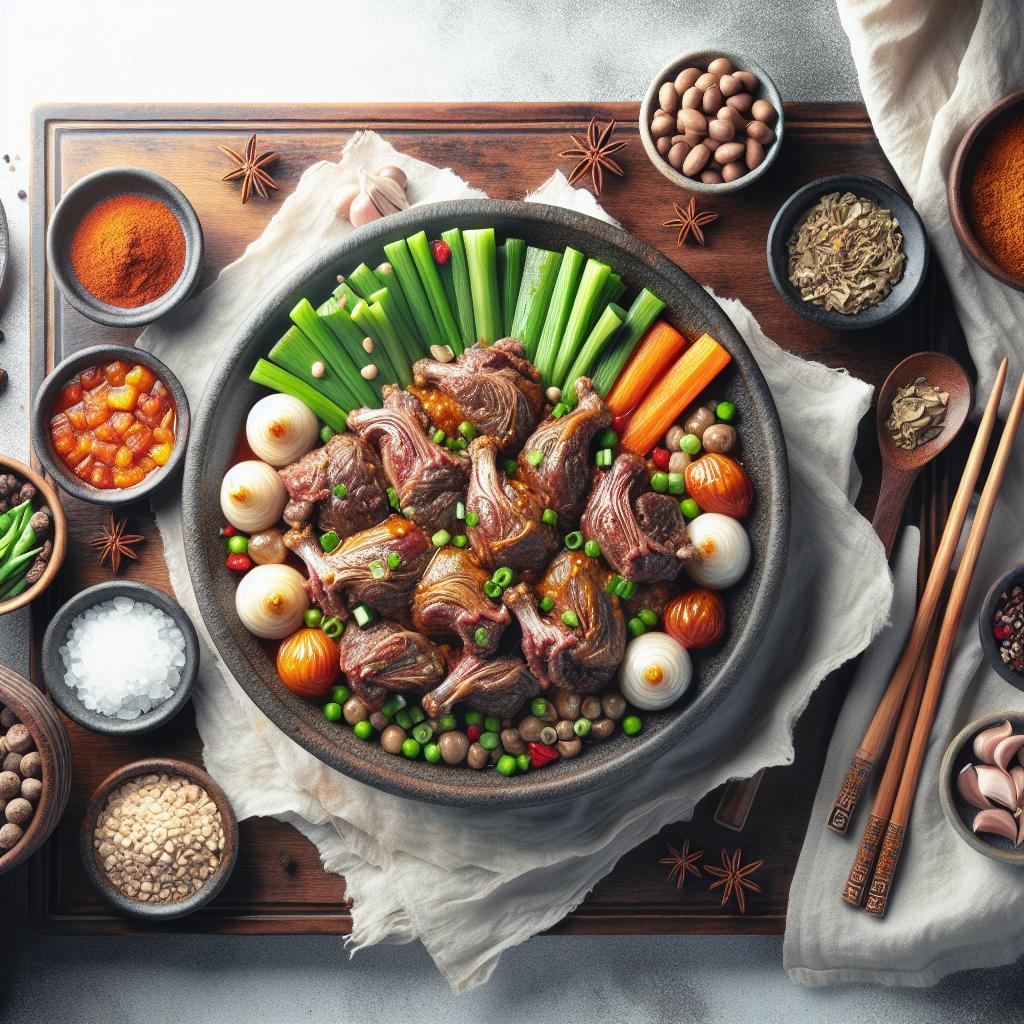

In the vast tapestry of Chinese cuisine, few dishes are as evocative and soul-stirring as Xinjiang cumin lamb. This culinary gem, hailing from the sun-kissed steppes and rugged mountains of China’s northwest, is a masterful celebration of bold spices, tender meat, and age-old traditions. Each bite tells a story-of nomadic herders, vibrant bazaars, and the harmonious blend of cultures that have shaped Xinjiang’s rich gastronomic heritage. In this article, we embark on a flavorful journey through the history, ingredients, and techniques that bring Xinjiang cumin lamb to life, inviting you to savor a tradition steeped in both history and heart.
The Art of Balancing Spices for an Authentic Flavor
Xinjiang cumin lamb is a culinary masterpiece that perfectly embodies the vibrant spice culture of China’s far western region. The Savoring Tradition: The Rich Flavors of Xinjiang Cumin Lamb begins with a delicate harmony of spices-primarily cumin, which acts as the dish’s aromatic cornerstone. This dish reflects centuries of cultural intermingling along the Silk Road, where robust flavors meet tender, fragrant lamb in a celebration of taste and history.
To capture that authentic aroma, the key lies in the balance: the warmth of toasted cumin seeds mingling with the gentle heat of chili flakes and the subtle sweetness of caramelized onions. Fresh garlic and ginger add pungency, while a pinch of Sichuan peppercorn elevates the profile with a unique tingling sensation. This blend of spices must be toasted gently to unlock their essential oils, imparting the signature nuttiness that defines the dish.
Selecting the Best Cuts of Lamb for Optimal Tenderness
Choosing the right cut is essential to creating a tender and juicy Savoring Tradition: The Rich Flavors of Xinjiang Cumin Lamb. Aim for boneless lamb shoulder or leg, as these cuts contain enough marbling to stay moist during high-heat cooking without becoming tough. The marbling ensures that each bite melts in your mouth, complementing the bold spices rather than being overwhelmed.
For an even more luxurious texture, cube the lamb into uniform pieces about one-inch square to promote even cooking and caramelization. Avoid lean cuts like lamb loin or leg steaks as they may dry out quickly under the intense stir-fry method typical of this dish.
Mastering Cooking Techniques to Enhance Aroma and Texture
Wok-frying or pan-searing the lamb at high heat is the secret to unlocking the rich depth of flavor that defines Savoring Tradition: The Rich Flavors of Xinjiang Cumin Lamb. Start by heating a heavy-bottom pan until shimmering, then add oil before the lamb. This ensures a beautiful sear that locks in juices and develops a golden crust.
Quickly stir-fry the lamb until just browned, then remove it to prevent overcooking. Next, toast your cumin seeds and chili flakes until fragrant before adding aromatics like garlic, ginger, and scallions. Return the lamb alongside soy sauce and a splash of Shaoxing wine or rice vinegar for brightness. This layering of flavors, combined with fast, high-heat cooking, results in a dish bursting with complexity and irresistible aroma.
Prep and Cook Time
- Preparation: 20 minutes
- Cooking: 15 minutes
- Total: 35 minutes
Yield
Serves 4 generously
Difficulty Level
Medium – requires careful spice handling and high-heat techniques
Ingredients
- 500g boneless lamb shoulder, cut into 1-inch cubes
- 2 teaspoons cumin seeds, toasted and crushed
- 1 teaspoon chili flakes (adjust to taste)
- 3 cloves garlic, finely minced
- 1 tablespoon fresh ginger, julienned
- 2 scallions, sliced into 1-inch pieces
- 1 medium onion, thinly sliced
- 2 tablespoons soy sauce
- 1 tablespoon Shaoxing wine or dry sherry
- 1 teaspoon Sichuan peppercorns, lightly crushed
- 3 tablespoons vegetable oil
- Salt to taste
Instructions
- Prepare the lamb: Pat the cubes dry with paper towels to ensure a good sear. Toss lightly with salt and half the cumin seeds.
- Heat the wok: Heat 2 tablespoons of oil on high until smoking slightly. Add lamb in batches to avoid overcrowding, stir-frying until deeply browned (about 4 minutes). Remove and set aside.
- Toast spices: In the same wok, add remaining oil if necessary. Add chili flakes, Sichuan peppercorns, and remaining cumin seeds; toast for 30 seconds until fragrant.
- Sauté aromatics: Add garlic, ginger, and onions. Stir-fry until onions soften and start to caramelize, around 5 minutes.
- Return lamb to wok: Add the browned lamb back in along with scallions, soy sauce, and Shaoxing wine. Stir quickly, cooking for another 2-3 minutes to meld flavors and ensure lamb is cooked through but still tender.
- Final seasoning: Taste and adjust salt or spice level as preferred. Remove from heat and let rest briefly before serving.
Tips for Success
- Toast spices gently to avoid bitterness – a light golden hue is perfect.
- Use a heavy-bottomed pan or wok to maintain consistent high heat.
- Don’t overcrowd the pan; this steams the meat instead of searing.
- Prepare all ingredients beforehand – this dish cooks very quickly.
- Make ahead: Spice mix can be prepared in advance and kept airtight for up to one week.
Serving Suggestions
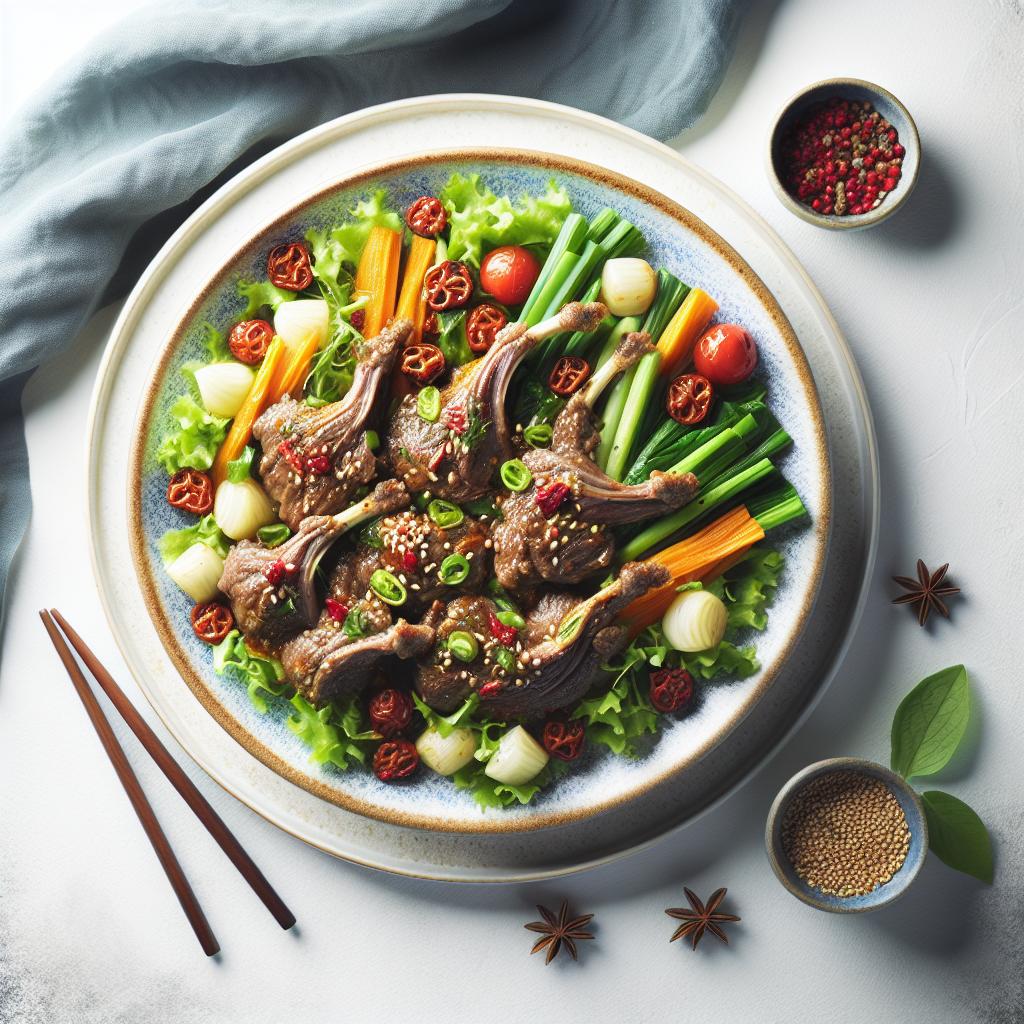
Transfer Xinjiang cumin lamb to a warm serving platter and garnish with fresh cilantro and extra toasted cumin seeds for a visual pop and enhanced aroma. Serve alongside fragrant steamed rice or hand-pulled Xinjiang noodles for a full experience. A crisp cucumber salad or lightly pickled vegetables offer refreshing contrast.
For authentic presentation, use a rustic clay plate or traditional Uyghur motifs to evoke the cultural origins of the dish in your dining setting.

| Nutrient | Per Serving |
|---|---|
| Calories | 450 kcal |
| Protein | 38 g |
| Carbohydrates | 6 g |
| Fat | 30 g |
For further culinary inspiration, explore our detailed guide on Traditional Chinese Spices or deepen your knowledge about the rich history of Uyghur cuisine on Britannica.
Q&A
Q&A: Savoring Tradition – The Rich Flavors of Xinjiang Cumin Lamb
Q1: What makes Xinjiang cumin lamb a unique and beloved dish?
A1: Xinjiang cumin lamb captivates food lovers with its bold, aromatic profile rooted deeply in the cultural tapestry of China’s far west. The dish marries tender, juicy lamb with the warm, earthy spice of cumin, creating a signature flavor that’s both rustic and vibrant. It’s not just food-it’s a sensory journey to the expansive deserts and lively bazaars of Xinjiang.
Q2: How did cumin become such a central spice in Xinjiang cooking?
A2: Cumin’s introduction to Xinjiang traces back to the Silk Road, where merchants and travelers exchanged not just goods, but culinary traditions. Its slightly nutty, smoky essence complemented the local nomadic flavors perfectly, embedding itself as a staple in lamb dishes, reflecting the region’s blend of Turkic and Uyghur influences.
Q3: What type of lamb is used, and why is it essential to the dish’s authenticity?
A3: The lamb used in Xinjiang cumin lamb often comes from sheep raised in the region’s high plateaus, where the animals graze on natural grasses and herbs, enriching the meat with a distinctive, gamey but clean taste. This local lamb enhances the authenticity, making the dish truly a product of its environment.
Q4: Can you describe the cooking method and how it enhances the dish’s flavors?
A4: The lamb is typically sliced thin and stir-fried quickly over high heat, often with generous amounts of cumin seeds, chili flakes, and sometimes fragrant onions or garlic. This rapid cooking seals in the lamb’s juices while allowing the spices to release their oils and aromas fully, resulting in a dish that’s intensely flavorful and texturally satisfying.
Q5: How does Xinjiang cumin lamb reflect the cultural identity of the region?
A5: More than a dish, cumin lamb is a cultural emblem. It embodies Xinjiang’s rich ethnic diversity and hospitality, often served during festive gatherings and communal meals. Each bite shares a story of heritage, resilience, and the melding of Central Asian and Chinese culinary traditions that define the region.
Q6: Are there variations of cumin lamb within Xinjiang or neighboring regions?
A6: Yes! While cumin lamb is a staple, variations exist depending on local tastes and ingredient availability. Some versions incorporate additional spices like Sichuan peppercorns for a numbing kick, or pair the lamb with hand-pulled noodles or flatbreads, showcasing the dish’s adaptability while maintaining its core flavors.
Q7: How can someone recreate the authentic taste of Xinjiang cumin lamb at home?
A7: Achieving authenticity at home involves sourcing quality lamb, ideally grass-fed, and fresh cumin seeds-not just ground cumin. Toast the cumin lightly to boost its aroma before stir-frying. Use high heat for quick cooking to preserve tenderness, and balance the flavors with garlic, chili, and a pinch of salt. Pair it with steamed rice or traditional naan-like bread for the full experience.
Q8: Why is savoring traditional dishes like Xinjiang cumin lamb important in today’s globalized food culture?
A8: In a world where culinary shortcuts and fusion are popular, savoring traditional dishes honors the history and craftsmanship behind them. Xinjiang cumin lamb is a delicious reminder of how food connects us to land, people, and stories-a vital thread in humanity’s diverse and flavorful fabric.
Concluding Remarks
As the aromatic smoke of cumin mingles with tender lamb in Xinjiang’s kitchens, we are reminded that cuisine is more than mere sustenance-it is a living tapestry of history, culture, and community. Savoring the rich flavors of Xinjiang cumin lamb is to taste centuries of tradition, a harmonious blend of nomadic heritage and vibrant spice routes that have shaped this iconic dish. Whether enjoyed in a bustling market or recreated in your own home, each bite invites you to connect with the heart of a region where culinary artistry tells stories as ancient as the Silk Road itself. In embracing these bold, savory notes, we not only delight our palates but also honor the enduring spirit of Xinjiang’s rich and flavorful legacy.