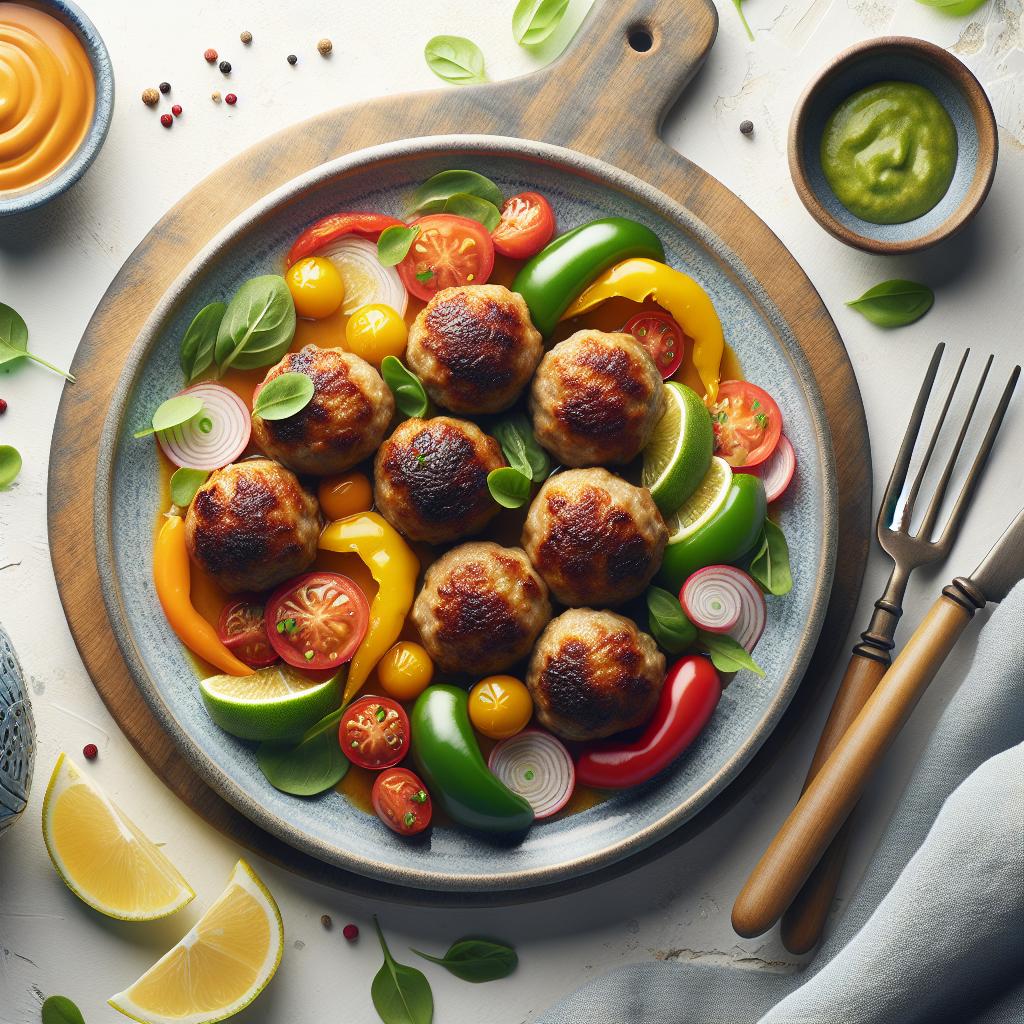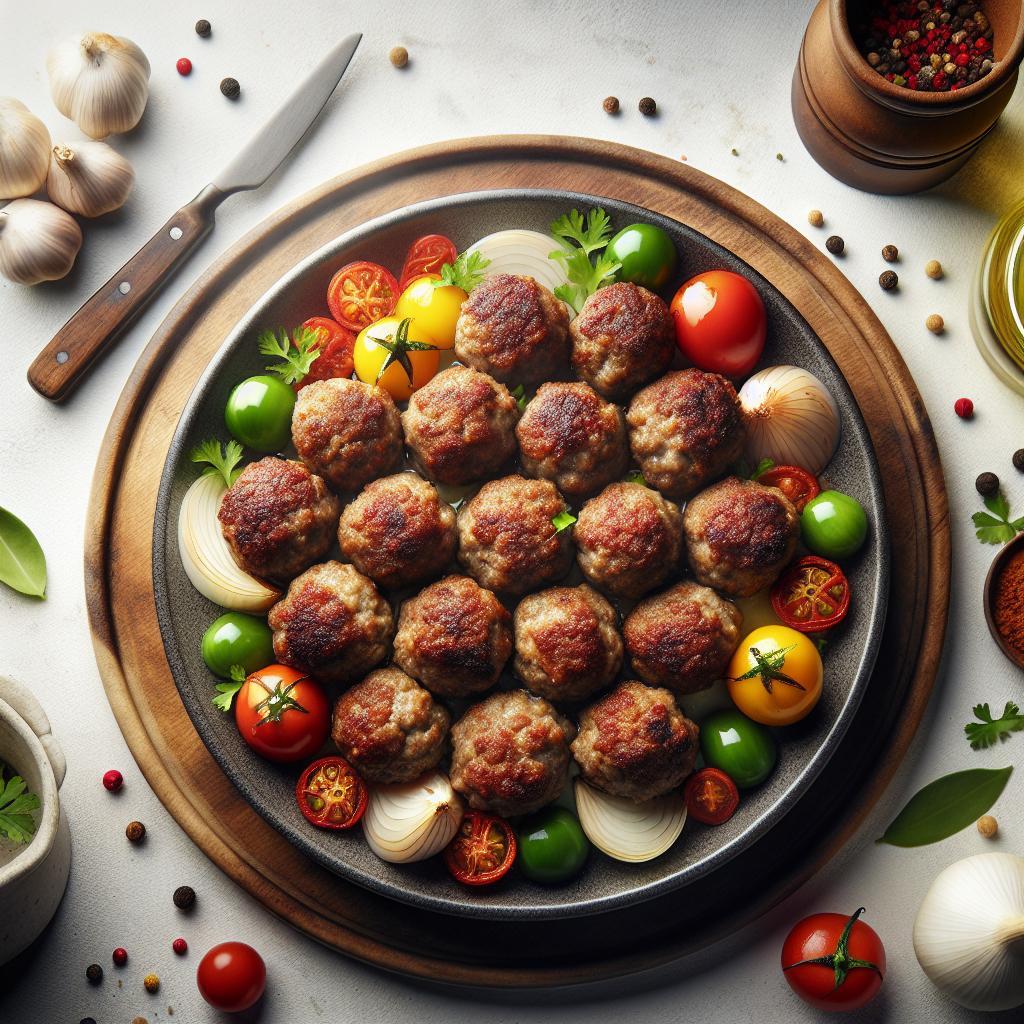

There’s few things as comforting as biting into a juicy, flavorful albóndiga-those tender meatballs that melt in your mouth and burst with savory goodness. But when your albóndigas turn out dry and hard, it’s a kitchen heartbreak. What went wrong? And more importantly, how can you fix it? Whether you’re a seasoned cook or a curious beginner, understanding the art and science behind perfect albóndigas can transform your meals from tough and crumbly to moist and delicious. In this article, we’ll unravel the common culprits behind dry, hard meatballs and share expert tips to help you achieve that tender, juicy bite every time. Get ready to rescue your albóndigas and bring them back to their rightful glory!
Why are my albóndigas dry and hard? This question often arises from the frustration of craving tender, juicy meatballs that melt in your mouth but ending up with tough bites instead. Albóndigas, a beloved Spanish and Latin American comfort food, are celebrated for their rich, savory taste and soft texture. Achieving the perfect albóndigas requires understanding key elements-from meat selection to cooking techniques-that prevent dryness and toughness. Let’s dive into what causes dryness, how to choose the right ingredients, tips to lock in moisture, and clever fixes if things don’t go as planned.
Prep and Cook Time
- Preparation: 20 minutes
- Cooking: 25-30 minutes
- Total: 45-50 minutes
Yield
- Approximately 6 servings (12-15 meatballs)
Difficulty Level
- Medium – requires ingredient balancing and gentle cooking techniques
Ingredients
- 1 lb ground beef (80/20 lean-to-fat ratio)
- 1/2 lb ground pork (adds juiciness and flavor)
- 1 medium onion, finely chopped
- 2 cloves garlic, minced
- 1/2 cup fresh breadcrumbs (not dry)
- 1/4 cup whole milk
- 1 large egg
- 2 tbsp chopped fresh parsley
- 1 tsp ground cumin
- 1 tsp smoked paprika
- Salt and freshly ground black pepper, to taste
- 2 tbsp olive oil (for browning)
- 1 1/2 cups homemade tomato sauce or your favorite jarred variety
Instructions
- Prepare the breadcrumb soak: In a small bowl, soak fresh breadcrumbs in the milk for 5 minutes until soft and creamy. This step adds moisture and tenderness.
- Mix the meat: In a large bowl, combine the ground beef and ground pork. The pork’s fat content enriches the mixture, preventing dryness.
- Add aromatics and seasoning: Stir in the finely chopped onion, garlic, parsley, soaked breadcrumbs, egg, cumin, smoked paprika, salt, and pepper. Mix gently but thoroughly with your hands until just combined-avoid overworking to keep meatballs tender.
- Shape the albóndigas: With dampened hands, form the mixture into uniform balls about 1 1/2 inches in diameter to ensure even cooking.
- Brown the meatballs: Heat olive oil in a large skillet over medium heat. Brown the albóndigas gently for 3-4 minutes per side until golden but not fully cooked through. Browning seals juices and enhances flavor.
- Simmer in sauce: Transfer browned albóndigas carefully into your tomato sauce. Cover and simmer over low heat for 15-20 minutes to finish cooking slowly and preserve moisture.
- Check for doneness: Use a meat thermometer to confirm an internal temperature of 160°F (71°C). This ensures safety without drying out the meat.
- Rest and serve: Let albóndigas rest for 5 minutes in the sauce before plating, allowing juices to redistribute.
Tips for Success
- Meat Matters: Using a blend of beef and pork helps maintain juiciness. Avoid very lean meat, which tends to dry out easily when cooked.
- Don’t Skip the Soaked Breadcrumbs: Fresh breadcrumbs soaked in milk add moisture that melts into the meat as it cooks.
- Gentle Mixing: Overmixing toughens proteins-combine ingredients until just incorporated.
- Low and Slow Cooking: Simmering albóndigas in sauce at a gentle heat keeps them tender rather than shrinking them into dryness.
- In Case of Overcooking: If albóndigas turn out dry, try simmering them further in a flavorful broth or sauce enriched with a splash of cream, butter, or a spoonful of sour cream to restore silkiness.
Serving Suggestions
Present these succulent albóndigas over creamy polenta, soft mashed potatoes, or alongside fluffy rice. For garnish, sprinkle freshly chopped parsley or cilantro and add a wedge of lime to brighten flavors. A side of warm crusty bread is perfect for mopping up the luscious sauce. Complete the meal with a fresh, crisp salad or pickled vegetables to add contrast to the rich meatballs.
| Nutritional Info (per serving) | Calories | Protein | Carbs | Fat |
|---|---|---|---|---|
| Albóndigas with Tomato Sauce | 320 | 28g | 10g | 18g |
Discover more techniques for flawless albóndigas here for expanding your skills. For detailed food safety guidelines on cooking ground meats, check USDA’s official resource.

Q&A
Q&A: Why Are My Albóndigas Dry and Hard? Tips to Fix It
Q1: What’s the main reason my albóndigas come out dry and hard?
A1: The biggest culprit is usually overcooking or using too lean a meat mixture. When meat cooks too long or lacks enough fat, it loses moisture, turning those lovely meatballs into tough little hockey pucks.
Q2: How does the meat-to-fat ratio affect my albóndigas?
A2: Think of fat as the juicy little miracle worker inside your meatballs. Too little fat means dryness; too much can make them greasy. Aim for about 80% lean meat to 20% fat for the perfect balance that keeps them moist and flavorful.
Q3: Can breadcrumbs or fillers help keep my albóndigas tender?
A3: Absolutely! Breadcrumbs, soaked in milk or broth, act like tiny sponges inside your meatballs, locking in moisture and adding softness. Don’t skip this step-it’s a game-changer!
Q4: Does mixing technique affect the texture of my albóndigas?
A4: Yes! Overmixing can make the meat tough because it develops gluten and compacts the mixture. Combine ingredients just until they come together-gentle hands yield tender bites.
Q5: What cooking methods help prevent dryness?
A5: Simmering albóndigas gently in a flavorful sauce is ideal. Searing them first to get a crust, then finishing in sauce keeps moisture intact. Avoid baking or frying at high heat for too long without added liquid-it can zap their juiciness.
Q6: Any tips on seasoning to improve the final texture?
A6: Besides salt, add diced onions, garlic, herbs, or even a splash of tomato sauce into the mix. These not only boost flavor but also introduce moisture and tenderizing elements.
Q7: Can resting meatballs after cooking help?
A7: Yes! Let them rest for a few minutes-this lets juices redistribute inside, so each bite is juicy rather than dry.
Q8: How can I salvage already dry albóndigas?
A8: Don’t despair! Gently warm them in a rich sauce or broth. This softens the exterior and infuses moisture back in, rescuing them from dryness.
By tweaking your meat mixture, mixing technique, and cooking method, your albóndigas can transform from dry and hard to irresistibly tender and moist. Ready to try again? Your taste buds will thank you!
In Retrospect
In the end, mastering the perfect albóndiga is all about finding that delicate balance between juicy tenderness and flavorful depth. Dry, hard meatballs might have left your plate before, but armed with these insights and tips, you’re well on your way to transforming your albóndigas into irresistibly moist bites of comfort. Remember, from choosing the right meat blend to embracing gentle cooking methods, every step counts toward a more succulent result. So don your apron, experiment with these techniques, and soon your albóndigas will be the star of every meal-never dry, never tough, always delicious. Happy cooking!