
In the bustling world of ramen enthusiasts, the age-old debate simmers quietly beneath the surface: fresh or dried? Both forms promise comforting bowls of slurpy goodness, yet they offer distinctly different experiences in flavor, texture, and culinary versatility. Like two culinary siblings with unique personalities, fresh and dried ramen noodles each bring their own charm to the table-one tender and lively, the other hearty and nostalgic. In this flavorful showdown, we’ll unravel the taste secrets and textural nuances that set fresh and dried ramen apart, helping you decide which noodle reigns supreme in your next steaming bowl. Whether you crave quick convenience or artisan authenticity, prepare to dive fork-first into the delicious debate.
Fresh Ramen Noodles Unveiled: The Art of Texture and Taste
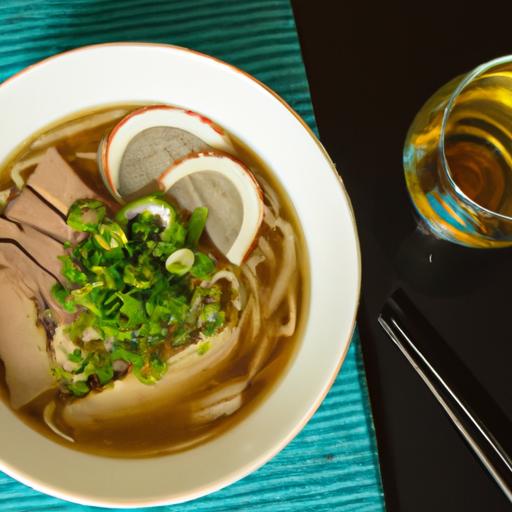
Fresh vs. dried ramen noodles: a flavor and texture showdown begins with understanding how fresh noodles bring a vibrant, springy bite born from their delicate, hand-crafted nature. Rooted in traditional Japanese ramen culture, fresh ramen noodles boast a tender chew and an unmistakably rich wheat aroma that dried noodles often cannot replicate. My first encounter with fresh ramen was at a bustling Tokyo market, where the noodles were pulled by hand and cooked immediately, creating a lively interplay between noodle and broth that made every spoonful a sensory celebration.
Prep and Cook Time
- Preparation: 20 minutes (fresh noodles)
- Cooking: 5-7 minutes (fresh noodles) / 4-5 minutes (dried noodles)
- Total Time: 25-27 minutes (fresh) / 15-17 minutes (dried)
Yield
Serves 4 generous bowls
Difficulty Level
Medium – requires some noodle handling but approachable with guidance
Ingredients
- For Fresh Ramen Noodles:
2 cups all-purpose flour, sifted
½ tsp sea salt
¾ cup warm water
2 tsp kansui (alkaline mineral water) or substitute with baking soda solution - For Dried Ramen Noodles:
8 oz packaged dried ramen noodles (your favorite brand) - Soup Base and Toppings:
6 cups rich chicken or pork broth
2 tbsp soy sauce
1 tbsp mirin
2 cloves garlic, minced
4 soft-boiled eggs
1 cup sliced scallions
½ cup bamboo shoots
4 slices chashu pork or diced tofu for vegetarian option
1 sheet nori, cut into strips
Sesame seeds for garnish
Instructions
- Prepare the fresh ramen dough: In a large bowl, combine the sifted flour and sea salt. Gradually mix in the warm water and kansui, stirring with chopsticks or a spatula until a shaggy dough forms. Knead on a lightly floured surface for 8-10 minutes until smooth and elastic. Wrap in plastic wrap and rest for 30 minutes to relax.
- Roll and cut the fresh noodles: Using a rolling pin, roll the dough into a thin sheet about 1/8-inch thick. Fold lightly floured dough sheet into thirds and cut into ¼-inch wide strips. Unfold and toss gently with a little flour to prevent sticking.
- Cook the noodles: Bring a large pot of water to a rolling boil. Drop fresh noodles in and cook for 4-5 minutes until tender yet springy. Dried ramen noodles usually take 3-4 minutes; follow package directions closely for ideal texture.
- Prepare the broth: In a soup pot, combine chicken or pork broth, soy sauce, mirin, and minced garlic. Bring to low simmer to infuse flavors. Adjust seasoning to taste.
- Assemble your ramen bowl: Drain cooked noodles well and divide equally into warmed bowls. Pour hot broth over noodles.
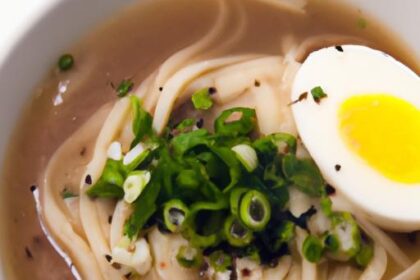
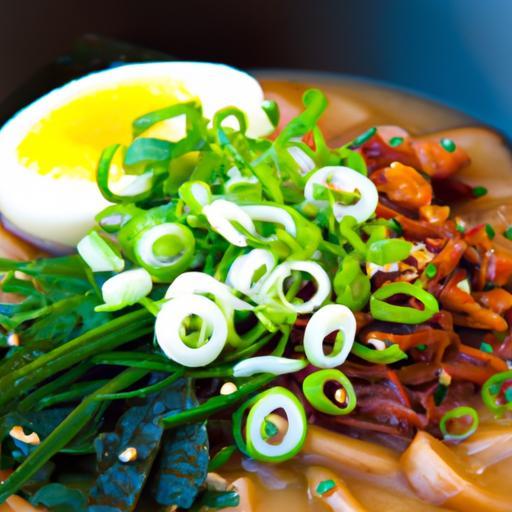
- Add toppings: Artfully arrange soft-boiled eggs (halved), scallions, bamboo shoots, chashu pork or tofu, and nori strips atop the noodles. Sprinkle lightly with sesame seeds for a nutty finish.
Tips for Success
- For fresh noodles, resting the dough is crucial to developing elasticity and ease in rolling.
- Use kansui authentically or simulate it with a mild baking soda rinse; this alkalinity gives ramen noodles their signature bite and yellow hue.
- Don’t overcrowd boiling water – cook noodles in batches if needed for even texture.
- Customize your broth by adding miso paste or a spicy chili oil for complex layers.
- Make a double batch of fresh noodles and freeze them in portions for quick future meals.
Serving Suggestions
Serve ramen steaming hot in deep bowls to trap aroma and warmth. Pair with a side of crispy pan-fried gyoza for a balanced meal experience. Fresh ramen noodles excel with lighter broths like shio or shoyu, highlighting their delicate chew. Dried noodles lean well into robust tonkotsu or miso broths, absorbing flavors deeply. Garnish with fresh scallions and a drizzle of chili oil for color contrast and a tantalizing kick.

| Nutrient | Fresh Ramen (per serving) | Dried Ramen (per serving) |
|---|---|---|
| Calories | 350 kcal | 380 kcal |
| Protein | 12 g | 14 g |
| Carbohydrates | 65 g | 70 g |
| Fat | 2 g | 3 g |
For a deeper understanding of ramen noodle variations and Japanese culinary traditions, visit the Japan Food Guide.
Q&A
Q&A: Fresh vs. Dried Ramen Noodles – A Flavor and Texture Showdown
Q1: What’s the biggest difference between fresh and dried ramen noodles?
A1: At first glance, fresh and dried ramen noodles may look similar, but their essence lies in moisture content. Fresh noodles are soft, pliable, and packed with moisture, offering a tender bite. Dried noodles, on the other hand, have been dehydrated to preserve them, resulting in a firmer, denser texture once cooked.
Q2: How does the flavor of fresh ramen noodles compare to dried ones?
A2: Fresh ramen often boasts a richer, more delicate wheat flavor, thanks to the presence of natural oils and freshness that haven’t been stripped away. Dried ramen noodles tend to have a simpler, slightly toasted taste since drying can mute some subtle flavor notes.
Q3: Texture-wise, who takes the crown?
A3: Fresh ramen noodles win for silkiness and springiness. Their chewy yet tender texture elevates the slurping experience. Dried ramen nails convenience and longevity but can sometimes be a bit more brittle or have a firmer, slightly chewy bite depending on cooking time.
Q4: Are there cooking differences between fresh and dried ramen?
A4: Absolutely. Fresh noodles cook very quickly – usually within 1-2 minutes – so keeping a close eye is key to avoid overcooking. Dried noodles typically need 3-5 minutes to reach their ideal texture. Timing impacts not just texture but flavor absorption from the broth.
Q5: Which one pairs better with rich broths?
A5: Fresh noodles shine in robust, oily broths like tonkotsu or miso because their tender texture lets the savory flavors cling lovingly to each strand. Dried noodles work well with lighter broths too, although they may not soak up intense flavors as effortlessly.
Q6: Is one healthier than the other?
A6: Nutritionally, they’re quite similar since both come from comparable ingredients-mostly wheat flour. However, fresh noodles usually contain fewer preservatives and additives, appealing to those seeking a more natural option.
Q7: What about shelf life and convenience?
A7: Dried ramen is a pantry hero, lasting months or even years unopened, perfect for emergencies or quick meals. Fresh ramen demands refrigeration and a shorter shelf life, making it a fresher but more perishable choice.
Q8: Which should I pick for the ultimate ramen experience?
A8: If you crave the authentic, restaurant-style experience with tender, flavorful noodles, fresh ramen is your go-to. For convenience, longer storage, and a comforting noodle fix anytime, dried ramen is the trusty workhorse.
Q9: Can you mix them?
A9: While unconventional, some adventurous cooks blend fresh and dried noodles in one bowl to balance texture contrasts – the silky softness of fresh noodles with the satisfying chew of dried. It’s a fun experiment for ramen aficionados!
In the end, the fresh vs. dried ramen noodle debate boils down to personal preference, occasion, and culinary creativity. Whichever you choose, the heart of ramen is in the joy of slurping and savoring every flavorful strand.
The Way Forward
In the end, the battle between fresh and dried ramen noodles isn’t just about convenience or shelf life-it’s a delightful exploration of flavor and texture that caters to different cravings and occasions. Fresh noodles bring that tender, springy bite and absorb broth with a luscious intimacy, perfect for when you want to savor every slurp as if it were a culinary hug. On the flip side, dried noodles offer a dependable, pantry-friendly alternative, delivering a firmer chew and a subtle toasty note that stands up beautifully to bold broths and hearty toppings. Whether you’re chasing the comfort of a fresh, homemade experience or the trusty satisfaction of a quick, dried fix, each type of noodle has its own story to tell in the bowl. So next time you dive in, remember-there’s no wrong choice, only delicious paths waiting to be explored in the world of ramen.