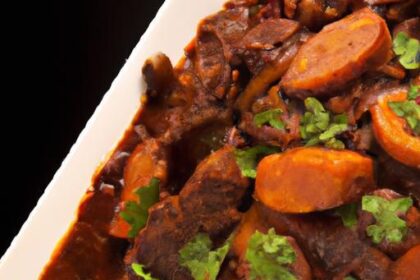
In the world of Indonesian and Malaysian cuisine, few dishes command as much reverence and awe as rendang. This rich, aromatic beef stew, slow-cooked to tender perfection, is a culinary masterpiece celebrated for its complex layers of flavor and its uniquely dry, oily texture that sets it apart from other curries. But achieving that elusive balance-the signature rendition of rendang where the meat is deeply infused with spices and the coconut milk transforms into a luscious, almost velvety coating-can be a daunting challenge even for seasoned cooks. In this article, we’ll unravel the secrets behind mastering rendang, guiding you through each step to achieve that perfect dry, oily finish that makes this dish an unforgettable experience every time. Prepare to embark on a flavorful journey where patience, technique, and a love for tradition blend seamlessly to transform simple ingredients into a regal feast.
Mastering Rendang: How to Achieve the Perfect Dry, Oily Texture
Mastering Rendang: How to Achieve the Perfect Dry, Oily Texture is an art that requires patience, precision, and respect for tradition. This iconic Indonesian dish, beloved across Southeast Asia, boasts a luxurious balance of deeply infused spices that transform tender beef into a delicately dry yet richly oily masterpiece. My first encounter with rendang was a revelation – the way the thick, flavorful paste clings to every morsel, leaving a lingering complexity, was nothing short of magical. This recipe unpacks the secrets behind that signature texture, enabling your kitchen to fill with the intoxicating aroma of slow-simmered perfection.
Prep and Cook Time
Prep Time: 30 minutes
Cook Time: 4 to 5 hours (slow simmer)
Yield
Serves 6 generously
Difficulty Level
Advanced – requiring attentive slow cooking but rewarding with incredible depth of flavor
Ingredients
- 1 kg beef chuck, cut into 2-inch cubes
- 600 ml coconut milk (full-fat for richness)
- 4 kaffir lime leaves, torn
- 3 turmeric leaves (optional), finely sliced
- 2 lemongrass stalks, bruised
- 1 cinnamon stick
- 4 cloves
- 3 star anise
- 3 tbsp tamarind paste
- 2 tbsp palm sugar
- Salt to taste
- 4 tbsp vegetable oil
- Spice Paste:
- 10 shallots, peeled
- 6 cloves garlic, peeled
- 5 dried red chilies, soaked and seeded
- 3 fresh red chilies, chopped
- 2 inches fresh ginger, peeled
- 2 inches galangal, peeled
- 1 tbsp ground coriander
- 1 tsp ground cumin
- 1 tsp ground turmeric
- 1 tsp white pepper
Instructions
- Prepare the spice paste: Blend the shallots, garlic, all chilies, ginger, galangal, coriander, cumin, turmeric, and white pepper with a splash of water until smooth. This vibrant paste is the soul of the dish.
- Heat vegetable oil in a heavy-bottomed wok or Dutch oven over medium heat. Add the spice paste and sauté until aromatic and oil separates, about 7 minutes. Stir constantly to avoid burning. This step unlocks essential aromas.
- Add the beef cubes and toss to coat evenly with the spice paste. Sear until beef edges brown slightly, about 5 minutes. Browning adds depth and caramelized notes indispensable for the signature rendang aroma.
- Add coconut milk, kaffir lime leaves, lemongrass, cinnamon, cloves, star anise, and palm sugar. Stir gently to combine and bring to a gentle simmer.
- Cover partially and reduce heat to low. Let the rendang simmer slowly for 3 to 4 hours, stirring every 20 minutes. This patience allows the meat to become melt-in-your-mouth tender while the liquid reduces.
- In the final stage, add tamarind paste and salt to taste. Continue cooking uncovered until the liquid transforms into a thick, dry, and oily finish – the hallmark of perfect rendang. The mixture should coat the beef and cling luxuriously around each piece.
- Remove from heat and discard bay leaves and lemongrass stalks. Let rendang rest for 10 minutes before serving to let flavors settle.
Tips for Success
- Choose a fatty cut like chuck or brisket for tender, juicy results that stand up to long cooking.
- Sauté the spice paste slowly until fragrant and oily; this step is essential to unlock complex layers of flavor.
- Low and slow simmering is non-negotiable – rushing this will leave the sauce watery and the texture incomplete.
- Adjust the heat with fresh or dried chilies based on your spice tolerance but don’t skip them; they contribute aroma more than heat alone.
- Make ahead and refrigerate overnight – rendang flavors intensify even further the next day, and reheating gently on low is recommended.
Serving Suggestions
Rendang shines when served with steamed jasmine rice or traditional ketupat (rice cakes). Garnish with freshly chopped kaffir lime leaves or a sprinkle of fried shallots to add texture contrasts. A side of acar (pickled vegetables) offers refreshing brightness against the rich, oily finish, creating a balanced plate.

| Nutrient | Per Serving |
|---|---|
| Calories | 450 kcal |
| Protein | 35 g |
| Carbohydrates | 8 g |
| Fat | 30 g |
Explore more on traditional Indonesian dishes like Indonesian Spiced Satay and deepen your mastery over Southeast Asian flavors. For a thorough understanding of slow cooking techniques to improve any stew, visit Serious Eats’ guide on slow cooking.
Q&A
Q&A: Mastering Rendang – How to Achieve the Perfect Dry, Oily Texture
Q1: What exactly is rendang, and why is its texture so important?
A1: Rendang is a rich and aromatic slow-cooked meat dish from Indonesia, celebrated for its deep flavors and distinctive texture. The magic lies in its finish – a dry yet oily consistency where the meat is tender, the spices have caramelized, and the coconut milk has turned into luscious, flavorful oil. This texture is the hallmark that sets authentic rendang apart from other curry-like dishes.
Q2: Why does rendang need to be dry and oily rather than saucy?
A2: The dry, oily texture isn’t just about appearance-it reveals how deeply the dish has been cooked and infused with spices. The drying process concentrates the flavors, while the oily sheen ensures richness and mouthfeel. Water evaporates slowly as it simmers, leaving behind an intense, enveloping flavor that coats every bite.
Q3: What’s the secret to achieving that perfect dry but oily texture?
A3: Patience is your best ingredient. Slow cooking on low heat is key-this allows the coconut milk to break down and transform into oil gradually. Stir occasionally to prevent sticking, but don’t rush the process. Also, using fresh, quality ingredients like freshly grated coconut or good coconut milk can help develop the dish’s texture naturally.
Q4: How do I know when my rendang has reached the perfect texture?
A4: Look for these signs: the liquid reduces to a thick paste that clings to the meat, almost like a dry curry paste; the oil begins to separate and coat the meat in a glossy sheen; and the meat is fork-tender, soaked through with spices but not swimming in sauce. The aroma should be intense and inviting.
Q5: Can any type of meat be used in rendang, and does that affect the texture?
A5: Traditionally, beef is used due to its firmness and ability to absorb flavors, but lamb, chicken, or even jackfruit can be adapted. Denser meats tend to hold up better to the long cooking time, resulting in a more satisfying texture. Softer meats require careful timing to avoid overcooking, which can affect the final texture.
Q6: Are there any common mistakes that lead to a soggy or greasy rendang?
A6: Yes! Cooking on too high heat can cause the coconut milk to separate prematurely, leading to oily pools without the signature dry coating. Adding too much liquid at the start or not simmering long enough also results in a watery dish rather than the expected thick, dry paste. Lastly, not stirring enough might cause burning but too much stirring can break down the meat texture.
Q7: How can I enhance the oily sheen without making the dish greasy?
A7: Let the coconut milk naturally reduce and separate-don’t add extra oil. Occasionally, a small drizzle of toasted coconut oil toward the end can deepen the aroma and sheen without overwhelming the dish. Remember, the oiliness should feel balanced, coating the meat elegantly rather than drowning it.
Q8: Is mastering rendang’s texture something only experienced cooks can achieve?
A8: Not at all! With a dash of patience, attention to detail, and understanding the process, even home cooks can unlock rendang’s secrets. Practice timing, use good ingredients, and embrace slow cooking. Each attempt brings you closer to that perfect balance of dry richness and aromatic oiliness that defines authentic rendang.
Mastering rendang’s texture is an art worth savoring-dry, tender, and glistening with rich oil, it’s a symphony of flavors and textures that turns every bite into an unforgettable experience. Ready to stir your pot and start your rendang journey?
The Conclusion
As you embark on your culinary journey to master rendang, remember that achieving that coveted dry, oily texture is both an art and a science-a careful dance of slow simmering, balanced spices, and patient stirring. With each fold of coconut milk transforming into a rich, glossy cloak over tender meat, you’re not just cooking; you’re crafting a story steeped in tradition and flavor. So don’t rush the process-embrace the sizzle, savor the aroma, and let each step deepen your connection to this iconic dish. Perfecting rendang isn’t just about the final bite; it’s about celebrating the layers of time, technique, and love that make it truly unforgettable. Happy cooking!