
Plantains, often mistaken for their sweeter cousin the banana, are a culinary powerhouse treasured across tropical kitchens worldwide. But did you know that the stage at which you harvest and cook plantains can completely transform their flavor, texture, and nutritional profile? From the starchy, savory punch of green plantains to the soft, caramelized sweetness of their ripe counterparts, these versatile fruits offer a fascinating journey through taste and health benefits. In this article, we’ll peel back the layers-literally and figuratively-exploring the vibrant contrasts between green and ripe plantains, uncovering their unique uses in cooking, and diving into the nutritional secrets they hold. Whether you’re a curious foodie or a health-conscious eater, get ready to savor every nuance of green versus ripe plantains.
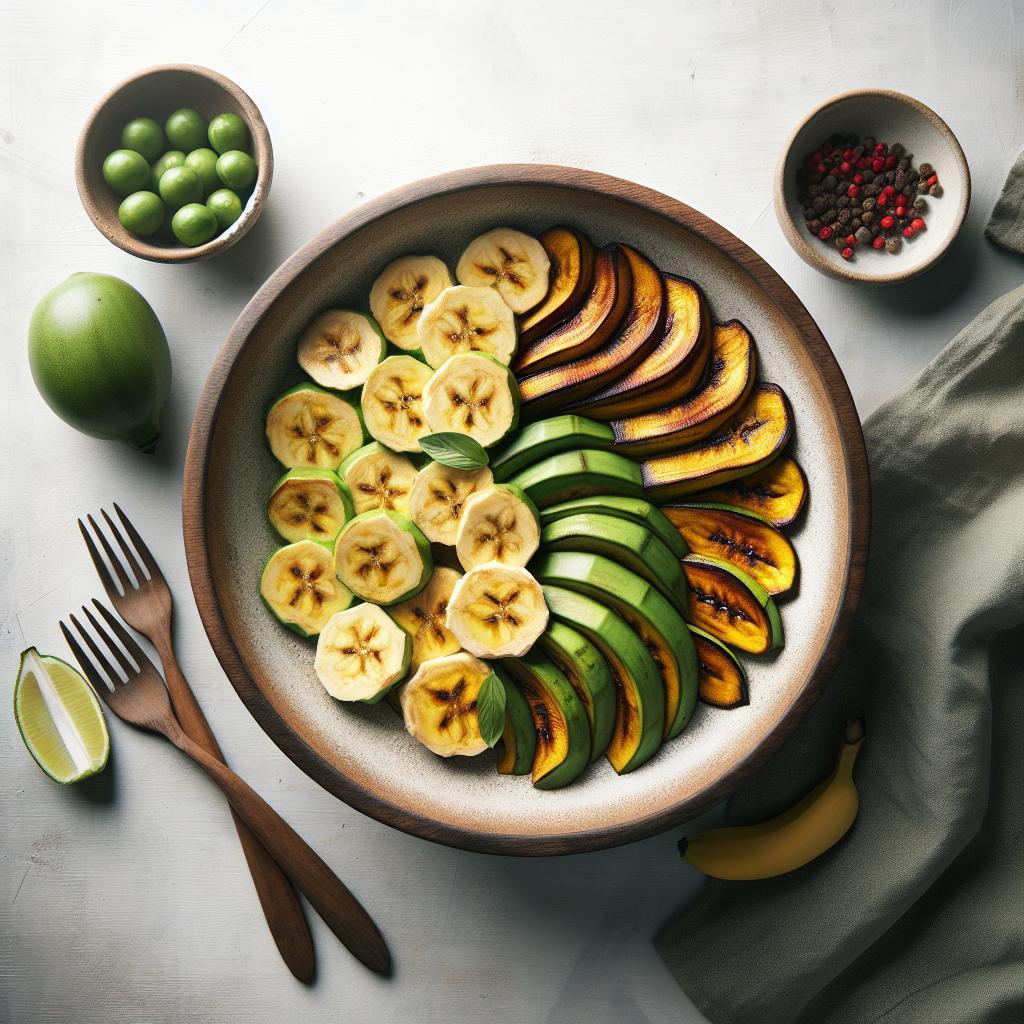
Green vs Ripe Plantains: Flavor, Uses, and Nutrition Explored reveals the fascinating world behind these tropical staples’ unique characters. From their contrasting textures to nutritional gifts, understanding how green and ripe plantains differ unlocks vibrant culinary opportunities that transpose humble ingredients into extraordinary dishes. Whether you crave the starchy firmness of green plantains or the caramelized sweetness of ripe ones, mastering their properties elevates your kitchen skills and delights your palate.
Prep and Cook Time
- Prep Time: 10 minutes
- Cook Time: 15-25 minutes (depending on recipe)
Yield
- Serves: 4
Difficulty Level
- Easy to Medium
Ingredients
- 2 large green plantains, peeled and sliced into ½-inch rounds or strips
- 2 large ripe plantains (yellow with black spots), peeled and sliced diagonally
- 1 cup vegetable or canola oil (for frying, adjust as needed)
- ½ teaspoon sea salt, or to taste
- 1 teaspoon ground cinnamon (optional, for ripe plantains)
- Fresh lime wedges (for serving with green plantain dishes)
- Optional garnish: chopped fresh cilantro, crumbled queso fresco, or toasted coconut flakes
Instructions
- Prepare the plantains: Starting with the green plantains, carefully cut off both ends. Use a paring knife to slit the peel lengthwise, then remove the thick skin. Slice into rounds or strips depending on the dish you desire. Repeat peeling for the ripe plantains, which will be softer and sweeter.
- Heat the oil: In a deep skillet, pour the vegetable oil and warm over medium heat until it registers 350°F (175°C) or a small cube of plantain sizzles gently when added.
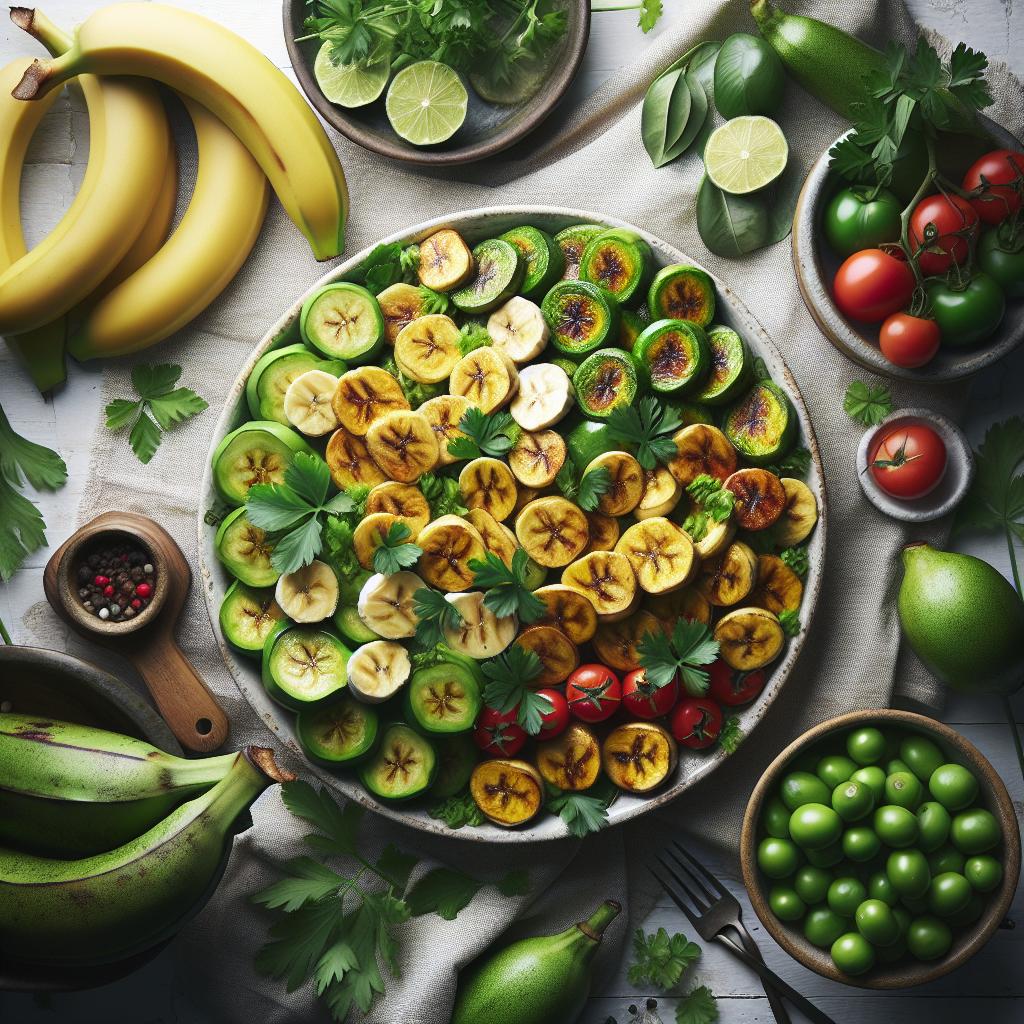
- Fry the green plantains: Add a handful of green plantain slices without overcrowding. Fry until golden and crisp, about 4-6 minutes per side. These become delightfully starchy and slightly nutty when fried. Remove with a slotted spoon and drain on paper towels. Sprinkle light sea salt.
- Fry the ripe plantains: Add ripe plantain slices and fry for 2-3 minutes per side until lush golden-brown with caramelized edges. These will have a sweet, tender interior. Drain on paper towels and sprinkle lightly with cinnamon and a pinch of salt for balance, if desired.
- Serve immediately: Arrange the green and ripe plantains on a platter. Garnish green plantains with lime wedges and fresh cilantro for a vibrant accent. For the ripe plantains, toasted coconut or crumbled queso fresco adds delightful texture and creaminess.
Chef’s Notes
- Variation: For a baked option, lightly brush sliced plantains with olive oil and bake at 425°F (220°C) for 15-20 minutes to reduce oil content, though frying yields the classic texture you crave.
- Substitution: Use avocado oil or coconut oil for unique flavor profiles and healthier fat options.
- Peeling tip: A small serrated knife helps with tough green plantain skins without damaging the flesh.
- Make ahead: Prep and store peeled, sliced plantains submerged in water with a splash of lime juice for up to 24 hours to prevent browning.
- Troubleshooting: If plantains turn mushy when fried, they may be overripe or oil temperature is too low-keep consistent heat for crispness.
Serving Suggestions
- Green plantains shine as crisp tostones or chips served with tangy guacamole or black bean dip-perfect for appetizers or sides.
- Ripe plantains are heavenly paired with savory protein like jerk chicken or grilled fish, accentuating their natural sweetness.
- For breakfast, combine ripe plantains with scrambled eggs and a dollop of fresh salsa for a Caribbean-inspired start.
- Drizzle fried ripe plantains with honey or sprinkle with toasted nuts for a decadent dessert twist.
| Plantain Type | Calories (per 100g) | Protein (g) | Carbohydrates (g) | Fat (g) |
|---|---|---|---|---|
| Green Plantains | 122 | 1.3 | 31.9 | 0.4 |
| Ripe Plantains | 158 | 1.3 | 38.0 | 0.4 |

For further insights into plantain-based recipes and tropical cooking inspiration, explore our Tropical Fruit Recipes Collection. To deepen your understanding of plantain nutrition, visit the NutritionValue.org profile for comprehensive data.
Q&A
Q&A: Green vs Ripe Plantains – Flavor, Uses, and Nutrition Explored
Q1: What makes green and ripe plantains different?
Green plantains are unripe and firm, boasting a starchy texture and a slightly bitter, savory flavor. In contrast, ripe plantains are sweeter, softer, and more fragrant, transforming their taste and culinary potential as they ripen.
Q2: How does the flavor change as plantains ripen?
As plantains ripen, their starches convert into natural sugars. This shift changes the flavor from earthy and slightly tangy in green plantains to rich, sweet, and caramel-like when fully ripe.
Q3: What are the ideal cooking methods for green plantains?
Green plantains shine when fried, boiled, or baked. Popular dishes include tostones (twice-fried green plantain slices), plantain chips, and savory mofongo. Their starchy nature makes them a perfect potato substitute.
Q4: How do ripe plantains best shine in the kitchen?
Ripe plantains, with their sweetness and softness, are ideal for frying into sweet, caramelized maduros, baking, or even mashing into puddings and desserts. They add natural sweetness without extra sugar.
Q5: Nutritionally, how do green and ripe plantains compare?
Green plantains are higher in resistant starch, which acts like fiber and supports gut health. Ripe plantains have more simple sugars and offer quick energy. Both contain potassium, vitamins A and C, making them nutritious staples.
Q6: Can you substitute one for the other in recipes?
Because of their distinct textures and flavors, green and ripe plantains are not always interchangeable. Using green plantains in recipes meant for ripe ones (or vice versa) can drastically change the dish’s character and taste.
Q7: What cultural dishes highlight the difference between green and ripe plantains?
In Caribbean and Latin American cuisine, tostones (green plantains) are beloved savory snacks, while maduros (ripe plantains) offer a sweet complement to savory meals. Their contrasting roles celebrate the plantain’s versatile nature.
Q8: How can I tell when a plantain is ripe and ready?
Look for deep yellow skin with black spots or entirely black peel for sweetest ripeness. Green plantains have solid green skin with little to no yellow. The peel color is your guide to flavor and texture inside.
Whether green or ripe, plantains are a culinary chameleon-starchy or sweet, savory or dessert, their magic lies in their transformation. Knowing when and how to use each stage unlocks a world of delicious possibilities!
Concluding Remarks
Whether you lean toward the starchy, savory charm of green plantains or the sweet, tender allure of their ripe counterparts, each stage offers a unique flavor journey and a versatile array of culinary possibilities. From crispy tostones to caramelized maduros, understanding the subtle differences in taste, texture, and nutrition allows you to elevate your dishes with confidence and creativity. So next time you reach for plantains, remember: green or ripe, they’re not just a fruit-they’re an invitation to explore the vibrant tapestry of tropical flavors and nourishing traditions. Embrace their diversity and let your kitchen become a playground of delightful discoveries.