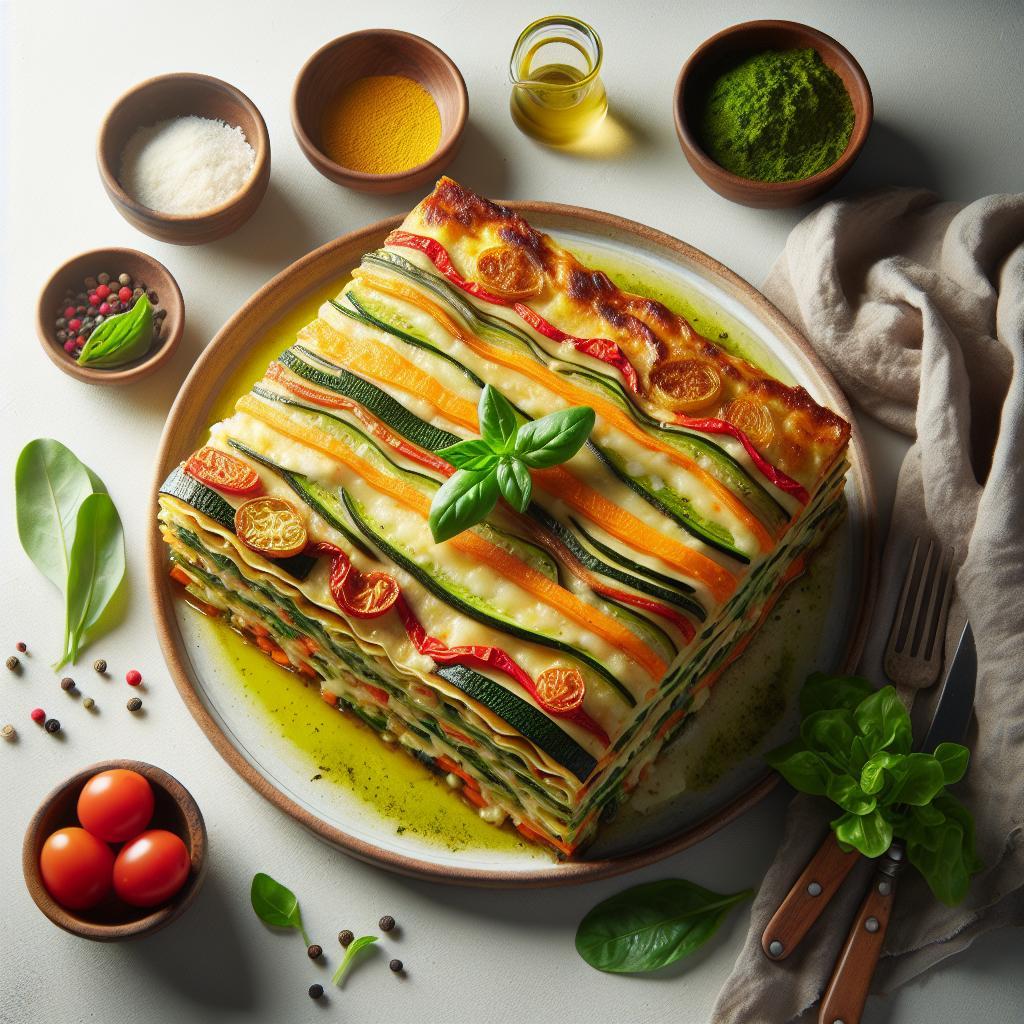

There’s something magical about the humble roasted vegetable-a caramelized edge, a tender bite, and a depth of flavor that transforms simple ingredients into a symphony for the senses. Now, imagine these vibrant, roasted gems nestled between sheets of delicate pasta, enveloped in creamy béchamel and rich tomato sauce, layered with melting cheese that pulls apart in perfect strings. Welcome to the delicious world of roasted vegetable lasagna, where every layer tells a story of patience, passion, and culinary artistry. In this article, we’ll guide you through mastering the art of building layers of flavor that turn a classic comfort dish into a spectacular vegetarian feast worthy of any table. Prepare to awaken your palate and elevate your cooking with every glorious bite.
Layers of Flavor: Mastering Roasted Vegetable Lasagna
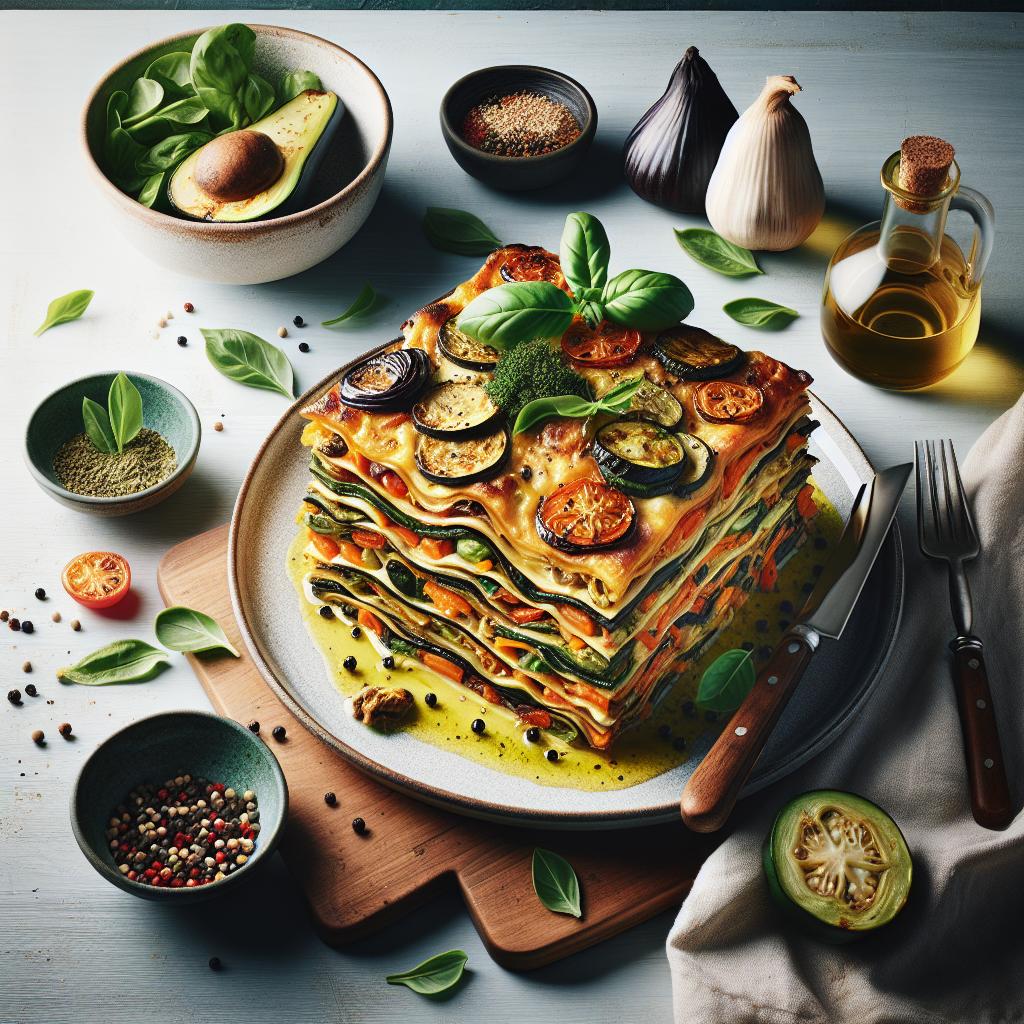
Layers of Flavor: Mastering Roasted Vegetable Lasagna invites you on a culinary journey where each bite unveils a symphony of textures and tastes. Inspired by the Mediterranean tradition of vibrant vegetable roasts and rich, cheesy Italian layers, this recipe transforms humble vegetables into a show-stopping centerpiece. The careful balance of roasted vegetables with creamy cheeses and fragrant herbs crafts a lasagna that’s both comforting and inspired.
Prep and Cook Time
- Preparation: 30 minutes
- Roasting vegetables: 25-30 minutes
- Assembly: 15 minutes
- Baking: 40 minutes
- Total: Approximately 1 hour 50 minutes
Yield
Serves 8 hearty portions
Difficulty Level
Medium – Perfect for home cooks looking to elevate their plant-based dishes with layered sophistication.
Ingredients
- 3 cups mixed vegetables (bell peppers, zucchini, eggplant, red onion), cut into 1-inch pieces
- 3 tbsp olive oil, divided
- 1 tsp sea salt plus extra for seasoning
- 1/2 tsp freshly ground black pepper
- 1 tsp dried Italian herbs (oregano, thyme, rosemary blend)
- 9 no-boil lasagna noodles
- 2 cups whole milk ricotta cheese
- 1 1/2 cups shredded mozzarella cheese
- 1 cup grated Parmesan cheese
- 1/4 cup fresh basil leaves, finely chopped
- 3 cloves garlic, minced
- 3 cups simple tomato sauce (see notes for homemade and store-bought options)
- 1 tbsp fresh parsley, chopped, for garnish
- 1 tsp red pepper flakes (optional, for subtle heat)
Instructions
- Preheat your oven to 425°F (220°C). Spread the mixed vegetables on a large baking sheet. Drizzle with 2 tablespoons olive oil, sprinkle with sea salt, black pepper, and dried Italian herbs. Toss well to coat evenly.
- Roast vegetables for 25-30 minutes until tender and caramelized, flipping halfway through to ensure golden edges. This roasting step is crucial for concentrating the natural sweetness and deepening flavors.
- While vegetables roast, prepare the cheese herb mixture: In a bowl, gently fold ricotta, half the mozzarella, Parmesan, garlic, and chopped basil. Season lightly with salt and pepper to taste.
- Reduce oven temperature to 375°F (190°C). Lightly grease a 9×13-inch baking dish with the remaining olive oil.
- Assemble the lasagna: Spread 1/2 cup of tomato sauce evenly at the bottom of the dish. Layer 3 lasagna noodles over the sauce. Spread one-third of the ricotta and cheese mixture over the noodles. Add half of the roasted vegetables on top, gently pressing them into the cheese layer.
- Repeat layers: Add another 1/2 cup tomato sauce, 3 noodles, the remaining cheese mixture, and the remaining roasted vegetables. Top with the last 3 noodles and the remaining tomato sauce. Sprinkle the remaining mozzarella cheese and an extra pinch of Parmesan over the top.
- Cover loosely with foil (tented so it doesn’t stick to cheese) and bake at 375°F (190°C) for 30 minutes.
- Remove foil and bake uncovered for an additional 10 minutes until the cheese is bubbly and golden brown, allowing the top to crisp slightly.
- Rest the lasagna for 15 minutes before slicing – this step ensures perfect slices and allows the layers to set beautifully.
- Garnish with fresh parsley and a sprinkle of red pepper flakes (if using) before serving.
Tips for Success
- Vegetable choices: Stick to sturdy vegetables that hold shape when roasted-eggplant, bell peppers, zucchini, and red onions create the best texture contrast.
- Balancing cheese and herbs: Adding fresh basil to ricotta brightens the creamy texture and complements the roasted vegetable’s sweetness.
- Selecting the sauce: Use a vibrant, balanced tomato sauce with subtle acidity and sweetness. Homemade marinara or a trusted high-quality store-bought sauce works beautifully.
- Texture tips: Roast vegetables until just caramelized to preserve some bite and prevent mushiness in the layers.
- Make-ahead: Assemble the lasagna up to 24 hours in advance. Cover tightly and refrigerate. Bring to room temperature 30 minutes before baking.
- Don’t skip resting: Resting the lasagna after baking is key for neat servings and flavor melding.
Serving Suggestions
Serve slices with a fresh arugula salad tossed in lemon vinaigrette to cut through the richness. Garnish with extra fresh basil leaves and a drizzle of good quality olive oil for visual appeal and aromatic lift. A side of garlic bread or crusty ciabatta completes the meal perfectly.
| Nutrient | Per Serving |
|---|---|
| Calories | 370 kcal |
| Protein | 22 g |
| Carbohydrates | 34 g |
| Fat | 15 g |
Explore more on crafting the perfect tomato sauce to enhance your vegetable lasagna layers.
For an in-depth guide on selecting and roasting vegetables, visit Epicurious’ vegetable roasting tips.

Q&A
Q&A: Layers of Flavor – Mastering Roasted Vegetable Lasagna
Q1: What makes roasted vegetable lasagna different from the classic version?
A1: Roasted vegetable lasagna takes the beloved Italian classic to a vibrant, veggie-forward level. Instead of relying solely on meat or a simple marinara base, this version layers caramelized, roasted vegetables that offer smoky, sweet, and earthy notes. The roasting process intensifies the natural flavors, creating a rich tapestry that sings in every bite.
Q2: Which vegetables are best for roasting in this lasagna?
A2: Think color, texture, and bold taste. Bell peppers, zucchini, eggplant, mushrooms, and cherry tomatoes shine when roasted. They soften with a slight char that adds complexity. Onions and garlic provide a sweet, aromatic backbone, while root vegetables like carrots or butternut squash add a subtle sweetness and body.
Q3: How does roasting affect the overall flavor of the lasagna?
A3: Roasting transforms raw vegetables by drawing out their sugars and intensifying their character. The Maillard reaction browns the edges, adding a nutty, caramelized depth that contrasts beautifully with the creamy layers of béchamel or ricotta and melty mozzarella. It elevates the dish from simple and mild to multi-dimensional and deeply satisfying.
Q4: What’s the secret to layering for maximum flavor impact?
A4: Balance is key. Start with a thin layer of sauce to keep things moist but not soggy. Alternately layer sheets of pasta, roasted vegetables, creamy cheese mixtures, and sauce. Each layer should be thoughtfully distributed so every forkful delivers a harmony of textures and flavors-not just one dominant feature. Let flavors mingle while baking to marry the layers perfectly.
Q5: Can this dish be made ahead and frozen without losing flavor?
A5: Absolutely! Roasted vegetable lasagna is a star make-ahead meal. Assemble it fully, then freeze before baking. When ready, bake it from frozen, adding a bit of extra time. The slow heat helps meld flavors even more, meaning your future self will thank you with a comforting, ready-to-enjoy feast.
Q6: Any tips for making the lasagna both nourishing and indulgent?
A6: Use fresh, seasonal vegetables to maximize nutrients and flavor. Incorporate cheeses like ricotta or mascarpone for creaminess that feels indulgent without heaviness. You can swap some pasta sheets for thinly sliced zucchini for a lighter twist. And don’t skimp on fresh herbs-basil, thyme, and oregano add brightness and freshness that balance richness beautifully.
Q7: How can I make this recipe my own?
A7: Roasted vegetable lasagna is a versatile canvas. Experiment with different veggies depending on the season or your cravings-roasted butternut squash in fall, asparagus in spring, or even spicy roasted chilies for a kick. Try layering in pesto instead of tomato sauce for a green twist or sprinkle toasted pine nuts for crunch. The key is to embrace creativity and let your palate guide you.
Q8: What wine pairs best with roasted vegetable lasagna?
A8: Go for a medium-bodied red or a crisp white. A Chianti complements the tomato and roasted flavors with bright acidity and subtle earthiness. For whites, a Sauvignon Blanc or a lightly oaked Chardonnay cuts through the creaminess while enhancing the roasted vegetable notes. Ultimately, choose a wine that you enjoy sipping alongside every hearty, flavorful bite.
Mastering roasted vegetable lasagna means embracing layers-not just of pasta and cheese-but of flavor, texture, and creativity. With each roasted veggie and each careful layering, you craft a dish that’s as comforting as it is complex, a true celebration of vegetables in their most indulgent form.
To Wrap It Up
As the final golden edges of your roasted vegetable lasagna emerge from the oven, you realize this dish is more than just a meal-it’s a symphony of textures, aromas, and tastes meticulously layered to perfection. Mastering the art of layering roasted vegetables with rich sauces and tender pasta transforms a humble casserole into a celebration of flavor and color. Whether you’re cooking for family, friends, or simply savoring a quiet night in, each bite reveals the careful balance that makes this lasagna truly unforgettable. So, gather your favorite vegetables, embrace the roasting ritual, and let your kitchen become a canvas where layers of flavor come alive, one delicious slice at a time.