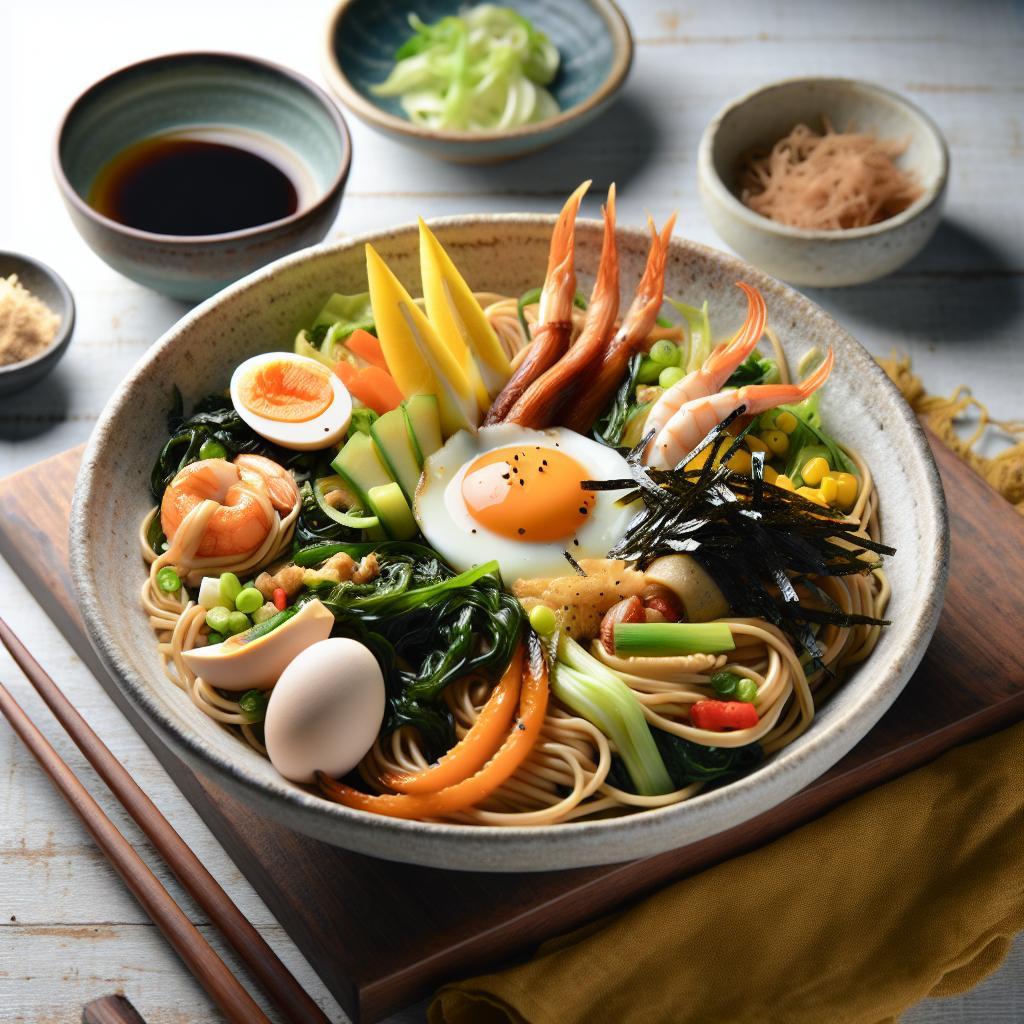

In the vast universe of flavors, umami reigns supreme as the elusive fifth taste-a savory depth that transforms ordinary dishes into culinary masterpieces. At the heart of unlocking this rich, mouthwatering essence lies dashi, a traditional Japanese broth renowned for its subtle complexity and umami-packed punch. But what truly sets dashi apart? The answer often starts with kombu kelp, a humble seaweed harboring an extraordinary treasure trove of natural glutamates. In this article, we’ll dive deep into the art and science of mastering dashi with kombu kelp, revealing how this simple ingredient can elevate your cooking from everyday to extraordinary, one broth at a time. Whether you’re a seasoned chef or a kitchen novice, prepare to awaken your palate and unlock the secret weapon of umami.
Unlock Umami: Mastering Dashi with Kombu Kelp Cooking
Unlock umami with the ancient art of making dashi, the heart of Japanese cuisine. From my first taste of kombu dashi in a tiny Kyoto eatery to mastering its delicate preparation at home, I’ve come to appreciate how a simple sheet of kelp transforms dishes with its profound savory depth. This recipe reveals how selecting the perfect kombu, gently coaxing out its flavors, and exploring creative culinary uses can elevate your cooking beyond ordinary.
Prep and Cook Time
- Preparation: 10 minutes
- Steeping: 30 minutes
- Total Time: 40 minutes
Yield
Approximately 4 cups (960 ml) of kombu dashi
Difficulty Level
Easy
Ingredients
- 20 grams dried kombu kelp (about a 7-inch sheet), gently wiped with a damp cloth
- 4 cups cold filtered water (960 ml)
Instructions
- Prepare the kombu: Lightly clean the kombu kelp with a damp, soft cloth to remove any surface salt or impurities. Do not wash it under running water, as it may wash away umami-rich white powdery substance.
- Soak the kombu: Place the kombu in a non-reactive pot with cold water. Allow it to soak for 30 minutes to hydrate the kelp and slowly release glutamates, the essence of umami.
- Gently warm the water: Slowly heat the water over low heat. Keep the temperature under 60°C (140°F) to extract delicate umami flavors without boiling, which can produce bitterness.
- Remove before boiling: Just before bubbles begin to form along the pot’s edge (about 10 minutes depending on the stove), carefully remove the kombu. Discard or save for a secondary broth.
- Use immediately or store: Use your kombu dashi as a base for soups, noodles, or sauces, or cool and refrigerate it for up to 3 days.
Tips for Success
- Choose thick, plump kombu with a powdery white coating-this indicates rich umami glutamates.
- Never boil kombu; it releases glutamic acid best with gentle heat, preserving its natural sweetness and complexity.
- For richer flavor, soak kombu overnight in the refrigerator before warming.
- Reuse used kombu in vegetable broths or simmer with beans for an umami boost.
- To intensify umami, add a handful of dried shiitake mushrooms during soaking (remove before heating).
Serving Suggestions
Kombu dashi shines beyond traditional miso soup. Use it as a delicate poaching liquid for fresh seafood or temper it into risottos and steamed vegetables for a deep savory note. Garnish with thinly sliced scallions, a sprinkle of toasted sesame seeds, or a drop of yuzu zest oil to visually elevate and complement the flavors.

| Nutrition per 1 cup (240 ml) | Amount |
|---|---|
| Calories | 5 |
| Protein | 0.3 g |
| Carbohydrates | 1 g |
| Fat | 0 g |
Explore more about savoring Japanese umami treasures in our Japanese Umami Artisans feature. For further scientific insights on umami and kombu, visit the National Institute of General Medical Sciences.
Q&A
Q&A: Unlock Umami – Mastering Dashi with Kombu Kelp Cooking
Q1: What exactly is dashi, and why is it called the soul of Japanese cooking?
A: Dashi is a clear, umami-packed broth foundational to Japanese cuisine. It’s often called the soul of Japanese cooking because its delicate yet profound flavor forms the backbone of countless dishes-from miso soup to noodle broths and simmered delicacies. Dashi transforms simple ingredients into something deeply savory and comforting with just a few natural elements.
Q2: Why use kombu kelp in dashi? What makes it so special?
A: Kombu kelp is a type of edible seaweed rich in glutamic acid, the compound responsible for umami-the fifth taste. When simmered gently, it releases this natural flavor enhancer, creating a rich, savory backdrop without overpowering other ingredients. It’s nature’s secret weapon for layering depth in your cooking.
Q3: How do I prepare kombu dashi without turning the broth bitter or slimy?
A: Patience and precision are key. Start by soaking the kombu in cold water for about 20-30 minutes to coax out those umami compounds gently. Then, slowly warm the water with kombu over low heat-never let it boil. Remove the kombu just before the water reaches a simmer to avoid bitterness and sliminess. This subtle approach yields a clean, clear, and savory dashi every time.
Q4: Can I make dashi with just kombu, or do I need other ingredients?
A: Kombu alone crafts a beautiful base dashi, often used for vegetarian or vegan dishes. However, traditional dashi typically pairs kombu with bonito flakes (katsuobushi) for a smoky, layered profile. You can customize your dashi by adding dried shiitake mushrooms or other seaweeds, but kombu remains the elegant foundation.
Q5: How does mastering kombu dashi elevate everyday cooking?
A: Once you unlock the art of kombu dashi, you unlock umami magic-adding nuanced richness to soups, sauces, dressings, and even steamed vegetables. It’s like having a secret ingredient that enhances every bite naturally, without heavy seasoning or artificial additives. Mastery over this broth invites a new dimension of flavor harmony to your kitchen repertoire.
Q6: Any tips to store dashi or kombu for future uses?
A: Freshly made dashi tastes best shortly after preparation but can be refrigerated for up to 3 days or frozen in portions for weeks. Kombu itself keeps well in a cool, dry place-avoid moisture to prevent spoilage. Reusing kombu for a second gentle simmer can yield a lighter broth perfect for delicate dishes or as a mild cooking liquid.
Q7: How do I know when my dashi has that perfect umami balance?
A: Taste is the ultimate guide! Your ideal kombu dashi should feel smooth, nuanced, and slightly oceanic without brininess or bitterness. It should enhance and support other ingredients, not dominate. Think of umami as a warm hug on your palate-rich yet restrained, inviting and clean.
By embracing kombu dashi, you step into a culinary tradition where simplicity meets soulful depth. Prepare to unlock umami’s magic and transform your cooking with the ancient art of kombu kelp broth!
In Retrospect
As you close this flavorful chapter on unlocking umami, remember that mastering dashi with kombu kelp is not just a technique-it’s an invitation to explore the deep, savory heart of Japanese cuisine. With kombu’s subtle briny whispers and dashi’s rich, comforting embrace, you’re equipped to transform everyday dishes into extraordinary experiences. Whether you’re simmering a simple broth or crafting a complex sauce, the magic of umami awaits in every drop. So, gather your kombu, embrace the patience of the process, and let your kitchen become a gateway to the profound simplicity and exquisite taste that only dashi can bring. Your journey to umami mastery starts here-may it inspire countless delicious discoveries ahead.