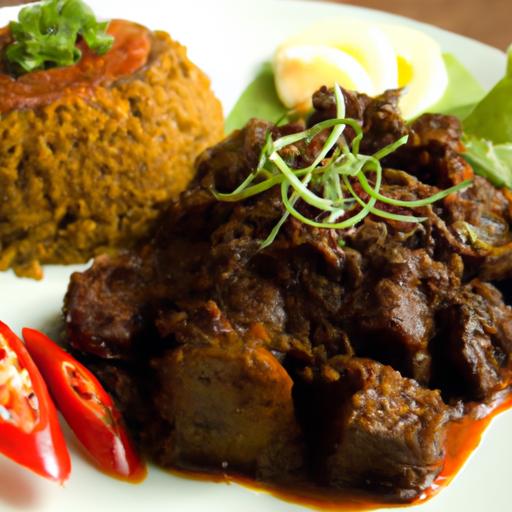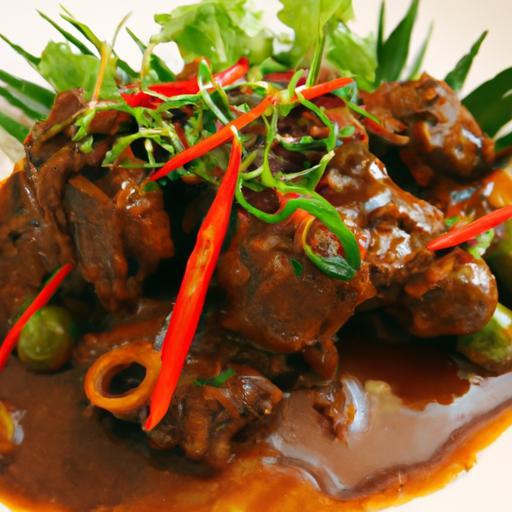

There’s something magical about a perfectly cooked rendang-the luscious balance of intense spices, tender meat, and that signature dry, oily richness that clings to every bite. But what happens when your rendang turns out more saucy than sumptuous, missing that iconic depth and glossiness you crave? If you’ve ever wondered why your rendang isn’t dry and oily enough, you’re not alone. Behind this beloved Indonesian classic lies a delicate dance of technique, timing, and ingredients. In this article, we’ll unravel the secrets to mastering rendang’s ideal texture, guiding you step-by-step to achieve that rich, aromatic masterpiece that melts in your mouth and leaves you wanting more. Get ready to transform your rendang from good to unforgettable.
Why My Rendang Isn’t Dry and Oily Enough: Tips to Perfect
Why my rendang isn’t dry and oily enough has often been a question for many home cooks seeking that signature glossy, rich Indonesian dish. Originating from West Sumatra, Rendang is a celebration of patience, technique, and the perfect marriage of spices slow-cooked with coconut milk until the oils separate and coat tender meat in a luscious, caramelized glaze. The magic lies not just in the ingredients but in understanding texture, timing, and balance.
Prep and Cook Time
- Preparation: 30 minutes
- Cooking: 3 to 4 hours (slow simmering)
- Total: Approximately 4 hours 30 minutes
Yield
Serves 6 generous portions, perfect for family gatherings or a special meal.
Difficulty Level
Advanced: Requires patience and attention to slow cooking details, but totally worth the effort.
Ingredients
- 1 kg beef chuck, cut into 2-inch cubes
- 400 ml thick coconut milk (fresh or high-quality canned)
- 3 tbsp kerisik (toasted grated coconut paste)
- 2 stalks lemongrass, bruised
- 6 kaffir lime leaves, torn
- 4 Indonesian bay leaves (daun salam)
- 2 turmeric leaves (optional), shredded
- 1 large onion, finely chopped
- 8 cloves garlic
- 6 shallots
- 4 red chilies (adjust to taste)
- 2-inch piece galangal
- 2-inch piece ginger
- 1 tbsp coriander seeds
- 1 tsp cumin seeds
- 1 tsp fennel seeds
- Salt, to taste
- 2 tbsp palm sugar (or brown sugar)
- 2 tbsp cooking oil
Instructions
- Grind garlic, shallots, red chilies, galangal, ginger, coriander seeds, cumin seeds, and fennel seeds into a smooth paste using a mortar and pestle or food processor.
- Heat oil in a heavy-bottomed pot over medium heat. Sauté the spice paste until fragrant and golden, about 7-8 minutes. Stir often to avoid burning.
- Add the chopped onions, bruised lemongrass, kaffir lime leaves, bay leaves, and turmeric leaves. Continue cooking for 5 more minutes until the mixture thickens.
- Pour in the coconut milk and bring it to a gentle simmer. Add salt and palm sugar to balance the flavors. Stir occasionally to prevent sticking.
- Add the beef cubes and reduce the heat to the lowest setting. Cover partially. Let the rendang gently simmer for 2 to 3 hours, stirring every 20-30 minutes to scrape off bits sticking to the pot without breaking the meat apart.
- As the liquid reduces, the oil will begin to separate – a beautiful sign that the rendang is nearing perfection. Add kerisik in the last 30 minutes to deepen the nutty flavor and enhance texture.
- Keep simmering until the meat is tender and the sauce thickens to almost dry, clinging to each piece of beef, with a glossy and oily sheen. This may take up to 4 hours depending on your stove.
- Remove lemongrass stalks and leaves before serving.
Tips for Success
- Use fresh, thick coconut milk rather than diluted or light versions. This is crucial for oil separation, which gives that glossy, rich coating.
- Patience is key – the slower and longer you cook, the drier and more flavorful your rendang will be.
- Adjust the heat carefully during cooking to avoid burning the bottom but allow sufficient evaporation.
- Frequently scraping the pot bottom releases fond that amps flavor and prevents scorching.
- Adding kerisik deepens texture and richness; if unavailable, lightly toast grated coconut yourself.
- Try adding a splash of water occasionally if the mixture dries too fast before the meat is tender.
- Use a thick-bottomed pot for even heat distribution, avoiding hot spots that can burn spices.
- For a vegan alternative, substitute beef with firm tempeh or jackfruit and follow the same slow-cooking approach.
Serving Suggestions
Serve your rendang with steamy white jasmine rice, complemented by pickled vegetables or acar (Indonesian pickles). Garnish with freshly sliced red chilies and fried shallots to add crunch and a pop of color. A side of simple coconut curry is a lovely pairing for added creaminess. Enjoy with a fresh cucumber salad for cool contrast.
Pro tip: A small drizzle of rendered coconut oil on top enhances the glossy finish and aroma just before serving.
| Nutrient | Per Serving |
|---|---|
| Calories | 450 kcal |
| Protein | 35 g |
| Carbohydrates | 12 g |
| Fat | 30 g |

For those keen to dive deeper into the science of spice blending and ideal textures, visit Serious Eats’ Rendang Explained. Additionally, explore our guide on perfect slow-cooked beef recipes to hone your overall tastes and techniques.
Q&A
Q&A: Why My Rendang Isn’t Dry and Oily Enough? Tips to Perfect This Iconic Dish
Q1: What exactly should the texture of a perfect Rendang look and feel like?
A1: A perfect Rendang is celebrated for its rich, dry, and oily texture where the meat is tender, and the sauce has thickened and clings to each piece like a flavorful lacquer. The oil separates and rises to the top, creating a glossy sheen, while the liquid evaporates into a concentrated, almost caramelized paste. It’s not soupy or wet-think of it as a deeply infused, almost fudge-like coating that wraps your meat in aromatic embrace.
Q2: Why is my Rendang still watery or soupy after cooking for hours?
A2: This usually happens because the simmering stage hasn’t gone long enough or at the right temperature for the liquids to fully evaporate. Traditional Rendang relies on slow cooking over low heat to gradually reduce the coconut milk and spices. Cooking too quickly or covering the pot tightly can trap moisture, preventing the dish from drying properly. Also, not stirring occasionally can cause uneven evaporation.
Q3: How important is coconut milk in achieving that dry, oily Rendang texture?
A3: Coconut milk is the magic that transforms Rendang. Its fat content is crucial-it’s what eventually separates and forms that oily layer on top. Using fresh, thick coconut milk yields the best results. Powdered or diluted coconut milk often lacks richness and may hinder proper drying. Plus, the coconut milk’s natural sugars caramelize during slow cooking, helping the texture and flavor reach perfection.
Q4: Could the cut of meat affect how ‘dry and oily’ the Rendang turns out?
A4: Absolutely. Rendang needs a cut that can handle extended cooking without falling apart-typically beef brisket, shank, or chuck. These cuts have enough connective tissue to break down slowly, tenderizing the meat while absorbing the spices and drying into that signature Rendang texture. Leaner cuts might dry out too quickly or stay tough, while very fatty cuts could become greasy instead of beautifully oily.
Q5: What role do the spice paste and cooking technique play in drying out Rendang?
A5: The spice paste isn’t just for flavor-it also contributes to the drying process. A well-blended paste with ingredients like turmeric, ginger, garlic, and lemongrass balances moisture and heat. Frying the paste first until fragrant can reduce excess moisture. During cooking, browning the paste and meat mixture deepens flavor and encourages liquid evaporation. Stir occasionally to prevent sticking but allow the gradual transformation to a thick, clinging sauce.
Q6: Can I use a pressure cooker or Instant Pot to speed up the drying process?
A6: Pressure cookers accelerate the tenderizing but aren’t ideal if you want that perfectly dried Rendang. They trap steam, preventing the coconut milk from caramelizing and oil from separating. If using a pressure cooker, finish the dish uncovered on the stove for a while to evaporate excess liquid and develop that dry, oily texture. Instant Pots are great for convenience but require extra steps for authenticity.
Q7: Any final tips for getting that ‘murky gold’ dry Rendang finish?
A7: Patience is your best friend. Rendang demands time and love-slow simmer on low heat, stir occasionally, and watch as liquid gradually reduces and oil surfaces. Use fresh ingredients, especially coconut milk and spice paste. Don’t rush the evaporation phase; achieving that luscious, clinging sauce is the hallmark of a skilled Rendang cook. Remember, the journey from soup to sumptuous Rendang is as rewarding as the taste itself.
With these tips and a little kitchen patience, your next Rendang will be dry, oily, and bursting with layered, caramelized flavor-just like the classic dish deserves. Happy slow cooking!
Future Outlook
In the end, mastering the perfect rendang is as much about patience and attention as it is about passion. The journey from a saucy stew to that iconic, dry, and oily richness is a delicate dance of timing, heat, and ingredients. With these tips in hand, you’re now equipped to transform your rendang into a dish that not only tantalizes the taste buds but honors the tradition it comes from. So next time you cook, embrace the process, tweak with care, and watch as your rendang dries beautifully, wrapping each bite in layers of deep, aromatic flavor. Happy cooking, and may your rendang always be perfectly luscious and irresistibly dry!