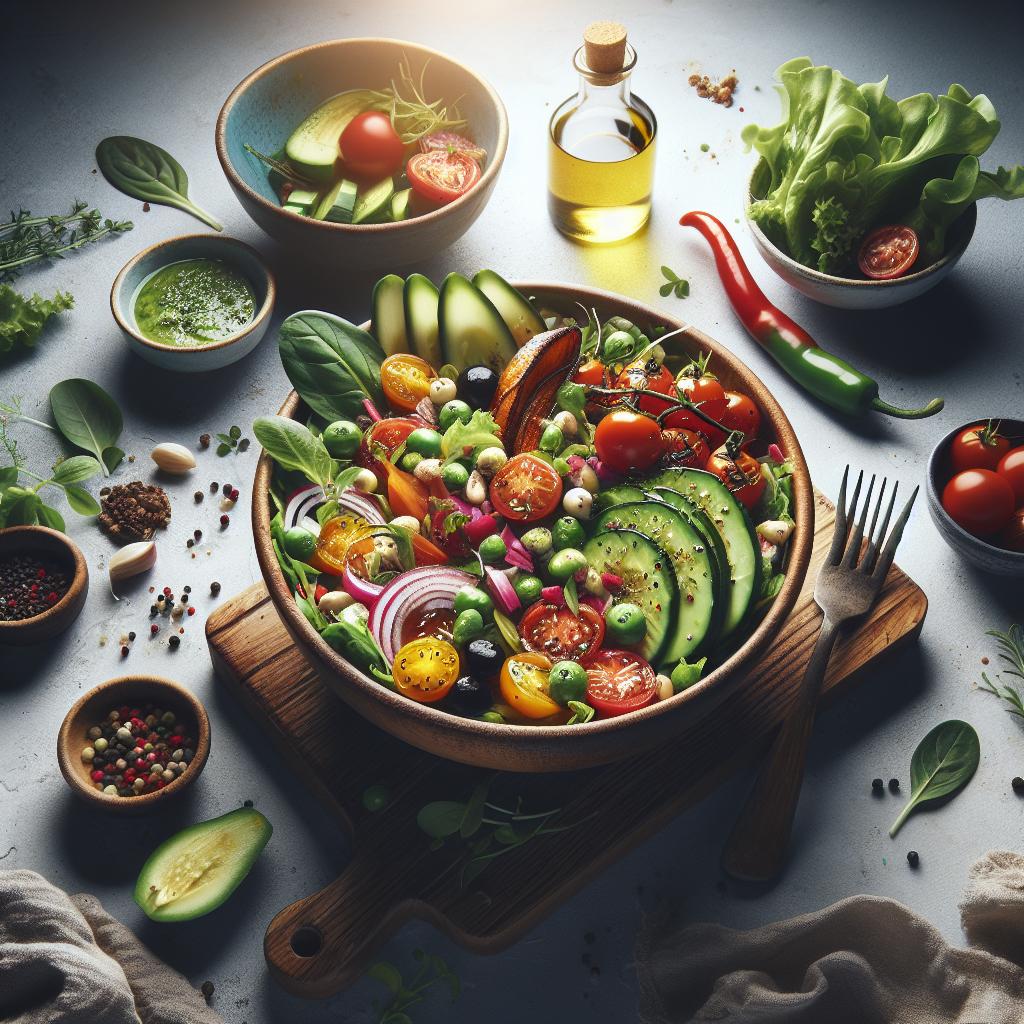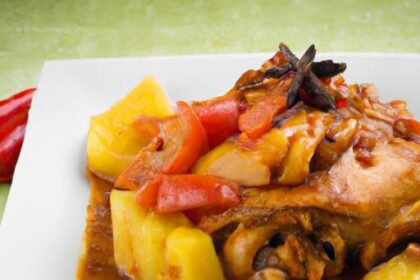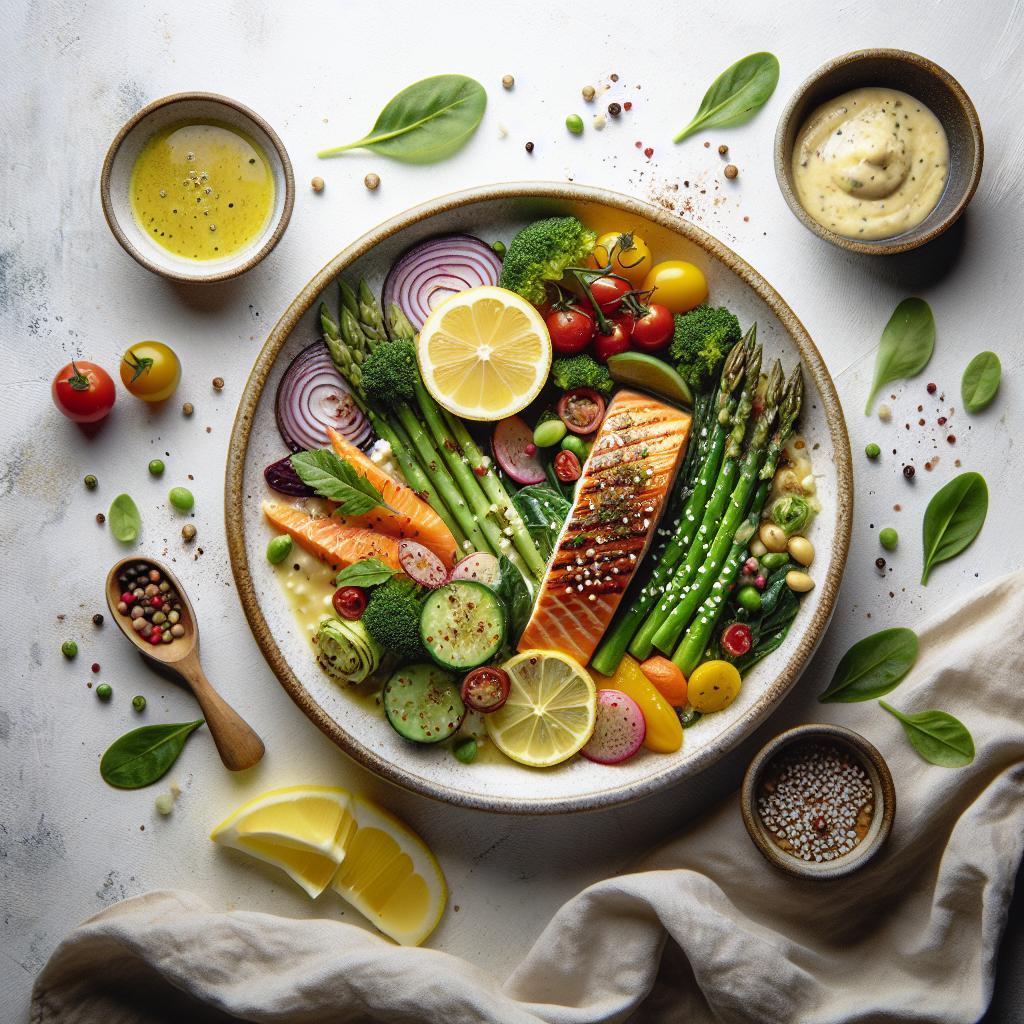

In a world where culinary boundaries are constantly pushed and palates evolve with every bite, the art of cooking finds itself at a fascinating crossroads. “Modern Twists: Adapting Authentic Recipes for Today’s Kitchen” invites you to explore how cherished traditional dishes can be lovingly transformed to fit contemporary lifestyles without losing their soul. By blending time-honored techniques with innovative ingredients and tools, today’s home chefs and food enthusiasts are reinventing heritage recipes-honoring the past while embracing the present. Join us on this flavorful journey where authenticity meets creativity, and where every plate tells a story both old and new.
Modern Twists breathe new life into classic dishes by harmonizing timeless flavors with inventive ingredients and streamlined cooking methods. Today, we explore a reimagined take on the beloved Italian Risotto-celebrated for its creamy texture and rich history-infused with contemporary elements that simplify preparation and add a fresh burst of flavor. This version retains the comforting soul of a traditional risotto but elevates it with the use of cauliflower rice and a touch of white miso for umami depth, creating an approachable dish that any home cook can master.
Prep and Cook Time
Preparation: 10 minutes
Cooking: 25 minutes
Total Time: 35 minutes
Yield
Serves 4
Difficulty Level
Medium
Ingredients
- 1 ½ cups Arborio rice
- 1 cup cauliflower rice (finely grated or processed)
- 4 cups low-sodium vegetable broth, warmed
- 1 medium onion, finely chopped
- 3 cloves garlic, minced
- 2 tablespoons olive oil
- 2 tablespoons unsalted butter
- 2 tablespoons white miso paste
- ½ cup dry white wine (optional)
- ½ cup freshly grated Parmesan cheese
- Fresh thyme leaves for garnish
- Salt and freshly ground black pepper, to taste
Instructions
- Warm the broth: Place the vegetable broth in a saucepan over low heat to keep warm throughout the cooking process.
- Sauté aromatics: In a large skillet, heat olive oil and 1 tablespoon butter over medium heat. Add the chopped onion and garlic, sautéing until translucent and fragrant, about 4 minutes.
- Add the Arborio rice: Stir the rice into the pan, coating each grain with the butter and oil mixture. Toast gently for 2-3 minutes until the edges become slightly translucent.
- Deglaze with wine: Pour in the white wine, if using, stirring constantly until the liquid has mostly evaporated.
- Incorporate cauliflower rice: Stir in the cauliflower rice, blending it thoroughly with the arborio to add volume and subtle sweetness while lightening the dish’s texture.
- Begin broth absorption: Ladle in about ½ cup of warm broth, stirring frequently to encourage the rice to release its starch. Allow the liquid to absorb before adding more.
- Continue gradually adding broth: Repeat adding broth in ½ cup increments, stirring frequently, until the rice is tender but still al dente, about 18-20 minutes total.
- Finish with miso and cheese: Turn off the heat and stir in the white miso paste, remaining butter, and Parmesan cheese until fully incorporated and creamy. Season with salt and pepper to taste.
- Rest and serve: Cover the pan and let stand for 2 minutes. Spoon risotto onto warm plates, garnish with fresh thyme leaves for a fragrant, visually vibrant finish.
Chef’s Notes
- For a vegan variation, swap butter with coconut oil and substitute the Parmesan cheese for nutritional yeast or vegan cheese alternatives.
- Using cauliflower rice not only reduces carbohydrates but adds a subtle nutty flavor and boosts vegetable intake effortlessly.
- Constant stirring is key for a perfect risotto texture; it releases starch that gives this dish its signature creaminess.
- Make-ahead tip: Prepare the risotto base and broth mixture separately, then combine gently just before serving to maintain optimal texture.
Serving Suggestions
Plate this Modern Twists risotto alongside grilled lemon-marinated chicken or pan-seared wild mushrooms for a balanced, hearty meal. Garnish generously with fresh thyme and a drizzle of truffle oil to amplify earthiness. For a pop of color and texture, serve atop a rustic wooden board with a side of crisp arugula salad tossed in a light balsamic vinaigrette.

| Nutrient | Per Serving |
|---|---|
| Calories | 310 |
| Protein | 8g |
| Carbohydrates | 48g |
| Fat | 7g |
Discover more on risotto techniques and tips to refine your skills further. Also, explore our detailed guide on innovative ingredient substitutions to keep your kitchen creations fresh and exciting.
Q&A
Q&A: Modern Twists – Adapting Authentic Recipes for Today’s Kitchen
Q1: What does it mean to give an authentic recipe a “modern twist”?
A1: Giving a recipe a modern twist means honoring its traditional roots while reimagining it for contemporary kitchens and palates. It’s about blending time-honored flavors with new techniques, ingredients, or presentations that make the dish more accessible, health-conscious, or visually appealing without losing its soul.
Q2: Why is it important to adapt authentic recipes rather than just replicate them?
A2: Adapting recipes allows us to keep culinary traditions alive in a world that’s constantly evolving. Modern lifestyles, ingredient availability, dietary preferences, and cooking technology all shape how we eat today. By updating recipes thoughtfully, we foster creativity, inclusivity, and sustainability-all while preserving cultural heritage.
Q3: How can one maintain authenticity while making these adaptations?
A3: The key is respect-for the original ingredients, techniques, and spirit of the dish. Focus on the core flavors and intent behind the recipe, then experiment with substitutions or methods that enhance rather than replace. For example, swapping out an uncommon spice for a locally available equivalent or using an air fryer instead of deep-frying to reduce fat.
Q4: Can you share an example of a dish that benefits from a modern twist?
A4: Take the classic ratatouille-traditionally a rustic vegetable stew. A modern twist might be layering the vegetables in an elegant spiral pattern and roasting them to caramelized perfection, creating a dish that’s as visually stunning as it is flavorful. This turns a humble farmers’ meal into a restaurant-worthy plate with minimal alteration.
Q5: How do modern kitchen technologies influence recipe adaptation?
A5: Innovative tools like sous vide machines, instant pots, and air fryers open new doors for recreating traditional dishes with precision and efficiency. They can improve texture, reduce cooking time, and help preserve nutrients, making old favorites easier and healthier to enjoy in today’s busy kitchens.
Q6: What role do dietary trends play in reshaping traditional recipes?
A6: Dietary preferences-such as veganism, gluten-free diets, or low-carb lifestyles-encourage creative re-imagining. For example, traditional dairy-heavy sauces can be made with plant-based milks, or grain-based dumplings replaced with vegetable alternatives, thus ensuring these dishes remain relevant and enjoyable to a wider audience.
Q7: What advice would you give to home cooks wanting to experiment with modernizing their family recipes?
A7: Start small-swap one or two ingredients for healthier or more accessible options, or try a new cooking method on a familiar dish. Keep notes on what works and tastes good. Above all, embrace curiosity and flexibility; the magic happens when tradition meets innovation in your very own kitchen.
To Conclude
As culinary traditions continue to evolve, the beauty of adapting authentic recipes for today’s kitchen lies in the harmonious blend of heritage and innovation. By honoring the essence of classic flavors while embracing contemporary techniques and ingredients, we not only preserve cultural stories but also inspire new generations of food lovers. Modern twists invite us to experiment confidently, transforming beloved dishes into vibrant expressions of today’s palate-proving that authenticity and creativity can coexist deliciously on every plate. Whether you’re a seasoned chef or an enthusiastic home cook, the journey of adaptation opens doors to endless possibilities, reminding us that the heart of any recipe beats strongest when it adapts and thrives in the moment.