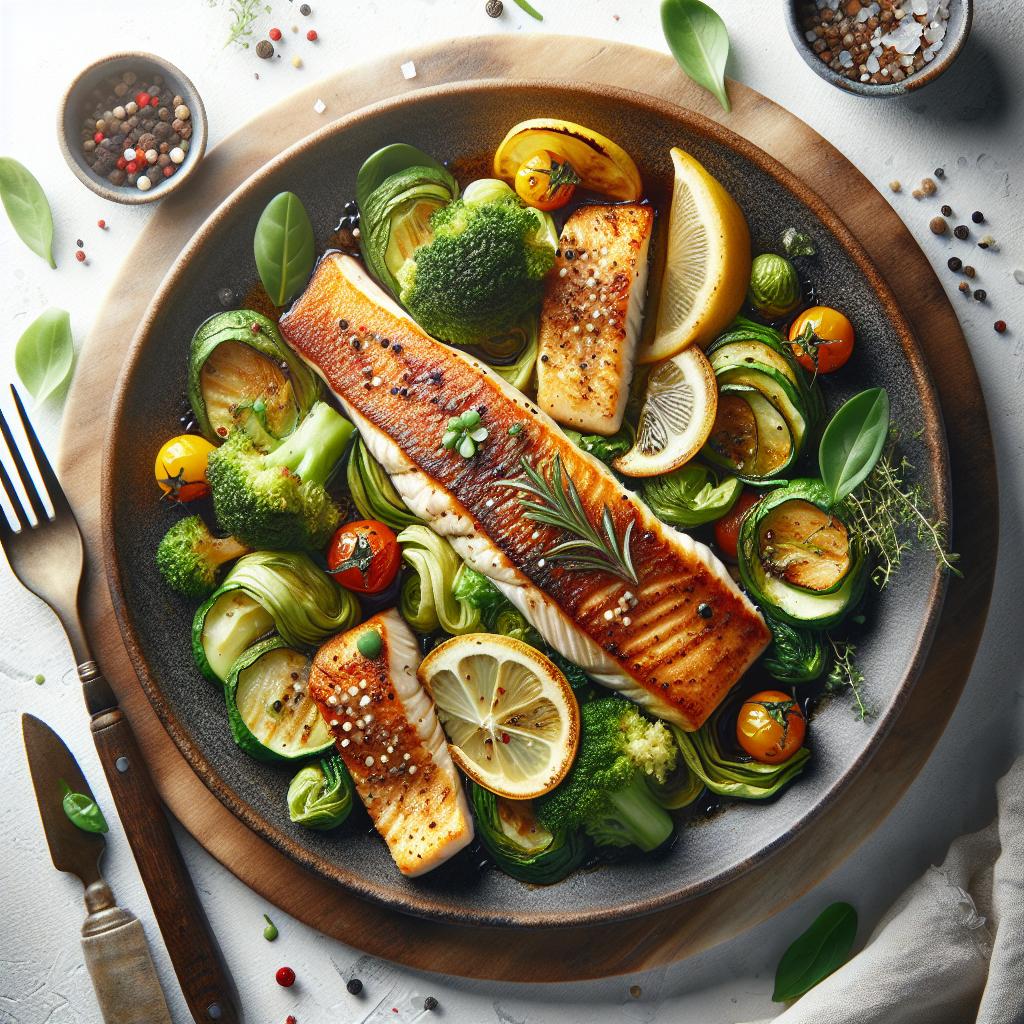

There’s something undeniably satisfying about sinking your fork into a flaky, tender fish fillet-especially when it’s baked to perfection. But beyond its delicate texture and subtle flavors lies a treasure trove of health benefits that make baked fish an unrivaled star in the kitchen. In “Deliciously Healthy: Mastering the Art of Baked Fish Fillets,” we’ll dive deep into the techniques, tips, and recipes that transform simple fillets into mouthwatering meals brimming with nutrition. Whether you’re a seasoned chef or a curious beginner, prepare to discover how easy it is to create dishes that are as good for your body as they are for your taste buds. Let’s embark on a culinary journey where health meets flavor, and every bite tells a wholesome story.
Choosing the Freshest Fish for Perfectly Baked Fillets
Deliciously Healthy baked fish fillets start with selecting the freshest fish available. Opt for firm, translucent flesh that bounces back when gently pressed. The smell should be briny and fresh, not fishy or sour. Whether you prefer cod, halibut, or snapper, choosing wild-caught varieties enhances flavor and texture naturally. Local fish markets or trusted seafood counters often provide daily catches, and don’t hesitate to ask about the fish’s origin and arrival time to ensure peak freshness.
Essential Seasonings and Marinades to Elevate Flavor Naturally
Simple, fresh seasonings can transform your fish fillet into a taste sensation. Classic combinations of lemon zest, garlic, and fresh herbs like dill, parsley, or thyme bring brightness without overpowering the delicate fish flavor. Marinades featuring olive oil, freshly squeezed citrus, and a pinch of sea salt help keep the fillets moist and infused with subtle aromas. For a touch of warmth, add smoked paprika or a hint of crushed red pepper flakes. This approach lets the natural quality of the fish shine through beautifully.
Techniques for Achieving Tender, Flaky Texture Every Time
Mastering the art of baked fish fillets means mastering texture. Preheat your oven to a moderate 375°F (190°C) to ensure even cooking without drying the fish. Place fillets skin-side down on a lightly oiled baking sheet or parchment paper. Cover loosely with foil to trap moisture while baking. Check for flakiness by gently pressing the fillet with a fork at around 12 minutes; the fish should separate easily into tender flakes but remain moist inside. Overbaking is the most common pitfall-remember, the fish will continue to cook slightly after removal from the oven.
Healthy Sides and Garnishes to Complement Your Baked Fish
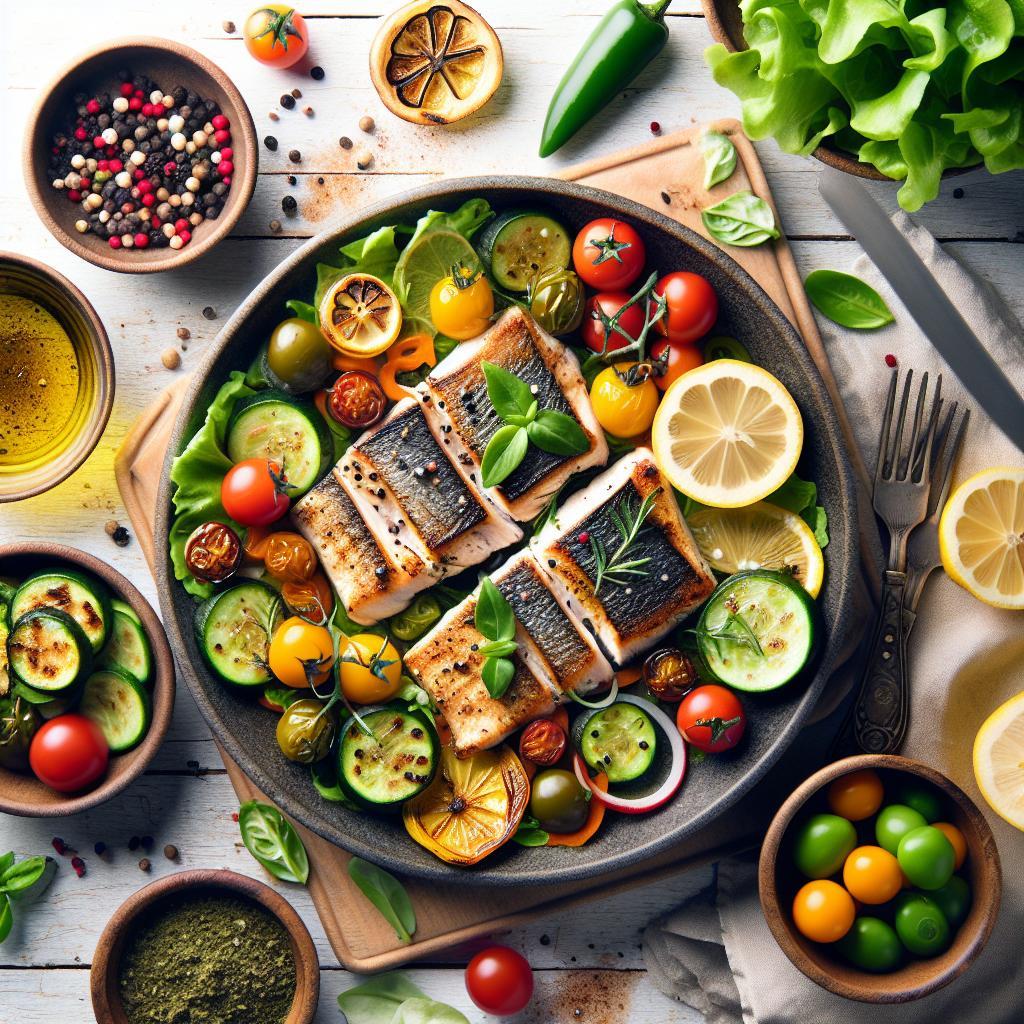
Complement your perfectly baked fish with vibrant, wholesome sides that enhance both nutrition and presentation. Roasted asparagus spears or steamed green beans tossed with olive oil and lemon are classic choices. Light quinoa salads with cucumber, cherry tomatoes, and fresh herbs add color and texture contrasts. Garnish with thin lemon wedges, a sprinkle of toasted pine nuts, or a fresh herb chiffonade. A drizzle of extra virgin olive oil or a dollop of avocado crema can elevate each bite while keeping the meal balanced and nourishing.
Prep and Cook Time
- Preparation: 15 minutes
- Cooking: 12-15 minutes
- Total: 30 minutes
Yield
- Serves 4
Difficulty Level
- Easy
Ingredients
- 4 fish fillets (6 oz each, such as cod, halibut, or snapper, skin on, fresh)
- 2 tbsp extra virgin olive oil
- 1 lemon (zested and juiced)
- 3 cloves garlic, minced
- 1 tbsp fresh dill, chopped
- 1 tbsp fresh parsley, chopped
- 1 tsp smoked paprika
- ½ tsp sea salt
- ¼ tsp freshly ground black pepper
- Optional: pinch of crushed red pepper flakes
Instructions
- Preheat your oven to 375°F (190°C) and line a baking tray with parchment paper or lightly oil it.
- In a small bowl, combine olive oil, lemon zest, lemon juice, minced garlic, fresh dill, parsley, smoked paprika, salt, and pepper. Whisk together until emulsified.
- Pat dry the fish fillets using paper towels-this helps the seasoning adhere and promotes even cooking.
- Brush both sides of fillets evenly with the marinade, reserving a tablespoon for basting after baking.
- Place fillets skin-side down on the prepared tray. Cover loosely with aluminum foil to retain moisture.
- Bake in the preheated oven for 12 minutes; then remove foil, baste with remaining marinade, and bake 3 more minutes uncovered for slight browning.
- Test for doneness by gently inserting a fork into the thickest part. The fish should flake easily but remain moist inside.
- Remove from oven and let rest for 2 minutes before serving.
Tips for Success
- Substitution: If fresh herbs are unavailable, 1 teaspoon dried herbs work well.
- Make-Ahead: Marinate fish up to 30 minutes ahead, but avoid longer times to prevent the citrus from cooking the fish prematurely.
- Common Pitfall: Avoid overbaking; check for flakiness a few minutes before the expected finish time.
- Variation: For a buttery twist, brush fillets with a small amount of melted ghee in place of olive oil.
Serving Suggestions
Plate your baked fillets atop a bed of fluffy quinoa or alongside roasted seasonal vegetables. Garnish with fresh lemon wedges and a sprinkle of parsley or dill. For added visual appeal, drizzle a little extra virgin olive oil or a vibrant avocado crema on top. A side of steamed broccolini or an arugula salad with citrus vinaigrette rounds out the plate, offering contrasting textures and flavors that make each bite delightful.
| Nutrient | Per Serving |
|---|---|
| Calories | 240 kcal |
| Protein | 35 g |
| Carbohydrates | 2 g |
| Fat | 8 g |

For further inspiration on wholesome seafood meals, explore our Healthy Seafood Recipes. To understand more about the nutritional benefits of fresh fish, visit FDA’s guidelines on fish consumption.
Q&A
Q&A: Deliciously Healthy – Mastering the Art of Baked Fish Fillets
Q1: Why choose baked fish fillets over other cooking methods?
A: Baking fish fillets is a gentle, health-conscious method that preserves moisture and nutrients without adding excess fat. Unlike frying, baking uses little to no oil, making it a heart-friendly choice. Plus, it unlocks delicate flavors and flaky textures that can make any meal feel gourmet.
Q2: What types of fish work best for baking?
A: Firm, mild-flavored fish like cod, tilapia, haddock, and sole are perfect for baking. They hold their shape well and pair beautifully with herbs and citrus. For richer options, salmon and trout offer a buttery bite that’s also nutrient-dense.
Q3: How do I ensure my baked fish fillets stay moist and tender?
A: The secret is don’t overbake! Preheat your oven, use a moderate temperature around 375°F (190°C), and aim for about 10 minutes per inch of thickness. A drizzle of olive oil or a squeeze of lemon juice before baking locks in moisture and adds zesty freshness.
Q4: Can I add flavors without overpowering the fish?
A: Absolutely! Light herbs like dill, parsley, thyme, or tarragon enhance natural flavors without stealing the spotlight. Garlic, capers, or thin lemon slices provide bursts of brightness. Avoid heavy sauces – simplicity is the key to highlighting your fish’s delicate taste.
Q5: What are some delicious, healthy sides to serve with baked fish fillets?
A: Think colorful – roasted vegetables like asparagus, zucchini, or cherry tomatoes complement baked fish beautifully. Whole grains like quinoa or brown rice add satisfying texture and keep your plate balanced. A fresh green salad with a light vinaigrette brings it all together.
Q6: How can beginners master baking fish without stress?
A: Start with skinless fillets and a trusted simple recipe-like lemon-herb baked cod. Use a timer, prepare all ingredients ahead, and don’t shy away from parchment paper or foil for easy cleanup. Each bake boosts your confidence and sharpens your skill!
Q7: What nutritional benefits come with enjoying baked fish fillets regularly?
A: Fish is a fantastic source of lean protein, omega-3 fatty acids, and essential vitamins like D and B12. Eating baked fish supports heart health, brain function, and inflammation reduction. It’s a delicious way to nourish your body and delight your palate.
Q8: How can I add creative twists to my baked fish fillets?
A: Experiment with global spices-think za’atar, smoked paprika, or curry powder. Top with nuts or seeds for crunch, or finish with a homemade salsa or avocado crema for creaminess. The oven is your canvas-let your culinary imagination run wild while keeping it wholesome.
Mastering baked fish fillets isn’t just about cooking-it’s about crafting meals that are as nourishing as they are mouthwatering. With simple techniques and fresh ingredients, you can bring health and flavor to your table, one perfect fillet at a time.
Insights and Conclusions
In the quest for meals that marry flavor with nourishment, mastering the art of baked fish fillets stands out as a deliciously healthy triumph. With each tender, flaky bite, you’re not just enjoying a dish-you’re embracing a vibrant lifestyle choice that fuels your body and delights your palate. Whether seasoned simply with herbs or paired with bold, inventive sauces, baked fish offers endless versatility and wholesome goodness. So, next time you seek a meal that’s as satisfying as it is smart, let this timeless cooking technique guide your kitchen adventures-because wholesome eating never tasted so good.