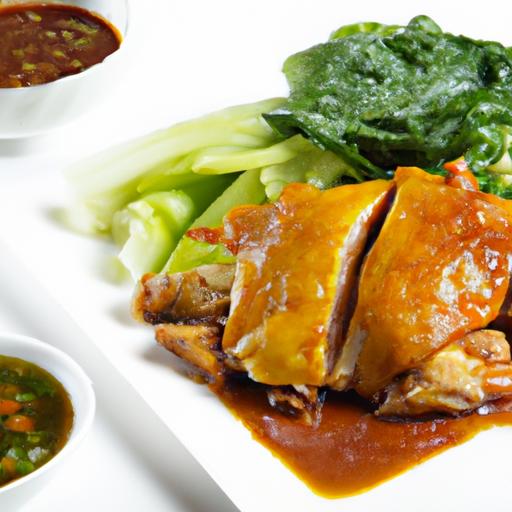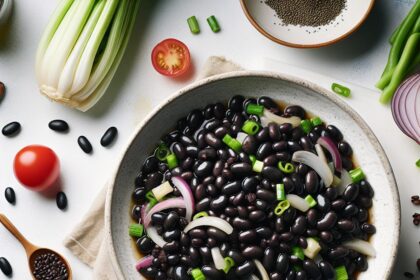

In the vibrant tapestry of Taiwanese cuisine, few dishes capture the essence of home-cooked comfort and bold flavors quite like San Bei Ji-Three-Cup Chicken. This beloved classic, with its fragrant marriage of sesame oil, rice wine, and soy sauce, isn’t just a recipe; it’s a culinary ritual passed down through generations. Mastering San Bei Ji offers more than just a delicious meal-it’s an invitation to explore the heart of Taiwan’s gastronomic heritage, where simple ingredients transform into an unforgettable symphony of taste. Join us as we unravel the secrets behind this iconic dish and discover how to bring the authentic flavors of Taiwan’s Three-Cup Chicken to your own kitchen.
Mastering San Bei Ji: The Art of Taiwan’s Three-Cup Chicken
Mastering San Bei Ji opens a vibrant door into Taiwan’s culinary soul, where bold aromas and rich flavors unite in a timeless dish cherished by locals and food enthusiasts worldwide. This iconic recipe captures the essence of simplicity and sophistication through the perfect harmony of three fundamental ingredients-soy sauce, sesame oil, and rice wine-melded with tender chicken to create the unforgettable “Three-Cup Chicken.” Its story, techniques, and adaptability invite home cooks to embark on a delicious journey of cultural appreciation and kitchen mastery.
Prep and Cook Time
- Preparation: 15 minutes
- Cooking: 25 minutes
- Total Time: 40 minutes
Yield
Serves 4 hearty portions
Difficulty Level
Medium – perfect for enthusiastic home cooks eager to dive into authentic Taiwanese flavors
Essential Ingredients for Authentic San Bei Ji
- 1 whole chicken (about 2 to 2.5 lbs), cut into bite-sized pieces, skin on for richness
- 1/3 cup soy sauce, traditionally light soy for balance
- 1/3 cup toasted sesame oil, the signature fragrant base
- 1/3 cup Shaoxing rice wine, for sweetness and depth
- 8-10 cloves garlic, peeled and lightly crushed to release aroma
- 6-8 slices fresh ginger, thinly sliced
- 1-2 fresh Thai red chilies, halved (optional for heat)
- 1 cup fresh Thai basil leaves, added at the end for vibrant perfume
- 1 tbsp rock sugar or brown sugar, to balance saltiness
Step-by-Step Guide to Perfecting the Signature Three-Cup Sauce
- Prepare the chicken: Rinse and pat dry the chicken pieces. Warm the sesame oil in a heavy wok or cast-iron skillet over medium heat.
- Sauté aromatics: Add garlic and ginger, stirring gently until golden and fragrant, about 3-4 minutes, ensuring not to burn them as this imparts bitterness.
- Add chicken pieces: Toss chicken into the aromatics, stirring to coat thoroughly. Sauté until the skin is lightly browned, approximately 5-7 minutes, turning frequently for even caramelization.
- Pour in the “three cups”: Add the measured soy sauce, sesame oil, and Shaoxing wine along with the rock sugar, stirring gently to dissolve the sugar completely and evenly distribute flavors.
- Simmer uncovered: Reduce heat to medium-low and simmer gently without a lid, allowing the sauce to reduce and thicken into a luscious glaze, about 15 minutes. Stir occasionally so the chicken is well coated and the sauce doesn’t stick.
- Add chilies and basil: When the sauce thickens, add fresh chilies and Thai basil leaves right at the end to preserve their bright flavor and aroma. Stir once and immediately remove from heat.
- Rest and serve: Let the dish rest for 5 minutes to allow the flavors to meld beautifully before plating.
Chef’s Notes: Tips for Success
- Ingredient Quality: Use high-quality soy sauce and sesame oil for authentic taste; toasted sesame oil delivers a nutty fragrance crucial to the dish’s identity.
- Chicken Options: Traditional recipes use free-range chicken for texture, but boneless thighs or drumsticks work well for bite-sized convenience.
- Balancing Flavors: If the three-cup ratio is too salty or strong, modestly dilute with water or extra rice wine during simmering.
- Make Ahead: San Bei Ji tastes even better after resting overnight as flavors deepen. Reheat gently on low flame, adding a sprinkle of fresh basil before serving.
- Vegetarian Twist: Substitute chicken with firm tofu or king oyster mushrooms, following the same method to soak up the intense sauce.
Creative Twists and Serving Suggestions
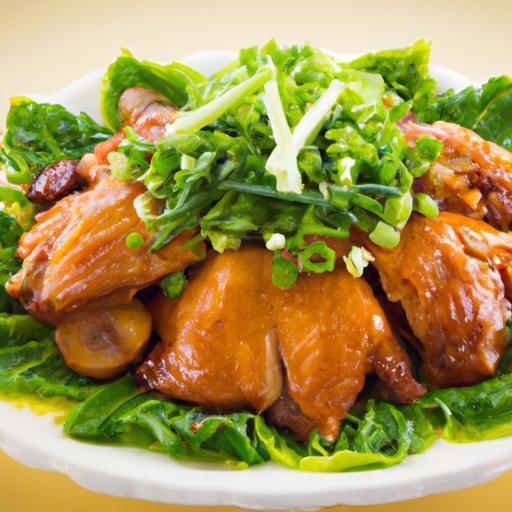
San Bei Ji’s bold sauce complements a variety of bases. Serve atop steamed jasmine rice or fluffy Taiwanese sticky rice to savor every drop of the three-cup glaze. For a modern touch, plate with sautéed bok choy or blanched broccolini dressed lightly in sesame oil and garlic.
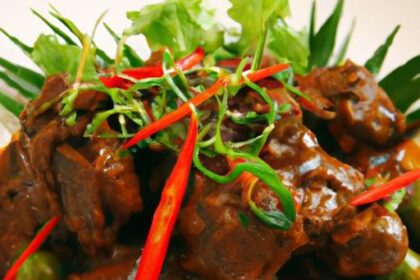
For an elevated presentation, garnish with fresh Thai basil leaves, thinly sliced chili rings, and a sprinkle of toasted sesame seeds. Pair with a light Taiwanese oolong tea or a crisp Riesling to balance the richness.
Nutritional Information per Serving
| Nutrition | Amount |
|---|---|
| Calories | 420 kcal |
| Protein | 38 g |
| Carbohydrates | 6 g |
| Fat | 26 g |
Curious to explore more Taiwanese classics? Discover Taiwanese Beef Noodle Soup for another hearty experience. For ingredient insights, visit Serious Eats – a trusted source for culinary techniques and authenticity.

Q&A
Q&A: Mastering San Bei Ji – The Art of Taiwan’s Three-Cup Chicken
Q1: What exactly is San Bei Ji?
A1: San Bei Ji, which translates to “Three-Cup Chicken,” is a classic Taiwanese dish celebrated for its rich, aromatic flavors. The name comes from the equal “one cup” measures of soy sauce, rice wine, and sesame oil traditionally used to create its signature sauce. This harmonious trio creates a deeply savory, slightly sweet, and fragrant glaze that clings to tender pieces of chicken, typically served sizzling hot.
Q2: Why is San Bei Ji so iconic in Taiwanese cuisine?
A2: Beyond its irresistible flavor, San Bei Ji carries cultural significance. It embodies the spirit of Taiwanese home cooking-comforting, straightforward, and rooted in balance. Its simplicity highlights quality ingredients and technique, making it a beloved dish across generations. The sizzling sound and intoxicating aroma evoke a sense of warmth and hospitality, often enjoyed with steamed rice and fresh basil leaves.
Q3: What are the key ingredients that make San Bei Ji unique?
A3: The magic lies in three central ingredients measured in equal parts: soy sauce for umami depth, Shaoxing rice wine for a subtle fruity tang, and fragrant toasted sesame oil for nuttiness. Fresh garlic, ginger, and Thai basil leaves add layers of pungency and herbal brightness. Traditionally, bone-in chicken pieces are used to enrich the dish’s texture and flavor, but many home cooks adapt with boneless cuts for convenience.
Q4: Can the “three cups” be adjusted, or is the balance crucial?
A4: While the classic formula calls for equal parts, the balance is somewhat flexible depending on personal taste. More soy sauce deepens saltiness, extra sesame oil amplifies aroma, and additional rice wine can lend a lighter, more floral note. The key is to maintain harmony without letting one overpower the others-after all, the dish is a symphony of complementary flavors rather than a solo act.
Q5: What cooking techniques are essential for mastering San Bei Ji?
A5: Patience and attention to heat are paramount. Start by browning the garlic, ginger, and chicken over medium-high heat to awaken their aromas and textures. Then, add the “three cups” and let the sauce reduce slowly, coating the chicken in a luscious glaze. Adding fresh Thai basil near the end preserves its fragrance and introduces a refreshing herbal contrast. Serving immediately while it’s still sizzling enhances the experience.
Q6: How does San Bei Ji reflect Taiwanese culture or philosophy?
A6: This dish is a culinary embodiment of Taiwanese values: simplicity with depth, respect for ingredients, and a communal spirit. San Bei Ji is often enjoyed family-style, encouraging sharing and connection. Its balanced flavors mirror Taiwan’s cultural mosaic-melding Chinese culinary traditions with local ingredients and island aesthetics-creating something distinctively Taiwanese yet universally comforting.
Q7: Can San Bei Ji be adapted for modern or international palates?
A7: Absolutely. Some cooks experiment with alternative proteins like tofu, mushrooms, or seafood, while others tweak the seasoning to suit dietary preferences such as reducing salt or substituting gluten-free soy sauce. Fusion renditions might incorporate unique herbs or spices. However, preserving the essence-the equal parts sauce and the fragrant glaze-is key to honoring the dish’s spirit even in adaptation.
Q8: What tips can aspiring cooks use to truly master San Bei Ji?
A8: Focus on quality: fresh chicken, aromatic basil, and authentic sesame oil elevate the dish. Don’t rush the reduction process-letting the sauce thicken naturally creates an irresistible glaze. Use bone-in chicken for richer flavor if possible. Timing is crucial; add basil at the very end for a burst of fragrance. Lastly, embrace the dish as a sensory experience-listen to the sizzle, inhale the aroma, and enjoy the communal joy around the table.
Mastering San Bei Ji is more than following a recipe; it’s engaging in a tradition of flavor, balance, and Taiwanese hospitality. With practice and passion, you too can bring the heart of Taiwan’s kitchen to your table.
To Conclude
As the final wisp of fragrant basil fades and the last drop of glossy sauce is savored, mastering San Bei Ji reveals more than just a recipe-it opens a portal into Taiwan’s rich culinary heritage. This humble three-cup chicken, with its harmonious blend of soy, rice wine, and sesame oil, invites both novice cooks and seasoned chefs to embrace a timeless dance of flavors and technique. Whether served steaming over a bed of jasmine rice or shared amidst lively conversation, San Bei Ji stands as a vibrant testament to the art of balancing simplicity and depth. So, tie on your apron, gather your ingredients, and let this iconic dish guide you on a delicious journey through Taiwan’s heart and soul-one perfectly glazed bite at a time.