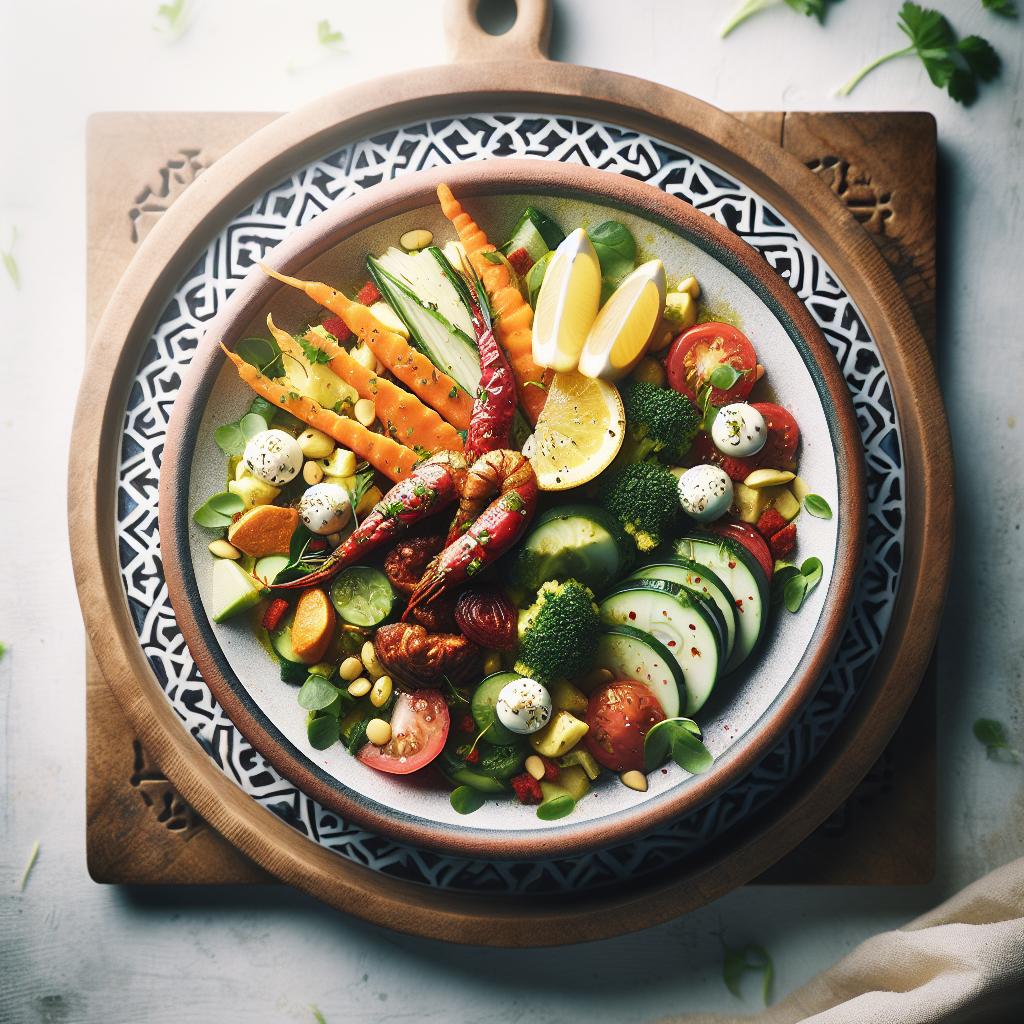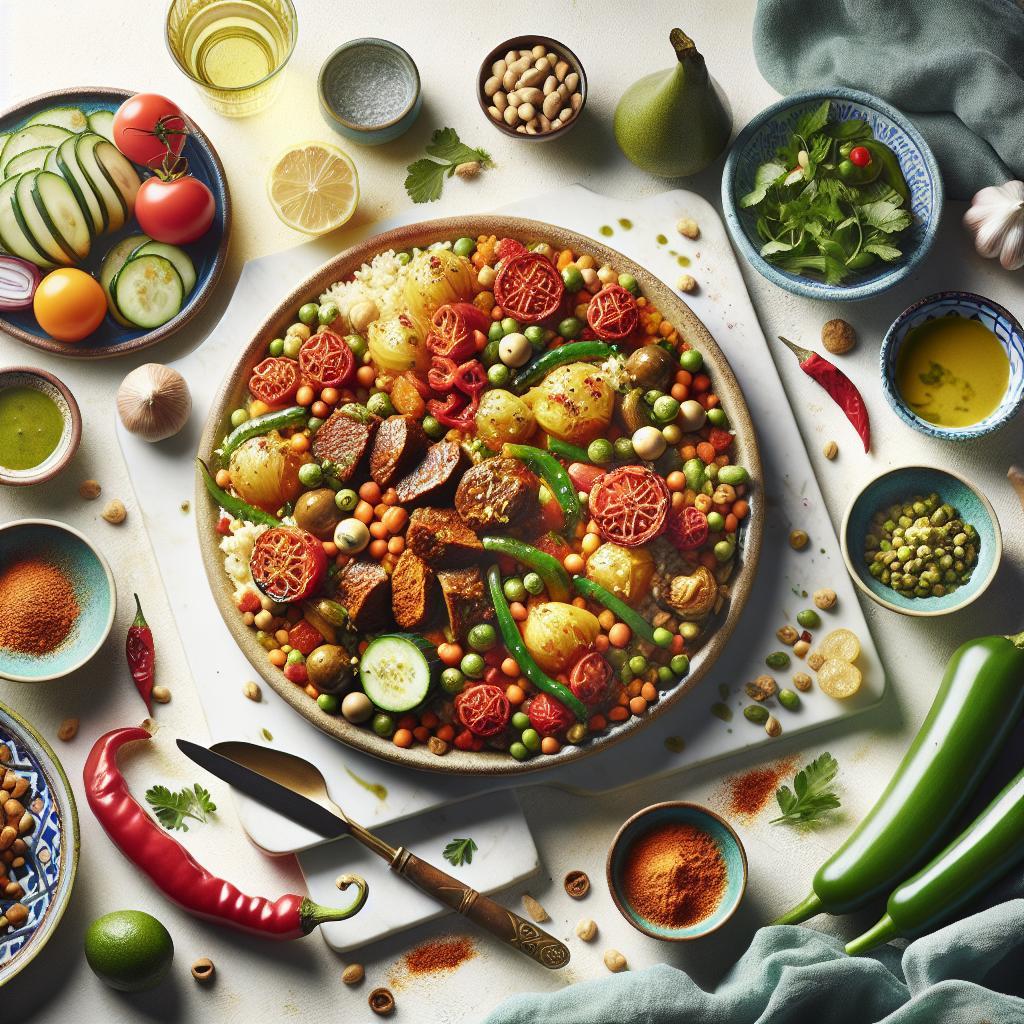

Step into a world where spices dance on your palate, where every bite tells a story of ancient traditions and vibrant cultures. Mastering Moroccan Flavors: Cooking Like a Top Chef invites you on a culinary journey through bustling souks, fragrant spice markets, and sun-kissed kitchens. Here, the art of Moroccan cooking unfolds with dazzling complexity-tagines simmer slowly, preserved lemons add a tangy twist, and harissa ignites the senses. In this article, you’ll uncover the secrets behind these iconic flavors and learn to wield them with the confidence and creativity of a seasoned chef. Prepare to elevate your cooking, awaken your senses, and bring the heart of Morocco to your table.
Mastering Moroccan Flavors: Cooking Like a Top Chef
Mastering Moroccan flavors starts with embracing the vibrant harmony of spices and aromatics unique to North Africa’s culinary heart. Moroccan cuisine enchants with its blend of warmth, sweetness, and savory depth – a fusion perfected through traditional techniques and authentic ingredients. From fragrant tagines simmered to tender perfection to fluffy couscous flecked with herbs and dried fruits, this recipe guide invites you to create dishes that are as visually stunning as they are soul-satisfying. Inspired by my travels through the bustling souks of Marrakech and the intimate cooking sessions with local chefs, I’m excited to share how to replicate these profound flavors in your kitchen.
Prep and Cook Time
- Preparation: 20 minutes
- Cooking (Tagine): 1 hour 30 minutes
- Couscous steaming: 30 minutes
Yield
4 hearty servings
Difficulty Level
Medium – ideal for those ready to take their flavor-building skills up a notch
Ingredients
- For the Tagine:
- 2 lbs lamb shoulder, cut into chunks
- 3 tbsp olive oil
- 1 large onion, finely chopped
- 4 garlic cloves, minced
- 1 tsp ground cinnamon
- 1 tsp ground cumin
- 1 tsp ground ginger
- ½ tsp turmeric
- ½ tsp smoked paprika
- Salt and freshly ground black pepper, to taste
- 1 cup chicken broth
- 1 cup dried apricots, chopped
- ½ cup almonds, toasted
- Fresh cilantro and parsley, chopped, for garnish
- For the Couscous:
- 2 cups fine couscous
- 2 cups boiling water or stock
- 2 tbsp unsalted butter
- 1 tsp ground cinnamon
- 1 tsp sugar (optional)
- Pinch of salt
Instructions
- Prepare the tagine base: In a large, heavy-bottomed pot or traditional tagine, heat olive oil over medium heat. Add onions and sauté until soft and translucent, about 5 minutes.
- Brown the meat: Add the lamb chunks and garlic, stirring to coat with oil. Cook until meat is browned on all sides, about 8-10 minutes.
- Spice it up: Sprinkle the cinnamon, cumin, ginger, turmeric, paprika, salt, and pepper over the meat. Stir well, letting the spices release their aroma – about 2 minutes.
- Simmer slowly: Pour in the chicken broth, bring to a gentle boil, then lower heat. Cover and simmer for 1 hour to 1 hour 15 minutes, or until the lamb is meltingly tender.
- Finish with sweet notes: Stir in chopped apricots and almonds 10 minutes before the end, allowing them to soften and infuse the dish with their sweet aroma.
- Prepare couscous: Place couscous in a large bowl. Pour boiling water or stock over it, add salt, sugar, and cinnamon, then cover tightly. Let stand for 10 minutes.
- Fluff and butter: Add butter to the couscous, fluffing it with a fork to separate grains. For a more authentic texture, steam the couscous in a traditional couscoussier for an additional 20 minutes while fluffing once midway.
- Plate and garnish: Serve the tagine over or alongside the fluffy couscous. Sprinkle with freshly chopped cilantro and parsley for a burst of vibrant color and brightness.
Tips for Success
- Use fresh, high-quality spices – toast whole spices and grind them if possible for an elevated aroma.
- Control moisture in the tagine; if it dries out, add a splash more broth or water to keep the lamb tender and juicy.
- For a vegetarian twist, substitute lamb with a mix of root vegetables like carrots, squash, and chickpeas.
- Couscous can be prepared ahead and gently reheated by steaming or microwaving with a damp paper towel to retain moisture.
- Try adding preserved lemons or olives for an even deeper traditional Moroccan flavor profile.
Expert Techniques for Balancing Sweet and Savory
Achieving the perfect balance between sweet dried fruits and savory spices in Moroccan dishes requires understanding the layering of flavors. Introduce dried apricots or raisins towards the end of cooking to maintain their texture while mellowing their sweetness through gentle heat. Complement these with toasted nuts for texture contrast, and always finish with fresh herbs to brighten the dish. Adjust salt levels carefully, as this amplifies both sweet and savory notes without overpowering the delicate spices.
Serving Suggestions
Present your tagine and couscous on a large, colorful platter to celebrate the communal spirit of Moroccan dining. Garnish with pomegranate seeds for a jewel-like sparkle and a squeeze of fresh lemon juice to liven each bite. Serve warm with traditional Moroccan mint tea, and encourage sharing to truly embrace Morocco’s rich culinary culture.

| Nutrient | Per Serving |
|---|---|
| Calories | 550 kcal |
| Protein | 42 g |
| Carbohydrates | 45 g |
| Fat | 20 g |
For deeper insights on Moroccan spice blends and their cultural significance, visit Serious Eats. To explore other North African delicacies and recipes, check out our comprehensive Moroccan cuisine guide.
Q&A
Q&A: Mastering Moroccan Flavors – Cooking Like a Top Chef
Q1: What makes Moroccan cuisine so unique and celebrated worldwide?
A: Moroccan cuisine is a vibrant tapestry of flavors, colors, and aromas. It masterfully blends spices like cumin, coriander, saffron, and cinnamon with fresh herbs, preserved lemons, and olives. The balance of sweet and savory, along with slow-cooked techniques such as braising tagines, creates a sensory experience that’s both comforting and exotic.
Q2: I’ve heard Moroccan dishes often use a spice blend called ras el hanout. What is it exactly?
A: Ras el hanout translates to “head of the shop,” implying it’s the best blend a spice merchant can offer. It typically includes a complex mix of 10 to 30 spices – think cardamom, nutmeg, turmeric, and even rosebuds. Each blend is unique, so mastering ras el hanout is like holding a key to authentic Moroccan flavor.
Q3: How important is the tagine in Moroccan cooking, and can I replicate its results without the traditional pot?
A: The tagine is both a dish and a vessel – a conical clay pot that encourages slow, moist cooking, which tenderizes meats and merges flavors beautifully. While using a traditional tagine pot is ideal, you can mimic results with a heavy, covered Dutch oven or slow cooker. The essence lies in slow cooking with steam circulation.
Q4: What are some basic tips for balancing the intense spices and flavors when cooking Moroccan food at home?
A: Moroccan dishes thrive on harmony – layering spices gently rather than overwhelming the palate. Toast spices before grinding to unlock depth. Incorporate sweetness (like dried fruits or honey) and acidity (preserved lemon or fresh lemon juice) to balance richness. Always taste as you go and adjust the seasoning gradually.
Q5: Can you recommend a beginner-friendly Moroccan recipe that captures the essence of this cuisine?
A: A classic chicken tagine with preserved lemons and green olives is a fantastic starting point. It combines tender meat, bright citrus, earthy olives, and aromatic spices in one dish. Plus, it’s forgiving for newcomers – just prepare, simmer slowly, and let the flavors mingle.
Q6: How do Moroccan chefs achieve those vibrant, fresh flavors alongside rich, slow-cooked dishes?
A: It’s all about contrast and freshness. Chefs combine hearty, slow-cooked stews with crisp salads, refreshing mint tea, and freshly baked bread like khobz. Fresh herbs like cilantro and parsley are often added at the end to brighten the dish, creating a dynamic interplay of textures and tastes.
Q7: Beyond food, what cultural aspects influence Moroccan cooking techniques and flavor profiles?
A: Moroccan cuisine reflects its crossroads between Arab, Berber, Mediterranean, and African influences. Rituals like communal eating foster sharing dishes from large tagines. The use of spices and preparation methods often ties back to centuries-old traditions, marketplace discoveries, and seasonal ingredients guided by Morocco’s diverse geography.
Q8: How can home cooks develop their palate to appreciate and recreate complex Moroccan dishes?
A: Developing a Moroccan palate is a delicious adventure. Start by tasting individual spices and ingredients separately to understand their character. Experiment with small batches of spice blends. Engage all senses – smell the aromas, taste often, and observe how flavors evolve during cooking. Most importantly, cook with curiosity and joy.
Q9: Are there any common mistakes to avoid when cooking Moroccan dishes at home?
A: Yes! Avoid rushing the cooking process – Moroccan food benefits from patience and slow simmering. Don’t overdo the spices; subtlety is key. Be careful when substituting ingredients; for example, preserved lemons add unmistakable tang that fresh lemon can’t replicate. Lastly, don’t skip freshly chopped herbs, as they add critical brightness.
Cooking Moroccan food like a top chef means embracing tradition while adding your own creativity. With patience, quality spices, and an open heart, your kitchen can transport you straight to the bustling souks and sun-drenched patios of Morocco. Bon appétit!
In Retrospect
As you close the pages on your culinary journey through Moroccan flavors, remember that mastering these vibrant tastes is not just about following recipes-it’s about embracing a culture rich with history, passion, and creativity. Like a top chef, let your senses guide you through fragrant spices, layered textures, and bold combinations. With each dish you craft, you’re not only cooking food; you’re telling a story of ancient souks, sun-drenched markets, and family gatherings filled with laughter. So, roll up your sleeves, dive into the magic of Moroccan cuisine, and transform your kitchen into a vibrant tapestry of flavor that will captivate every palate you encounter. The art of Moroccan cooking is yours to master-one exquisite bite at a time.