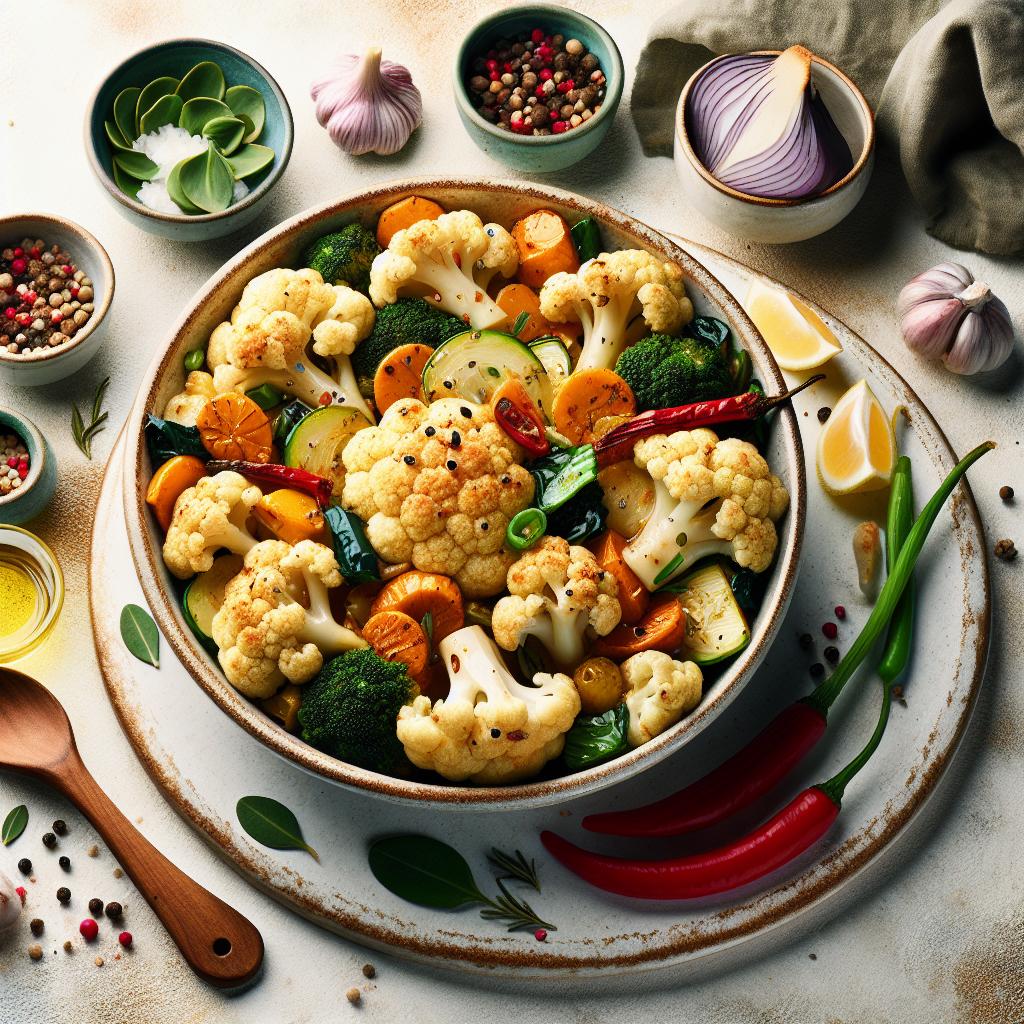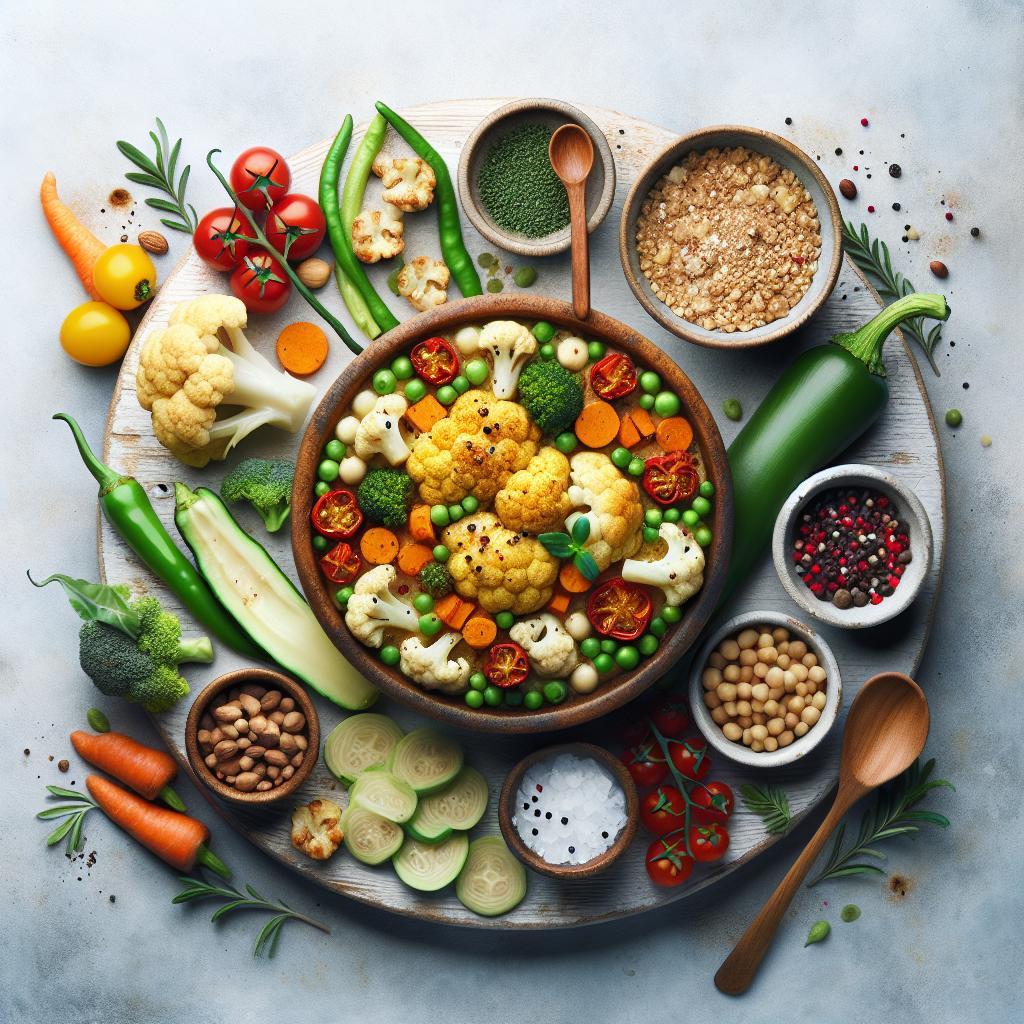

There’s something undeniably magical about the humble cauliflower, a versatile vegetable that often flies under the culinary radar. But when it undergoes a slow roast, its natural sugars caramelize, transforming it into a rich, golden treasure bursting with depth and warmth. Enter the roasted cauliflower stew-a comforting, soul-satisfying dish that marries earthy flavors with hearty textures, perfect for cozy evenings or nourishing meals any time of year. In this guide, we’ll dive into the art of crafting the ultimate roasted cauliflower stew, exploring tips, flavor pairings, and techniques to elevate this everyday ingredient into a star attraction on your dinner table. Savor the flavor as we unlock the secrets to a stew that’s as wholesome as it is unforgettable.
Savor the Flavor: A Hearty Guide to Roasted Cauliflower Stew
Savor the flavor of this beautifully roasted cauliflower stew that transforms humble ingredients into a soul-warming dish. Rooted in the tradition of comforting autumn meals, this stew draws from the rustic charm of slow cooking and the rich, nutty profile that roasting imparts to cauliflower. Imagine the fragrant aroma of caramelized vegetables melding with deep spices that fill your kitchen and heart alike-this stew invites you to experience warmth and nourishment in every spoonful.
Prep and Cook Time
Preparation: 20 minutes | Cooking: 45 minutes | Total: 1 hour 5 minutes
Yield
Serves 6 hearty bowls
Difficulty Level
Medium – approachable for cooks eager to master seasoning and texture
Ingredients
- 1 large head cauliflower, cut into florets
- 3 tablespoons olive oil, divided
- 1 large onion, finely chopped
- 4 cloves garlic, minced
- 2 medium carrots, diced
- 2 stalks celery, diced
- 1 teaspoon smoked paprika
- 1 teaspoon ground cumin
- ½ teaspoon ground coriander
- ¼ teaspoon cayenne pepper (optional, for warmth)
- 1 teaspoon sea salt, adjust to taste
- ½ teaspoon freshly cracked black pepper
- 1 can (14 oz) diced tomatoes, with juices
- 4 cups vegetable broth, preferably homemade or low sodium
- 1 cup cooked chickpeas (optional for protein boost)
- Fresh herbs for garnish: chopped parsley and thyme
- 1 tablespoon lemon juice, for brightening the stew
Instructions
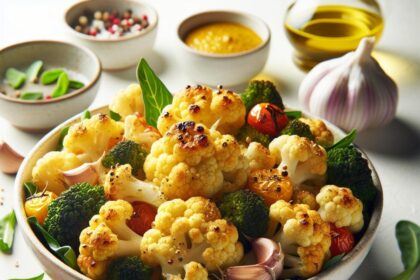
- Preheat your oven to 425°F (220°C). Toss the cauliflower florets with 2 tablespoons of olive oil, a pinch of salt, and a dash of black pepper. Spread them evenly on a baking sheet. Roast until golden and caramelized, about 25 minutes, turning halfway for even browning. The roasting intensifies the cauliflower’s natural sweetness and builds a complex base flavor.
- While the cauliflower roasts, prepare the stew base. Heat the remaining 1 tablespoon of olive oil in a large pot over medium heat. Add the onion, carrots, and celery, sautéing until softened and fragrant, about 7 minutes. Stir frequently to avoid sticking and to build a gentle caramelization.
- Add the garlic, smoked paprika, cumin, coriander, and cayenne, stirring for about 1 minute until fragrant-this step toasting the spices unlocks their aromatic depth.
- Pour in the diced tomatoes with their juices, scraping any browned bits from the bottom of the pot to incorporate flavor.
- Once the cauliflower is roasted, add it to the pot, followed by the vegetable broth. Bring everything to a gentle simmer and cook uncovered for 20 minutes, allowing the stew to thicken and flavors to meld naturally.
- For a richer texture, you can partially blend a portion of the stew. Use an immersion blender to pulse about one-third of the mixture until smooth, then stir it back into the pot. This technique creates a velvety consistency without losing the rustic bite of roasted cauliflower.
- Stir in the cooked chickpeas if using, season with salt and pepper to taste, and finish with the lemon juice. The acidity brightens the stew, balancing the deep roasted notes beautifully.
- Remove from heat and let the stew rest for 5 minutes before serving. This brief pause allows the flavors to stabilize and the texture to perfect itself.
Chef’s Notes: Tips for Success
- Roasting technique: Use a dark, sturdy baking sheet for the best caramelization. Overcrowding will steam the cauliflower instead; ensure pieces have room to crisp.
- Seasoning depth: Don’t rush the sautéing of aromatics and toasting of spices; this is where the stew gains its signature warmth and complexity.
- Make-ahead magic: Stew flavor deepens wonderfully overnight. Store in an airtight container in the fridge for up to 3 days or freeze for up to 1 month.
- Variations: Add roasted sweet potatoes or parsnips for earthier sweetness. A splash of coconut milk stirred in at the end adds silkiness without overpowering the flavors.
- Texture control: Pulse blending enhances body but keep some pieces whole for a satisfying mouthfeel-balance is key.
Serving Suggestions
Serve this stew piping hot in wide bowls, garnished with fresh parsley and thyme for herbal brightness. A dollop of creamy plain yogurt or a spoonful of tahini adds luxurious contrast. For an authentic touch, pair with warm homemade flatbread or hearty whole-grain bread to soak up every luscious spoonful.
This stew also beautifully complements a crisp green salad featuring peppery arugula and a lemon vinaigrette that refreshes the palate between bites.

| Nutrient | Per Serving |
|---|---|
| Calories | 210 kcal |
| Protein | 7 g |
| Carbohydrates | 28 g |
| Fat | 7 g |
For more on mastering stew techniques and seasoning for rich flavor profiles, visit Serious Eats-a top culinary resource trusted by home cooks and chefs alike.
Q&A
Q&A: Savor the Flavor – A Hearty Guide to Roasted Cauliflower Stew
Q1: What makes roasted cauliflower stew different from other vegetable stews?
A1: Roasted cauliflower stew stands out because roasting the cauliflower caramelizes its natural sugars, adding a rich, nutty depth to the stew. This roasting step transforms the vegetable from bland to bold, creating layers of flavor that simmer beautifully in the broth.
Q2: Can I use fresh cauliflower or frozen cauliflower for this stew?
A2: Fresh cauliflower is ideal for roasting since it crisps and caramelizes best, but frozen cauliflower can be a handy substitute if you’re in a pinch. Just make sure to pat it dry before roasting to avoid sogginess and to maximize that sought-after roasted texture.
Q3: What are the key spices and herbs to elevate this stew?
A3: Think warm, earthy spices like cumin, smoked paprika, and turmeric. Fresh herbs like thyme or rosemary add aromatic complexity, while a hint of garlic or ginger offers a punch of warmth. These ingredients mingle with the roasted cauliflower’s flavor, creating an unforgettable stew.
Q4: Is roasted cauliflower stew suitable for vegans and vegetarians?
A4: Absolutely! This stew is naturally plant-based and can be made entirely vegan by using vegetable broth. Its hearty texture and deep flavors make it a satisfying meal for anyone, regardless of dietary preference.
Q5: How can I customize this stew to suit different tastes or dietary needs?
A5: The stew is wonderfully versatile. Add chickpeas or lentils for protein, swap in sweet potatoes for a sweeter twist, or spice it up with chili flakes. For a creamy version, stir in coconut milk or cashew cream towards the end to add richness without dairy.
Q6: What sides pair well with roasted cauliflower stew?
A6: Crusty artisan bread, fluffy rice, or warm naan complement the stew perfectly, soaking up every luscious bite. A fresh green salad or pickled vegetables add a bright counterpoint to the stew’s hearty, roasted richness.
Q7: How far in advance can I prepare the roasted cauliflower for this stew?
A7: You can roast the cauliflower a day ahead and keep it refrigerated. This prep saves time on busy days and allows the flavors to develop even more when incorporated into the stew later.
Q8: Any tips for achieving the perfect texture in roasted cauliflower stew?
A8: Don’t overcrowd your roasting pan-give cauliflower pieces space to crisp beautifully. When simmering the stew, add roasted cauliflower towards the end to prevent it from becoming mushy, preserving that satisfying bite.
Q9: Why is roasting the cauliflower worth the extra effort?
A9: Roasting unlocks a savory depth and caramelized sweetness that boiling or steaming just can’t match. It turns humble cauliflower into the star of the stew, elevating the entire dish from simple to spectacular.
Q10: Can roasted cauliflower stew be frozen?
A10: Yes! This stew freezes well. Store it in airtight containers and thaw gently on the stove. Keep in mind that if you’ve added dairy or coconut milk, you might notice slight separation after freezing, so give it a good stir before serving.
Dive into the cozy, flavor-packed world of roasted cauliflower stew with confidence and creativity-you’re just a roast away from a soul-satisfying meal!
Closing Remarks
As the savory aroma of roasted cauliflower stew lingers on your palate, you’ll find that this humble vegetable-transformed through roasting and simmering-delivers a depth of flavor and comfort that warms both body and soul. Whether you’re a seasoned home cook or simply seeking a nourishing, hearty meal, this guide invites you to savor each spoonful and celebrate the versatility of cauliflower in all its glory. So next time you crave something robust yet wholesome, remember: a pot of roasted cauliflower stew is not just food-it’s an experience, a story, and a celebration of flavor waiting to be shared. Happy cooking!