
In the vibrant world of spices, few blends evoke as much curiosity and culinary passion as garam masala and curry powder. Both are beloved for their unique ability to transform dishes into fragrant feasts, yet they hail from different traditions and tell distinct stories through flavor. Garam masala, rich with warmth and subtlety, and curry powder, bold and versatile, each paint a vivid tapestry on the palate. Join us as we delve into the aromatic depths of these two iconic spice blends-exploring their origins, ingredients, and the magic they bring to kitchens worldwide. Whether you’re a seasoned chef or a curious food lover, understanding garam masala and curry powder is key to unlocking the secrets of countless flavorful creations.
- Understanding the Distinct Origins and Ingredients of Garam Masala and Curry Powder
- Exploring Flavor Profiles and Culinary Uses for Authentic Dishes
- How to Choose Between Garam Masala and Curry Powder for Your Recipes
- Tips for Blending and Storing Your Own Spice Mixes at Home
- Prep and Cook Time
- Yield
- Difficulty Level
- Ingredients for Homemade Garam Masala
- Ingredients for Homemade Curry Powder
- Instructions
- Chef’s Notes
- Serving Suggestions
- Q&A
- Wrapping Up
Understanding the Distinct Origins and Ingredients of Garam Masala and Curry Powder
Garam Masala vs Curry Powder are two iconic spice blends that define flavor profiles across Indian and global cuisines. While they may seem similar at first glance, each brings a unique story, aroma, and zest to the table. Garam Masala, a quintessential North Indian spice mix, is a heady blend of warming spices like Cumin, Coriander, Cardamom, Cloves, and Cinnamon, often toasted whole and ground fresh to release layers of fragrant warmth. On the other hand, Curry Powder, a British colonial-era invention inspired by Indian masalas, is a more versatile and usually milder blend that often combines turmeric for its vibrant yellow hue, along with cumin, coriander, fenugreek, and mustard seeds.
Exploring Flavor Profiles and Culinary Uses for Authentic Dishes
The flavor profiles of these spice blends invite vastly different culinary journeys. Garam Masala lends itself elegantly to robust, slow-cooked dishes like Chicken Tikka Masala or Chana Masala, adding a final flourish of complex warmth and subtle sweetness. Curry Powder generally enhances quicker, everyday dishes – think hearty vegetable stews, creamy lentils, or even simple scrambled eggs with an exotic twist.
Each blend has earned its place in kitchens worldwide, but the key to authenticity lies in how you use them: Garam Masala is often added toward the end of cooking to preserve its aromatics, while Curry Powder tends to be cooked early with oil and aromatics, developing the base flavors of the dish.
How to Choose Between Garam Masala and Curry Powder for Your Recipes
Choosing between these blends depends on the culinary effect you want to achieve. Use Garam Masala when you crave a refined, nuanced warmth that shines through in rich gravies and grilled meats. If you’re aiming for quick-prep, everyday dishes with a vibrant, lively color and mellow spice, Curry Powder is your go-to.
Remember, while both blends feature some overlapping ingredients, swapping them is not always a straightforward option. Understanding each’s distinct characteristics will elevate your kitchen confidence and help you tailor dishes to your personal taste.
Tips for Blending and Storing Your Own Spice Mixes at Home
Nothing beats the fresh, bold flavor of homemade blends. To make your own Garam Masala and Curry Powder, start with whole spices for Garam Masala-toast them gently in a dry pan until fragrant, then grind finely. For Curry Powder, you can combine pre-ground spices or toast seeds like mustard and fenugreek before blending.
- Store your blends in airtight glass containers, away from light and heat, to preserve freshness for up to 3 months.
- For Garam Masala, always grind just before use if possible to get the most aromatic impact.
- Experiment with regional variations by adding spices like nutmeg, star anise, or dried chilies according to your taste preferences.
By mastering these blends, you unlock a world of vibrant dishes, from the fiery street foods of Delhi to the comforting curries of London kitchens.
Prep and Cook Time
- Prep Time: 15 minutes (for homemade blends)
- Cook Time: 30 minutes (varies by dish)
Yield
- Makes approximately 1/2 cup of spice blend (enough for 6-8 servings)
Difficulty Level
- Easy to Medium (depending on recipe complexity)
Ingredients for Homemade Garam Masala
- 1 tbsp cumin seeds
- 1 tbsp coriander seeds
- 1 tsp black peppercorns
- 1 tsp cardamom pods (green)
- 1/2 tsp cloves
- 1 small cinnamon stick (about 2 inches)
- 1/2 tsp ground nutmeg (optional)
Ingredients for Homemade Curry Powder
- 2 tbsp ground turmeric
- 1 tbsp cumin seeds
- 1 tbsp ground coriander
- 1 tsp mustard seeds
- 1/2 tsp fenugreek seeds
- 1 tsp ground ginger
- 1/2 tsp chili powder (adjust to taste)
Instructions
- Toast whole spices for Garam Masala: Heat a dry skillet over medium heat. Add cumin seeds, coriander seeds, black peppercorns, cardamom pods, cloves, and cinnamon stick. Toast for 2-3 minutes, stirring constantly until aromatic. Be careful not to burn.
- Grind toasted spices: Transfer the toasted spices to a spice grinder or mortar and pestle. Grind finely and stir in ground nutmeg. Store in an airtight container.
- Prepare Curry Powder: In the same skillet, gently toast mustard seeds and fenugreek seeds for 1-2 minutes. Remove from heat and let cool.
- Mix ground spices: Combine turmeric, ground coriander, ground ginger, chili powder, toasted mustard and fenugreek seeds, and ground cumin in a bowl. Store in an airtight container.
- Use Carefully: Add Garam Masala toward the end of cooking dishes to preserve aroma. Use Curry Powder early in cooking to allow flavors to bloom in oil or liquid.
Chef’s Notes
- Variation: Add star anise or dried red chilies to Garam Masala for a spicier version.
- Substitution: If you don’t have a spice grinder, use a pre-ground blend but toast gently in a skillet before use to freshen flavors.
- Make Ahead: Both blends improve in flavor after resting for a day but are best used within 3 months.
- Troubleshooting: Avoid overheating spices to prevent bitterness-watch for a golden color and fragrant aroma.
Serving Suggestions
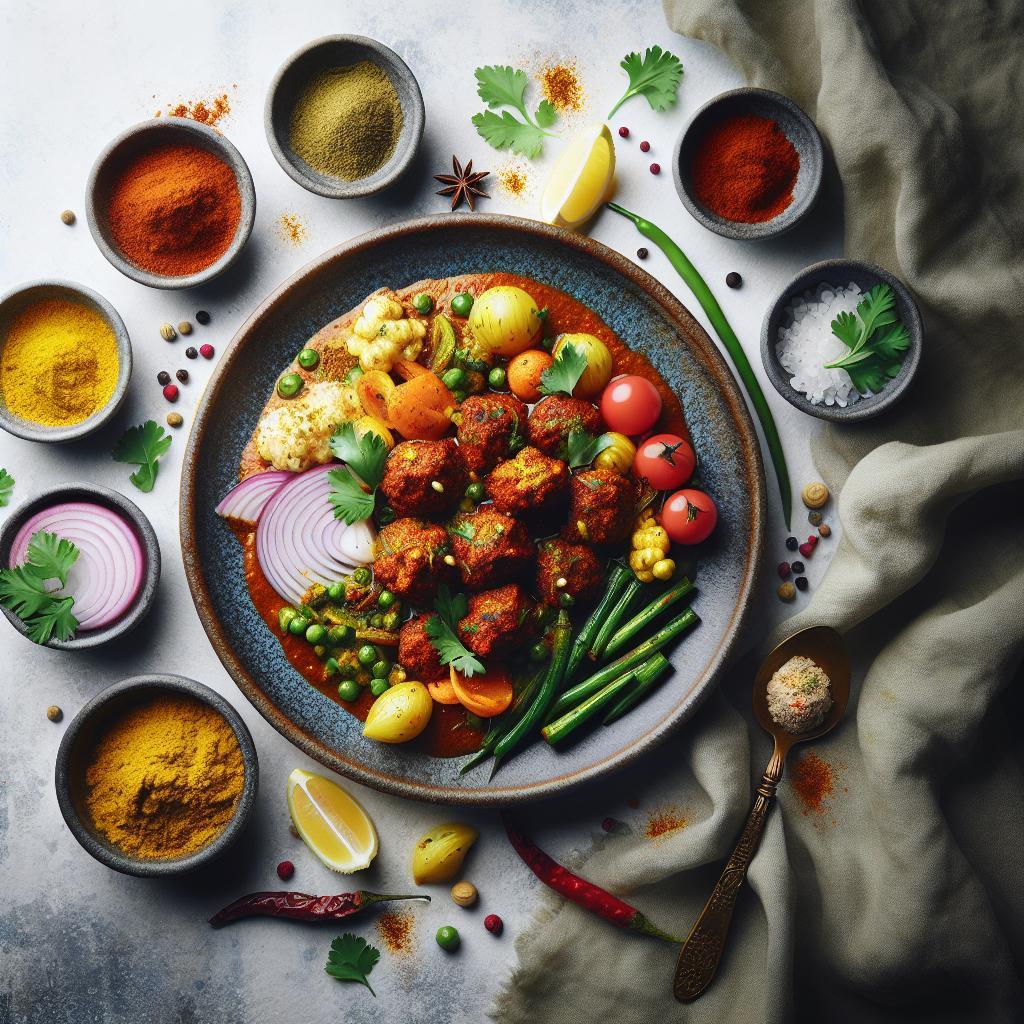
Sprinkle Garam Masala over slow-cooked meats like lamb rogan josh or creamy paneer dishes for a burst of warmth just before serving. Curry Powder shines in vegetable curries, chickpea stews, and even as a seasoning for roasted potatoes or scrambled eggs. Garnish dishes with fresh cilantro, yogurt dollops, or toasted nuts to elevate presentation and texture.

| Spice Blend | Calories (per tbsp) | Protein | Carbs | Fat |
|---|---|---|---|---|
| Garam Masala | 20 | 0.8 g | 3.5 g | 0.6 g |
| Curry Powder | 25 | 1.0 g | 4.0 g | 0.8 g |
For a deeper dive into Indian spice blends, check out our article on Indian Spices Guide. To understand the historical background of curry powder, visit the Britannica overview on Curry.
Q&A
Q&A: Garam Masala vs Curry Powder – Spices That Define Flavor
Q1: What exactly are garam masala and curry powder?
A: Garam masala and curry powder are both fragrant spice blends central to Indian and South Asian cooking, but they aren’t the same. Garam masala is a traditional Indian blend of warm, aromatic spices like cinnamon, cardamom, cloves, cumin, and coriander. Curry powder, on the other hand, is a British invention inspired by Indian flavors, usually including turmeric, cumin, coriander, and sometimes fenugreek or mustard seeds, giving it a bright yellow hue.
Q2: How do their flavor profiles differ?
A: Garam masala is a warm, complex bouquet of spices that adds depth and richness-think cozy, robust, and slightly sweet notes. Curry powder is often brighter and earthier, with turmeric contributing a mild bitterness and an unmistakable golden color. It’s generally less intense but more pungent.
Q3: When should you use garam masala instead of curry powder?
A: Use garam masala as a finishing touch-sprinkle it at the end of cooking to lift and layer flavors without overpowering the dish. It’s perfect for slow-cooked stews, curries, and tandoori dishes. Curry powder is usually added earlier during cooking to infuse oils and form the base spice flavor in soups, sauces, and rice dishes.
Q4: Can I substitute one for the other in recipes?
A: While they can be swapped in a pinch, expect different results. Curry powder will add a bit more earthiness and color, while garam masala brings a warmer, more nuanced aroma. For authentic taste, stick to each spice’s purpose or adjust quantities carefully.
Q5: Are there regional differences in garam masala?
A: Absolutely! Garam masala varies widely across India-from the fiery, mustard seed-rich blends of Bengal to the sweet, cinnamon-heavy mixes of Kashmir. Each region tailors this blend to reflect local preferences and ingredients, making it a wonderfully versatile spice.
Q6: What dishes can highlight the uniqueness of each spice?
A: Garam masala shines in dishes like butter chicken, chana masala, or biryanis, best added near the finish. Curry powder is a star in British-Indian classics like chicken tikka masala or simple vegetable curries and soups where the turmeric’s golden touch enriches the base.
Q7: How do I store these spice blends to keep their magic alive?
A: Both blends are best stored in airtight containers away from light and heat. Because they’re ground spices, their essential oils fade with time-aim to use within six months for maximum flavor punch.
Q8: Can I make garam masala and curry powder at home?
A: Yes! Making your own lets you customize heat and balance. Toast whole spices for garam masala before grinding to unleash their aroma. Curry powder can be adjusted by adding more or less turmeric or chili powder to suit your taste.
In essence, garam masala and curry powder are culinary cousins-each a blend of spices telling a distinct story of flavor, culture, and history. Understanding their differences enriches your cooking and lets you savor the authentic tastes that define global spice traditions.
Wrapping Up
In the vibrant world of spices, garam masala and curry powder each tell their own flavorful story-one rich with tradition, the other a fusion of global influences. Whether you’re drawn to the warm, complex embrace of garam masala or the bold, versatile punch of curry powder, both bring an unmistakable essence to your culinary creations. Understanding their unique origins and compositions not only deepens your appreciation but also empowers you to experiment confidently in the kitchen. So next time you reach for a pinch of magic, remember: these spices don’t just season food-they define the soul of a dish.