In the bustling souks and sun-drenched kitchens of Morocco, a fragrant symphony of spices fills the air-each grain and root telling a story of ancient trade routes, vibrant cultures, and time-honored culinary traditions. Among these aromatic treasures, ginger, cumin, and turmeric stand out not only for their bold flavors but for the rich heritage they carry within every pinch. This article delves into the enchanting world of Moroccan spices, unveiling how these three powerhouses transform simple dishes into vibrant feasts, while revealing their historical significance, health benefits, and the unique role they play in the tapestry of Morocco’s gastronomic identity. Join us on a sensory journey through the spices of Morocco, where every aroma unlocks a new chapter in culinary artistry.
- Unlocking the Aromatic Secrets of Moroccan Ginger and Its Culinary Uses
- Prep and Cook Time
- Yield
- Difficulty Level
- Ingredients
- Instructions
- Chef’s Notes
- Serving Suggestions
- The Bold Flavors of Moroccan Cumin Exploring Traditional Dishes and Health Benefits
- Turmeric in Moroccan Cuisine: A Guide to Its Golden Color and Medicinal Powers
- Mastering Moroccan Flavors Practical Tips for Incorporating These Spices into Your Cooking
- Q&A
- Future Outlook
Unlocking the Aromatic Secrets of Moroccan Ginger and Its Culinary Uses
Spices of Morocco: Ginger, Cumin & Turmeric Unveiled open a fragrant gateway to the lush, vibrant kitchens of North Africa, where every pinch and grind tells a story. Among these treasures, ginger stands out with its zesty warmth and subtle sweetness, a spice that enlivens tagines, harira soups, and sweetened pastries alike. Known for its soothing qualities and ability to brighten any dish, Moroccan ginger is more than a flavor-it’s an essence that awakens the senses.
Prep and Cook Time
- Preparation: 15 minutes
- Cooking: 40 minutes
- Total Time: 55 minutes
Yield
- Serves 4-6 people
Difficulty Level
- Medium – Perfect for adventurous home cooks
Ingredients
- 2 tbsp fresh ginger, finely grated
- 1 tbsp Moroccan ground cumin
- 1 tsp turmeric powder
- 500g lamb shoulder, cut into chunks
- 2 tbsp olive oil
- 1 large onion, finely chopped
- 3 garlic cloves, minced
- 1 can (400g) diced tomatoes
- 500ml chicken or vegetable stock
- 1 tbsp honey
- 1 cinnamon stick
- Salt and freshly ground black pepper, to taste
- Fresh coriander (cilantro) leaves for garnish
- Toasted almond slivers, for garnish
Instructions
- Heat olive oil in a heavy-bottomed pot over medium heat. Add the chopped onion and sauté until soft and translucent, about 5 minutes.
- Add the grated ginger, minced garlic, ground cumin, and turmeric powder. Cook stirring constantly for 2 minutes until spices become fragrant, taking care not to burn.
- Increase heat to medium-high, add lamb chunks, and brown on all sides for 6-8 minutes. Browning locks in flavor and creates a rich base.
- Stir in diced tomatoes, honey, cinnamon stick, and seasoning with salt and pepper. Pour in the stock and bring to a gentle boil.
- Cover and reduce heat to low, simmer for 35-40 minutes or until the lamb is tender and the sauce has thickened slightly.
- Remove the cinnamon stick. Adjust seasoning if needed.
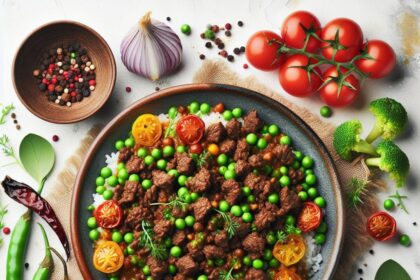
- Serve steaming hot, garnished with fresh coriander leaves and toasted almond slivers for a delightful crunch and earthy note.
Chef’s Notes
- Substitutions: For a vegetarian version, replace lamb with chickpeas and eggplant, simmering until tender.
- Make Ahead: This dish deepens in flavor after a day, making it ideal for preparing in advance.
- Tip: Toast whole cumin seeds before grinding for a more intense, nutty aroma.
- Storage: Refrigerate leftovers in an airtight container for up to 3 days or freeze for longer preservation.
Serving Suggestions
Pair this aromatic Moroccan stew with fluffy couscous or crusty bread to soak up the luscious sauce. For a vibrant presentation, add a dollop of cooling Greek yogurt and a sprinkle of chopped fresh mint. Accompany with a side of roasted root vegetables seasoned with a pinch of turmeric for a cohesive, colorful plate.

| Nutrient | Per Serving |
|---|---|
| Calories | 410 kcal |
| Protein | 32g |
| Carbohydrates | 12g |
| Fat | 24g |
The Bold Flavors of Moroccan Cumin Exploring Traditional Dishes and Health Benefits
The nutty, peppery essence of Moroccan cumin is indispensable in creating the distinctive warmth of classic dishes like kefta or zaalouk. Beyond flavor, cumin is revered for promoting digestion, reducing inflammation, and strengthening the immune system. Its versatility allows it to seamlessly infuse meats, legumes, and vegetables, enriching textures and brightening the palate.
Turmeric in Moroccan Cuisine: A Guide to Its Golden Color and Medicinal Powers
Turmeric lends its signature golden hue and earthy, slightly bitter undertones to Moroccan kitchens. Traditionally celebrated for its anti-inflammatory and antioxidant properties, turmeric is often paired with cumin and ginger to create a harmonious balance of color and wellness. From vibrant rice dishes to fragrant stews, turmeric’s presence is both an aesthetic and healthful cornerstone.
Mastering Moroccan Flavors Practical Tips for Incorporating These Spices into Your Cooking
- Always add ground spices towards the beginning of cooking to allow their flavors to bloom and mingle.
- Pair these spices with acidic ingredients like tomatoes or lemon to elevate brightness and complexity.
- Experiment with freshly ground spices for the most vivid and fresh flavor impact.
- Combine with slow-cooked dishes; the prolonged cooking melds spices into a rich tapestry of taste.
For related Moroccan cooking inspiration, explore our Moroccan Tagine Recipes collection. Learn more about the health benefits and spice science from this authoritative NCBI research.
Q&A
Q&A: Spices of Morocco – Ginger, Cumin & Turmeric Unveiled
Q1: What makes Moroccan spices like ginger, cumin, and turmeric so special?
A1: Moroccan spices are the essence of a rich heritage, blending sun-baked earth with centuries-old trade routes. Ginger, cumin, and turmeric form a triumvirate that awakens the senses-each bringing a unique flavor, aroma, and health boost. Together, they tell a story of exotic landscapes and vibrant markets, where every pinch is a journey.
Q2: How is ginger used in Moroccan cuisine?
A2: Moroccan ginger is warm and subtly sweet, often grated into tagines and marinades to add a zesty sparkle. It’s not just about heat; ginger’s fragrance balances the robust flavors of meat and vegetables, while its digestive properties make it a kitchen hero for festive feasts.
Q3: Why is cumin considered the heart of Moroccan spice blends?
A3: Cumin is the earthy spotlight in Morocco’s spice symphony. Its smoky, nutty flavor anchors the famous ras el hanout blend and key dishes like harira soup. Cumin’s magic lies in its ability to deepen flavors without overpowering, creating warmth that invites conversation and connection at the table.
Q4: What role does turmeric play beyond its vibrant color?
A4: Turmeric is Morocco’s golden secret. Beyond painting food with its sunny hue, it offers anti-inflammatory and antioxidant benefits revered in traditional medicine. In dishes, turmeric adds a subtle bitterness and complexity, harmonizing beautifully with ginger and cumin for a balanced taste experience.
Q5: Can these spices be used together, and how do they complement each other?
A5: Absolutely! Ginger, cumin, and turmeric together are a sensory celebration-a trio that dances on the palate. Ginger’s brightness, cumin’s earthiness, and turmeric’s warmth create deep, layered flavors. Used in tandem, they elevate everything from hearty stews to delicate couscous, embodying the soul of Moroccan cooking.
Q6: How should one store these spices to preserve their essence?
A6: To keep the magic alive, store ginger (dried or powdered), cumin, and turmeric in airtight containers, away from light and heat. Moroccan spice markets often sell them fresh and fragrant-so capturing that freshness at home means honoring their vibrant origins with careful storage.
Q7: Are there any unique Moroccan dishes that showcase these spices?
A7: Certainly! Dishes like chicken tagine with preserved lemons, lamb couscous, and the nutritious harira soup showcase these spices beautifully. Each dish weaves ginger’s warmth, cumin’s depth, and turmeric’s golden glow into a tapestry of flavor that’s both comforting and exotic.
Q8: What cultural significance do these spices hold in Morocco?
A8: In Morocco, spices are more than ingredients-they’re symbols of hospitality and celebration. Ginger, cumin, and turmeric often mark special occasions and rituals, passed down through generations. Their presence speaks of Morocco’s vibrant history, blending Arab, Berber, and Mediterranean influences into a flavorful legacy.
Future Outlook
As the warm hues of ginger, cumin, and turmeric weave through the rich tapestry of Moroccan cuisine, they tell stories far beyond their vibrant flavors. These spices are more than just ingredients; they are the fragrant heartbeats of a culture steeped in history, tradition, and passion. By unveiling their secrets, we glimpse the essence of Morocco itself-a land where every dish is a journey, every aroma a connection to the past, and every spice a key to awakening the senses. So next time you savor a Moroccan meal, remember that you’re not just tasting food-you’re savoring centuries of heritage, skillfully grounded in the humble power of ginger, cumin, and turmeric.