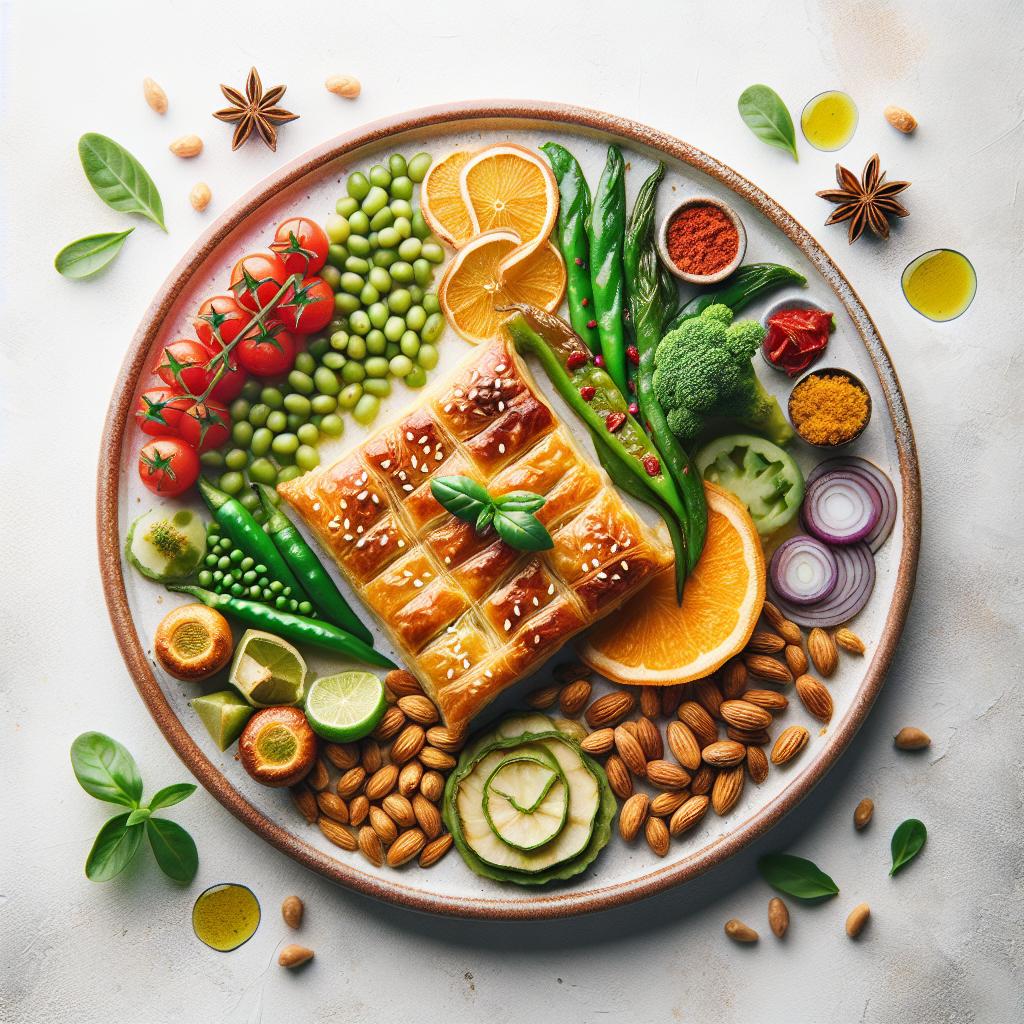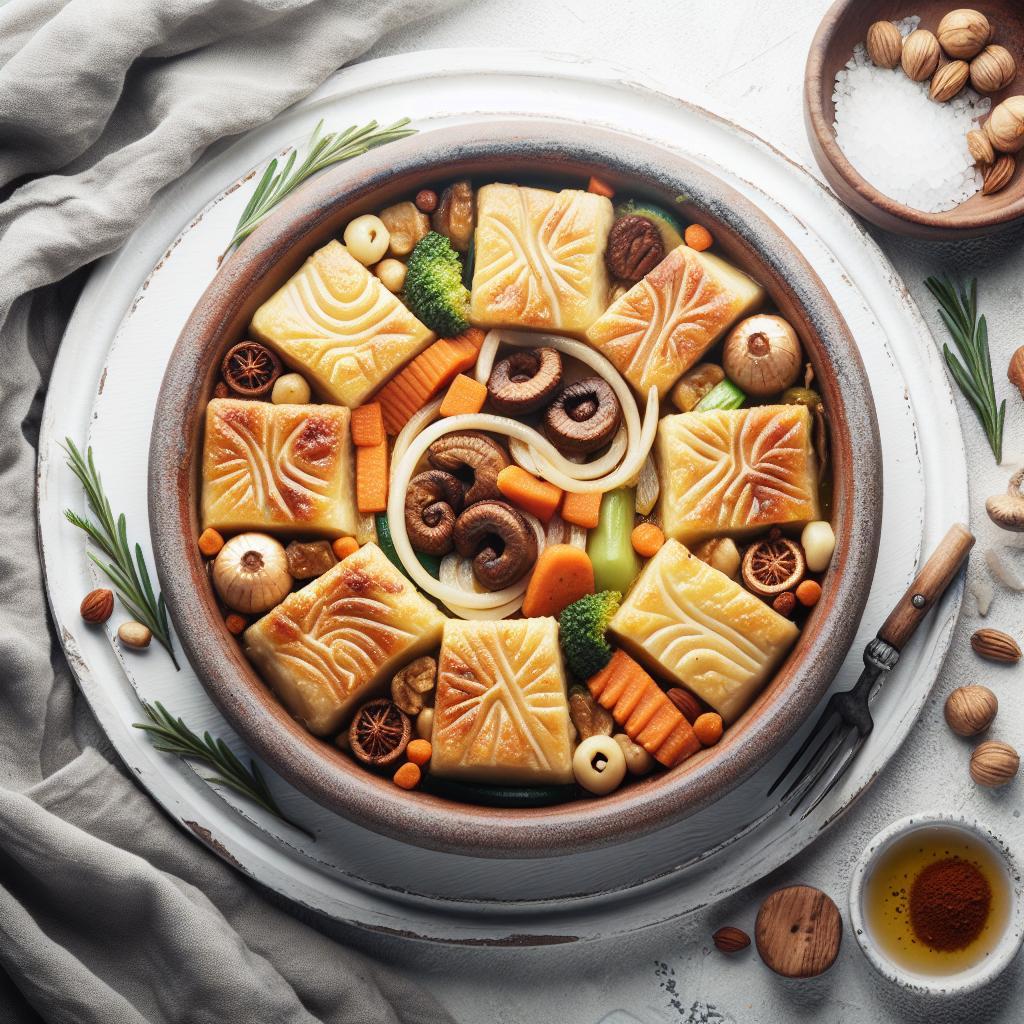

Hidden within the vibrant tapestry of Moroccan cuisine lies a dish that masterfully balances the dance of savory and sweet-Bastilla. This culinary gem, often described as a sensory adventure, marries flaky, golden pastry with fragrant layers of spiced meat, nuts, and delicate hints of cinnamon and sugar. More than just a meal, Bastilla is a celebration of Morocco’s rich history and cultural fusion, telling a story with every bite. Join us as we unveil the secrets behind this enchanting delicacy, exploring its origins, ingredients, and the artful techniques that transform simple components into a masterpiece of flavor and tradition.
Bastilla Unveiled: A Savory & Sweet Moroccan Culinary Gem is a truly captivating dish that weaves together centuries of rich Moroccan heritage with a remarkable balance of unexpected flavors. This iconic pie combines delicate, flaky layers of warqa dough enveloping a fragrant filling of spiced poultry, almonds, and a subtle dusting of powdered sugar and cinnamon-melding savory and sweet in harmonious contrast. My first encounter with bastilla was in a vibrant Marrakech riad, where each bite told stories of tradition and celebration, inspiring me to perfect this Moroccan treasure in my own kitchen.
Prep and Cook Time
- Preparation: 45 minutes
- Cooking: 1 hour 15 minutes
- Total Time: 2 hours
Yield
- Serves 6 to 8 people
Difficulty Level
- Advanced – Ideal for cooks ready to explore complex layering and multiple steps
Ingredients
- 1 whole chicken* (about 3 lbs), skin removed and cut into pieces
- 2 cups warqa dough (or substitute with phyllo sheets, thawed and under 1 mm thick)
- 1 large onion, finely chopped
- 1 cup blanched almonds, toasted and coarsely chopped
- 4 large eggs
- 1/2 cup fresh parsley, finely chopped
- 1 teaspoon ground cinnamon
- 1 teaspoon ground ginger
- 1/2 teaspoon saffron threads, soaked in 2 tbsp warm water
- 1 teaspoon ground black pepper
- 1 tablespoon powdered sugar for garnish
- 1/4 cup extra virgin olive oil
- 2 tablespoons butter, melted
- Salt, to taste
- Vegetable oil for frying almonds
Instructions
- Cook the chicken: In a large pot, combine the chicken pieces, chopped onion, soaked saffron, cinnamon, ginger, black pepper, and salt with enough water to cover the chicken. Simmer gently for 45 minutes until tender. Remove chicken, reserving the broth, and let cool. Shred the chicken into fine pieces, discarding bones.
- Prepare the sauce and eggs: In a bowl, whisk eggs. In a pan, bring 2 cups of the reserved chicken broth to a simmer. Slowly pour the hot broth into the eggs while whisking continuously to temper, then return the mixture to the pan. Cook over low heat, stirring continuously, until thick like a custard. Set aside.
- Sauté the shredded chicken: Heat olive oil in a skillet and cook the shredded chicken with chopped parsley, salt, and pepper until lightly browned and aromatic, about 8 minutes. Mix in the thickened egg custard and remove from heat.
- Toast and fry almonds: In a small pan, heat vegetable oil and fry the almonds until golden and crisp. Drain on paper towels, then toss with powdered sugar and a pinch of cinnamon.
- Layer the bastilla: Preheat oven to 375°F (190°C). Butter a round baking dish (9-10 inches). Carefully layer the warqa sheets, brushing each sheet generously with melted butter. Place enough layers to cover the base and sides with an overhang.
- Fill and fold: Spoon in half the chicken filling, then sprinkle half the sugared almonds. Top with remaining chicken mixture, then a final layer of sugared almonds. Fold over the overhanging dough to seal the filling, then cover with 3 more buttered warqa sheets, tucking edges neatly underneath.
- Bake: Brush the top with melted butter and bake for 35-40 minutes, until the pastry is golden, flaky, and crisp.
- Garnish and serve: Dust the cooled bastilla with powdered sugar and cinnamon. Slice carefully to reveal beautiful layers, and serve warm.
Chef’s Notes & Tips for Success
- Warqa dough: Authentic warqa is delicate and thin; if impossible to find, phyllo dough is a practical substitute, but use more layers to mimic the texture.
- Make-ahead: The shredded chicken filling can be prepared a day in advance, allowing flavors to deepen, and the bastilla can be assembled just before baking.
- Variations: Traditional bastilla often features pigeon, but chicken, seafood, or even vegetarian mushrooms make excellent fillings.
- Balancing sweetness: The sugary almond layer is crucial; do not skip as it offers the distinctive Moroccan contrast of savory and sweet that defines bastilla.
- Keep the dough moist: Cover dough layers with a lightly damp cloth while assembling to prevent drying and cracking.
Serving Suggestions
Present bastilla on a large platter with delicate sprigs of fresh mint and a few lemon wedges to squeeze over the warm slices. Pair it with a bright, refreshing mint tea or a chilled glass of dry Moroccan white wine. For a festive touch, scatter edible rose petals or sprinkle toasted sesame seeds on top. Bastilla is ideal as a centerpiece for celebrations or an elegant dinner, inviting your guests to savor every delicious layer.
| Nutrient | Per Serving (1 slice) |
|---|---|
| Calories | 420 kcal |
| Protein | 28 g |
| Carbohydrates | 25 g |
| Fat | 24 g |
For a deeper dive into Moroccan culinary traditions, explore our related article on Moroccan Spices: The Heart of Flavor. To enrich your understanding of bastilla’s historical roots, visit Britannica’s comprehensive entry on Bastilla.

Q&A
Q&A: Bastilla Unveiled – A Savory & Sweet Moroccan Culinary Gem
Q1: What is Bastilla, and why is it considered a Moroccan culinary treasure?
A1: Bastilla, also spelled pastilla or b’stilla, is a mesmerizing Moroccan pie that masterfully blends savory and sweet flavors. Traditionally made with layers of thin, crispy pastry filled with tender spiced meat-often pigeon or chicken-combined with almonds and a dusting of cinnamon and powdered sugar, it’s a dish that reflects Morocco’s rich history and the intricate fusion of its diverse cultural influences.
Q2: How does Bastilla balance sweet and savory flavors so harmoniously?
A2: The magic of Bastilla lies in its duality. The savory filling, rich with aromatic spices like ginger, saffron, and cinnamon, is cooked slowly to develop deep layers of flavor. This is artfully contrasted by the subtle sweetness from toasted almonds, sugar, and a final sprinkle of cinnamon on top. The contrast plays a delicious symphony on the palate-savory meets sweet in perfect harmony.
Q3: What kind of meat is traditionally used in Bastilla? Can it be adapted?
A3: Historically, pigeon was the meat of choice, revered for its delicate texture and flavor. Today, chicken is more commonly used, making the dish more accessible. Lamb can also be a delightful alternative. For those preferring a vegetarian twist, mushrooms and nuts offer a wonderful substitute while preserving the dish’s layered complexity.
Q4: What is the significance of the pastry in Bastilla?
A4: The pastry, usually warqa or filo, is vital-it encases the filling in a crisp, golden shell. Its light flakiness contrasts beautifully with the moist, spiced filling. Preparing the pastry layers with butter and careful folding is an artisanal skill, making Bastilla a feast both for the eyes and the palate.
Q5: When is Bastilla typically served, and why is it special?
A5: Bastilla is often reserved for special occasions and celebrations in Morocco, such as weddings, Ramadan feasts, or family gatherings. It symbolizes hospitality and abundance, showcasing the cook’s artistry and generosity. Sharing Bastilla is sharing a piece of Moroccan heritage and warmth.
Q6: How can one enjoy Bastilla outside Morocco?
A6: Bastilla’s tantalizing essence can cross borders through cooking at home or seeking it out in Moroccan restaurants. While the preparation may seem intricate, numerous recipes demystify the process, inviting adventurous food lovers to experience this savory-sweet masterpiece firsthand. Pair it with mint tea for a truly immersive Moroccan culinary adventure.
Q7: What does Bastilla reveal about Moroccan cuisine as a whole?
A7: Bastilla embodies Moroccan cuisine’s signature trait: brilliant layering of flavors and textures, and a celebration of cultural fusion-from Arab to Berber to Andalusian influences. It highlights Morocco’s love for aromatic spices, delicate techniques, and communal sharing, making it more than just food but a storytelling vessel of tradition and creativity.
The Way Forward
As the layers of bastilla unfold, revealing its intricate dance of savory spices and sweet whispers of cinnamon and sugar, we come to appreciate more than just a dish-we uncover a narrative woven through Moroccan history and culture. Bastilla is not merely a culinary gem; it is a testament to the artistry of blending contrasting flavors into harmonious delight. Whether you’re a seasoned gastronome or a curious traveler, embracing bastilla invites you to taste the heart of Morocco in every flaky, fragrant bite. So, next time you seek a journey for your palate, let bastilla be your guide-where tradition meets innovation, and every morsel tells a story waiting to be savored.