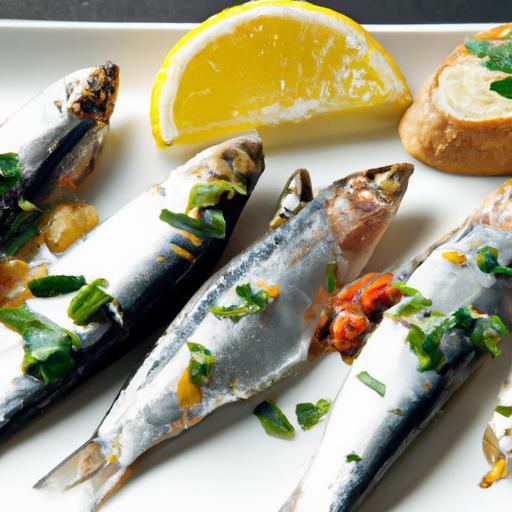

In the vibrant tapestry of Spanish cuisine, few ingredients spark as much passionate debate as the humble sardine. Enter the world of “boquerones” and “anchoas”-two names that, while linked by their common fishy heritage, unveil distinct stories, flavors, and traditions. Are these simply different spins on the same seafood favorite, or do they represent a deeper culinary divide? Journey with us as we unravel Spain’s sardine secrets, diving beneath the briny surface to explore the subtle nuances that make boquerones and anchoas beloved staples in tapas bars and dinner tables across the country. Prepare to savor the tale behind the taste and discover what truly sets these two sardine stars apart.
Boquerones vs Anchoas: Crafting Perfection in Spain’s Sardine Delights
Boquerones vs Anchoas: Unraveling Spain’s Sardine Secrets invites you to experience two iconic Andalusian treasures that capture the Mediterranean’s soul. These seemingly similar sardine preparations carry unique origins and flavors that have enchanted generations. From the crisp, fresh tang of marinated boquerones to the deep, salty intensity of cured anchoas, mastering their preparation offers an exquisite gateway to Spanish culinary artistry.
Prep and Cook Time
- Preparation: 30 minutes (plus marinating)
- Marinating Time (Boquerones): 12 hours to overnight
- Cook Time (Anchoas – Curing): 4-6 weeks (traditional curing)
Yield
- About 20 servings of boquerones or 15 servings of anchoas (depending on portion sizes)
Difficulty Level
- Boquerones: Medium – Requires patience with marination
- Anchoas: Advanced – Demands curing skills, ideal for enthusiasts
Ingredients
- 1 lb fresh white anchovies or boquerones (cleaned and deboned)
- 1 cup white wine vinegar (for boquerones)
- 1 cup cold water
- 3 cloves of garlic, thinly sliced
- 1/4 cup extra-virgin olive oil (preferably Spanish Arbequina)
- 1 tsp sea salt
- Fresh flat-leaf parsley for garnish
- For anchoas curing:
- 1 kg fine sea salt
- Extra virgin olive oil (for preserving)
Instructions
- Clean and Prepare Fish: Carefully remove heads, entrails, and bones from anchovies or boquerones. Rinse gently under cold water.
- Marinate Boquerones: Submerge the cleaned fillets in a mix of white wine vinegar and cold water for 4-6 hours until they turn opaque and firm.
- Drain and Season: Remove fish from marinade, pat dry, then layer in a glass container. Sprinkle sea salt between layers, cover with sliced garlic, and drizzle with olive oil.
- Refrigerate: Let marinate for at least 12 hours, preferably overnight, allowing flavors to meld beautifully.
- For Anchoas Curing: Layer fresh anchovies in a large wooden or ceramic container with generous amounts of sea salt. Press firmly and store in a cool, dark place for 4-6 weeks.
- Finish Anchoas: After curing, rinse salt off, fillet, and pack tightly in olive oil jars to preserve deep umami flavor and silky texture.
- Serve: Present boquerones chilled with a drizzle of olive oil and fresh parsley. For anchoas, slice thinly over toasted bread or include in sophisticated tapas.
Tips for Success
- Freshness is Key: Use the freshest anchovies you can find; freshness is paramount for boquerones’ delicate flavor.
- Marinate Longer for Better Texture: Don’t rush the vinegar soak; it “cooks” the fish gently and enhances flavor complexity.
- Salt Curing Patience: Curing anchoas demands time but yields an unmatched culinary experience-avoid shortcuts.
- Olive Oil Quality: Choose a fruity, mild Spanish olive oil to complement rather than overpower the sardines.
- Make Ahead: Boquerones can be made 2 days in advance and kept refrigerated tightly covered.
Serving Suggestions
Boquerones are best enjoyed as a refreshing appetizer: plate them on crisp ceramic dishes, swirl extra virgin olive oil over the top, and add bright green sprigs of parsley. Complement with crusty rustic bread and a squeeze of lemon to awaken the palate. Anchoas, the luxurious cousin, pair exquisitely on toasted baguettes brushed with garlic, or diced into salads and savory tortillas.
For a wine match, opt for a chilled Albariño or a dry Manzanilla sherry – their acidity and mineral notes beautifully balance the sardines’ nuanced profiles. Consider serving with Spanish white wine Albariño for a truly authentic experience.
| Nutrient | Boquerones (per 100g) | Anchoas (per 100g) |
|---|---|---|
| Calories | 130 kcal | 210 kcal |
| Protein | 18g | 29g |
| Carbohydrates | 0g | 0g |
| Fat | 6g | 12g |

Explore more Spanish culinary secrets in our Spanish Tapas Guide and elevate your kitchen game by unlocking vibrant flavors with every dish.
Q&A
Q&A: Boquerones vs Anchoas – Unraveling Spain’s Sardine Secrets
Q1: What exactly are Boquerones and Anchoas? Are they the same?
A1: While both Boquerones and Anchoas come from small fish in the anchovy family, they are not quite the same. Boquerones are fresh anchovies marinated in vinegar, giving them a bright, tangy flavor and a soft, white appearance. Anchoas, on the other hand, are anchovies that have been salt-cured and aged until deep brown and intensely savory. Think of Boquerones as the lively, zesty cousin, while Anchoas are the rich, umami-packed elder.
Q2: How does the preparation process differentiate Boquerones from Anchoas?
A2: The magic lies in the marinade and curing. Boquerones start as fresh anchovies, filleted and soaked in vinegar or lemon juice, then lightly salted and drizzled with olive oil and garlic. This quick marination preserves a fresh and delicate profile. Anchoas undergo a long salt-curing process that can last months, extracting moisture and concentrating flavors into a salty, deep brown paste-like fillet beloved by chefs.
Q3: Do Boquerones and Anchoas taste very different?
A3: Absolutely. Boquerones offer a fresh, bright, and slightly acidic bite, almost like the ocean’s own ceviche. Anchoas provide a powerful burst of saltiness and umami that can transform simple dishes into flavor-packed masterpieces. One is like a sunny afternoon stroll by the coast; the other is a bold, mysterious night full of treasures.
Q4: Which one is better for cooking or eating on their own?
A4: Both have their culinary zones of genius. Boquerones shine as tapas – served chilled on crusty bread with olive oil and parsley, or added to salads to impart a delicate tang. Anchoas are the secret weapon in sauces, dressings, and pizzas, lending depth and complexity with just a small dab. Their intensity means you use Anchoas sparingly, while Boquerones can be enjoyed more generously.
Q5: Where in Spain can you savor the best Boquerones and Anchoas?
A5: For fresh Boquerones, the Mediterranean coasts – think Catalonia and Andalusia – are prime spots where fishing traditions keep the marinated anchovy alive and fresh. When it comes to Anchoas, the Cantabrian coast reigns supreme. Towns like Santoña are legendary for their artisanal salted anchovies, creating a luxury product that is prized across Spain and beyond.
Q6: Can you substitute Boquerones for Anchoas or vice versa in recipes?
A6: Substitution is tricky. Using Boquerones instead of Anchoas might leave a dish lacking that umami punch and saltiness. Swapping Anchoas for Boquerones could overwhelm a dish with salt or overshadow fresh ingredients. It’s like trading fresh herbs for dried spices-both valuable but serving very different purposes. Knowing when and why to use each unlocks the true spirit of Spanish sardine cuisine.
Q7: What cultural significance do Boquerones and Anchoas hold in Spain?
A7: These tiny fish carry big cultural weight. Boquerones speak to Spain’s love for vibrant, simple, fresh flavors-part of daily life and festive tapas bars alike. Anchoas symbolize artisanal craftsmanship and centuries-old curing traditions, celebrated in festivals and cherished as gourmet treasures. Both unite Spaniards around the communal joy of sharing bold, briny bites with friends.
Q8: Any tips for trying Boquerones and Anchoas as a first-timer?
A8: Approach Boquerones with an open palate – their vinegary freshness may surprise you but quickly wins hearts. Pair them with crusty bread, a drizzle of good olive oil, and maybe a chilled glass of Albariño wine. For Anchoas, start small: a sliver melt on warm bread or stirred into tomato salads to see how their depth blossoms. And remember, both are best enjoyed slowly, savoring Spain’s oceanic secrets in each bite.
Key Takeaways
As we close the chapter on Spain’s sardine saga, it’s clear that boquerones and anchoas are more than mere tapas toppings-they are edible stories of tradition, culture, and craftsmanship. Whether you savor the tangy, fresh bite of boquerones marinated in vinegar or the deep, salty richness of anchoas cured in brine and oil, you’re tasting the soul of the Mediterranean on a plate. So next time you find yourself at a Spanish bar or perusing a seafood counter, let your palate be your guide and embrace the delicious duality of these sardine secrets. After all, in the world of Spanish flavors, sometimes it’s the smallest fish that make the biggest splash.