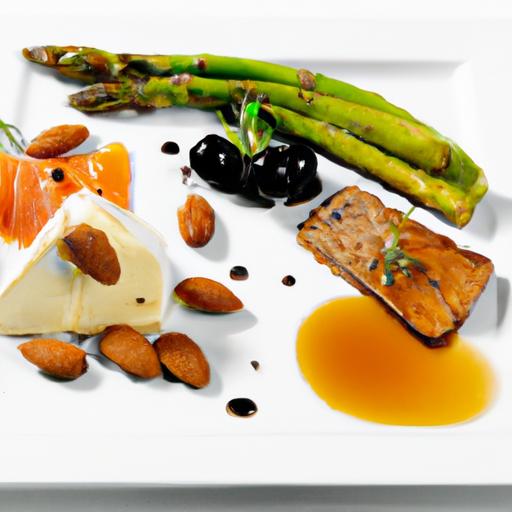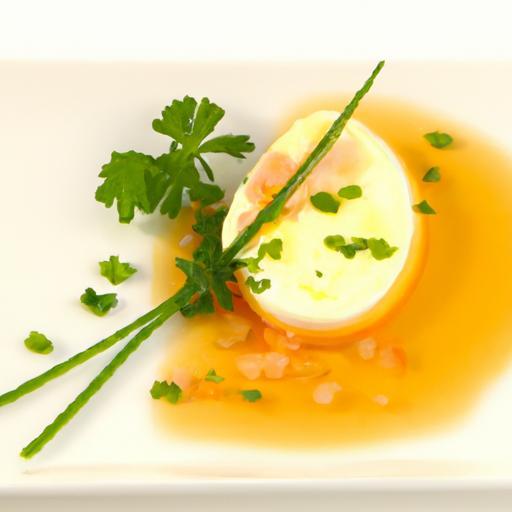

In the world of French cuisine, where every bite tells a story and every ingredient sings with purpose, two pantry classics stand locked in a flavorful duel: butter and olive oil. These culinary titans each boast a rich history and a distinct character, shaping dishes with their unique textures, aromas, and tastes. From the flaky croissants of Paris to the vibrant ratatouille of Provence, the choice between butter and olive oil is more than a preference-it’s a defining moment that whispers secrets of region, tradition, and technique. Join us as we unravel the delicious rivalry and discover how this timeless clash continues to inspire and elevate French cooking.
Butter vs Olive Oil: Unveiling French Cooking’s Flavor Duel introduces you to the subtle nuances that make French cuisine so irresistibly refined. Understanding the origins and aromas shaping French culinary traditions will awaken your palate to how deeply butter and olive oil have influenced the region’s dishes, from rustic Provencal stews to decadent Parisian pastries.
Prep and Cook Time
- Preparation: 15 minutes
- Cooking: 30 minutes
- Total time: 45 minutes
Yield
Serves 4 generous portions
Difficulty Level
Medium – perfect for home cooks eager to deepen their mastery of French fats
Ingredients
- 3 tbsp unsalted French butter (preferably cultured for depth)
- 3 tbsp extra virgin olive oil (from Provence for authenticity)
- 1 medium yellow onion, finely diced
- 2 cloves garlic, minced
- 1 lb fresh green beans, trimmed
- 1 tsp fresh thyme leaves
- Sea salt and freshly ground black pepper, to taste
- 1 tbsp freshly squeezed lemon juice
Instructions
- Heat the butter and olive oil together in a large sauté pan over medium heat. This balanced blend creates a golden canvas for flavor without burning-the butter lends silkiness, while the olive oil raises the smoke point.
- Add the diced onion and sauté gently until translucent and slightly caramelized, about 7 minutes. This slow cooking unlocks the onion’s natural sweetness, layered between the butter’s creaminess and olive oil’s herbaceous warmth.
- Stir in the minced garlic and cook for 1 minute, just until fragrant, taking care not to burn it.
- Toss in the green beans and thyme, stirring to coat in the buttery-olive oil mixture. Sauté until tender-crisp, approximately 8-10 minutes, retaining some snap and vibrant color.
- Season with salt, pepper, and finish with a splash of lemon juice. The acidity cuts through the richness, balancing the flavors beautifully.
- Remove from heat and transfer immediately to a warmed serving dish for maximum aroma.
Chef’s Notes
- Butter vs Olive Oil Blend: Combining them harnesses the best of both worlds-emulsifying richness and fragrant fruitiness-ideal for elevating simple vegetables.
- Substitution Tips: For dairy-free, use a high-quality olive oil exclusively, adding a pinch of smoked paprika or a dash of vegan butter alternative for complexity.
- Make-Ahead: Vegetables can be sautéed ahead and gently reheated in the same butter-oil mixture to revive the aromas without drying.
- Trick: Avoid overheating butter alone; its milk solids burn quickly. By mixing with olive oil, you attain a safer and tastier cooking temperature.
Serving Suggestions
This vegetal medley shines as a side alongside roasted chicken or seared fish. Garnish with fresh thyme sprigs or a light sprinkle of toasted almonds for crunch and contrast. A crisp baguette alongside completes the meal-perfect for mopping up the buttery-olive oil glaze.

| Nutrient | Per Serving |
|---|---|
| Calories | 180 kcal |
| Protein | 3 g |
| Carbohydrates | 8 g |
| Fat | 16 g |
Discover how mastering the use of butter and olive oil unlocks timeless French cooking secrets. For more on classic French cooking techniques, check our article on Classic French Sauces, or explore authoritative insights on the nutritional benefits of olive oil at Olive Oil Source.
Q&A
Q&A: Butter vs Olive Oil – Unveiling French Cooking’s Flavor Duel
Q1: Why is butter often considered the quintessential fat of French cuisine?
A1: Butter is the golden heart of French cooking, cherished for its rich, creamy texture and slightly sweet, nutty flavor. It lends sauces, pastries, and sautés a luxurious depth that’s hard to replicate. French butter, often with higher fat content and cultured varieties, provides that signature melt-in-the-mouth sensation that elevates dishes to artistry.
Q2: How does olive oil fit into the French culinary landscape?
A2: While olive oil might be the crown jewel of Mediterranean kitchens, it also claims a proud place in French fare, especially in southern regions like Provence. Olive oil brings fruity, grassy notes and a peppery finish, perfectly complementing fresh herbs, vegetables, and simply grilled delicacies. It’s prized not only for flavor but also for its heart-healthy qualities.
Q3: When should a French cook choose butter over olive oil?
A3: Butter shines brightest in dishes demanding creaminess and that tender, flaky texture-think flaky croissants, velvety sauces like béarnaise, and delicate pan sauces. It’s also ideal for cooking at moderate temperatures where its flavor can unfold gently without burning.
Q4: Conversely, when is olive oil the star player?
A4: Olive oil takes the spotlight in preparations needing a robust, fruity thrust-drizzling over a fresh ratatouille, dressing a salade niçoise, or roasting vegetables to achieve caramelized edges and a lingering aromatic finish. It’s perfect for medium-heat cooking and raw applications alike, adding brightness without overpowering.
Q5: Can butter and olive oil be used together in French cooking?
A5: Absolutely! Many French chefs blend butter and olive oil to marry butter’s richness with olive oil’s high smoke point and fruity complexity. This harmony prevents burning during sautéing while enriching the flavor profile, proving once again that in French cuisine, balance and nuance reign supreme.
Q6: Does the choice between butter and olive oil significantly affect nutrition?
A6: Yes. Butter contains saturated fats, which should be consumed in moderation, while olive oil, particularly extra virgin, is rich in monounsaturated fats and antioxidants, supporting heart health. However, both can be part of a balanced diet when used mindfully.
Q7: What’s the best way to experiment with these fats at home?
A7: Start by selecting a classic French recipe and try making it twice-once with butter, once with olive oil. Notice how the flavors, textures, and aromas shift. Whether it’s a humble omelette, a golden sautéed chicken, or a luscious sauce, this delightful duel will deepen your appreciation for French culinary artistry. Bon appétit!
To Conclude
In the grand theater of French cuisine, butter and olive oil each play leading roles-one rich and velvety, the other vibrant and fragrant. Their unique flavors and textures don’t just enhance dishes; they tell stories of tradition, terroir, and taste. Whether you choose the creamy indulgence of butter or the bright, peppery punch of olive oil, understanding their distinct qualities can elevate your cooking from ordinary to extraordinary. So next time you stand at the stove, consider this flavorful duel-not as a battle to win, but as a delicious invitation to explore the heart and soul of French gastronomy. Bon appétit!