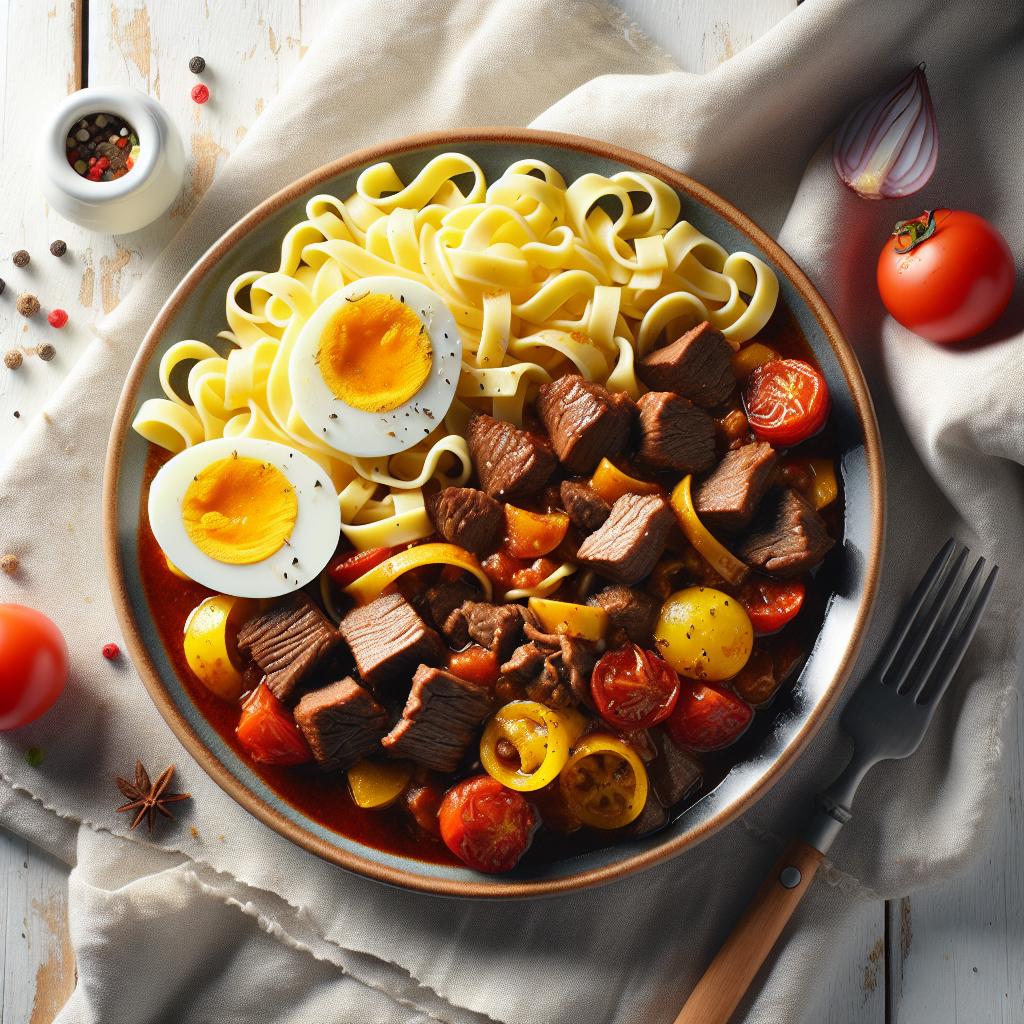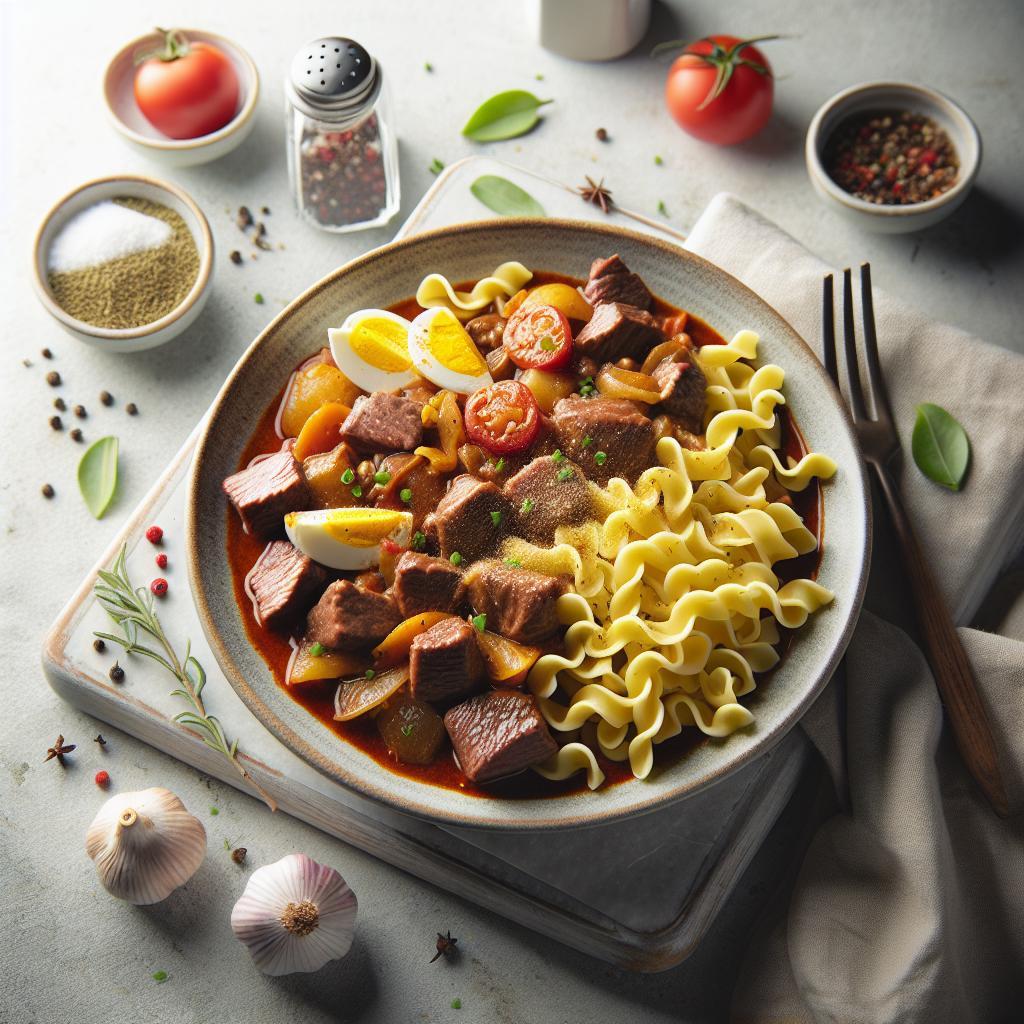

There’s something undeniably soothing about a steaming bowl of hearty beef goulash swirling with tender egg noodles-a dish that wraps you in warmth like a well-worn blanket on a crisp autumn evening. Rooted in Central European tradition, this classic comfort food marries the rich, slow-simmered flavors of succulent beef, smoky paprika, and savory vegetables with the soft, buttery embrace of egg noodles. Whether family gatherings or quiet solo dinners, hearty beef goulash with egg noodles has long held a place at the heart of kitchens seeking nourishment, satisfaction, and a taste of home. Join us as we explore the origins, ingredients, and simple joys of preparing this timeless dish that continues to comfort and delight across generations.
Hearty Beef Cuts and Spices That Elevate Traditional Goulash
Hearty Beef Goulash with Egg Noodles is a beloved dish that brings together rustic Hungarian heritage and comforting kitchen mastery. The foundation of this classic starts with selecting the right beef cuts. Opting for chuck roast or brisket ensures a rich, melt-in-your-mouth texture after slow cooking. Both contain the marbling and connective tissue needed to absorb the robust spices and transform into tender, juicy morsels.
Speaking of spices, authentic paprika is non-negotiable-choose Hungarian sweet or smoked paprika to impart vibrant color and deep earthy warmth. Complement it with caraway seeds, crushed garlic, and a touch of sweet bell peppers for layers of flavor that elevate the dish beyond ordinary stews.
Mastering the Slow Simmer Technique for Rich, Tender Flavors
The true magic of Hearty Beef Goulash with Egg Noodles unfolds during the slow simmer. Patience results in perfectly tender beef that easily falls apart. Begin by browning the beef in batches to develop a deep crust-this step is essential for that rich umami foundation. Then, gently deglaze the pan with beef stock or a splash of water to catch those caramelized bits.
Transfer everything to a wide heavy-bottomed pot or slow cooker. Use low heat and allow the goulash to simmer uncovered for 2 to 3 hours, stirring occasionally. This slow process melds the spices and beef juices into a luxuriously thick sauce. Avoid rushing by upping the heat, as it may toughen the meat or cause the sauce to separate.
Choosing the Perfect Egg Noodles to Complement Your Goulash
Nothing completes a hearty beef goulash like tender, ribboned egg noodles. Choose fresh or dried wide egg noodles with a slightly chewy texture that holds up to the rich sauce without becoming mushy. Wide noodles capture and carry the goulash’s velvety sauce beautifully with every bite.
Cooking the noodles just until al dente keeps their bite intact, perfect for mixing with goulash or serving as a bed beneath it. For extra flair, toss the cooked noodles with a little butter and chopped fresh parsley before plating-they add gleaming shine and a pop of herbaceous freshness.
Serving Suggestions and Pairings for a Complete Comfort Meal
When plating, ladle generous spoonfuls of the vibrant beef goulash over egg noodles and garnish with a dollop of plain Greek yogurt or sour cream-this adds creaminess and balances the spice. Sprinkle fresh chopped parsley or dill for color and an aromatic lift.
Pair the dish with a side of crisp cucumber salad dressed lightly in vinegar and dill, or a rustic rye bread to soak up every delicious drop. For a beverage, a robust Hungarian red wine (or a rich grape juice alternative) complements the earthy flavors beautifully without overpowering the meal.
Prep and Cook Time
- Preparation: 20 minutes
- Cooking: 3 hours
- Total: 3 hours 20 minutes
Yield
Serves 6 hearty servings
Difficulty Level
Medium: Requires some attentive simmering and layering of flavors but approachable with clear guidance.
Ingredients
- 2 ½ lbs beef chuck roast, cut into 1-inch cubes
- 2 tablespoons vegetable oil
- 2 large onions, finely chopped
- 3 cloves garlic, minced
- 3 tablespoons Hungarian sweet paprika
- 1 teaspoon caraway seeds, crushed
- 1 large red bell pepper, diced
- 4 cups beef broth or stock
- 2 tablespoons tomato paste
- Salt and freshly ground black pepper, to taste
- ½ teaspoon smoked paprika (optional for depth)
- 1 bay leaf
- 12 oz wide egg noodles
- Fresh parsley, chopped, for garnish
- Greek yogurt or sour cream, for serving
Instructions
- Heat oil in a large heavy-bottomed pot over medium-high heat. Working in batches, brown beef cubes until a golden crust forms (about 5 minutes per batch). Set aside on a plate.
- Reduce heat to medium and add onions. Sauté until translucent and slightly caramelized, about 8 minutes. Stir in garlic and cook another minute.
- Add the paprika, caraway seeds, and bell pepper. Stir to coat – this builds the flavor base.
- Return the browned beef to the pot. Stir in tomato paste and cook 2 minutes to deepen flavor.
- Pour in the beef broth and add the bay leaf, smoked paprika (if using), salt, and pepper. Bring to a simmer.
- Cover partially and reduce heat to low. Let the goulash simmer gently for a minimum of 2 hours, stirring occasionally. Add water if needed to keep sauce saucy but not soupy.
- About 20 minutes before serving, cook the egg noodles in salted water according to package instructions until al dente. Drain and toss with a small pat of butter and parsley.
- Remove bay leaf from goulash. Adjust seasoning if needed.
- Serve hot by layering noodles on plates, ladling rich beef goulash on top, and garnishing with a dollop of Greek yogurt and fresh parsley.
Chef’s Notes and Tips for Success
- Beef selection: Chuck or brisket are ideal for texture and flavor; avoid lean cuts that dry out.
- Spice balance: Use both sweet and smoked paprika for an authentic and layered palate.
- Simmer low and slow: Resist the urge to increase heat; slow cooking ensures tenderness.
- Noodle alternatives: If egg noodles are unavailable, homemade spaetzle or buttered pappardelle pasta work beautifully.
- Make-ahead: Goulash tastes even better after a day refrigerated-reheat gently on the stove adding a splash of broth.
Serving Suggestions
To complete this comforting meal, serve alongside a fresh cucumber-dill salad dressed with lemon and olive oil or a rustic, crusty rye bread perfect for sopping up every bite. For garnish, a swirl of creamy Greek yogurt or sour cream balances the smoky paprika heat gracefully.

| Nutrient | Per Serving |
|---|---|
| Calories | 520 kcal |
| Protein | 45 g |
| Carbohydrates | 32 g |
| Fat | 20 g |
For a deeper dive into traditional Eastern European dishes, explore our Traditional Hungarian Recipes collection.
Q&A
Q&A: Hearty Beef Goulash with Egg Noodles – A Classic Comfort Food
Q1: What makes beef goulash a timeless comfort food?
A: Beef goulash captures the essence of comfort with its tender, slow-cooked beef drenched in a rich blend of paprika, onions, and tomatoes. It’s a warm hug in a bowl, reminiscent of cozy family dinners where every spoonful feels like a story passed down through generations.
Q2: How does using egg noodles elevate the goulash experience?
A: Egg noodles add a silky, buttery base that soaks up the robust goulash sauce. Their delicate texture contrasts the hearty beef chunks, creating a harmonious dance of flavors and mouthfeel that makes each bite satisfying and balanced.
Q3: What are the key ingredients that define an authentic beef goulash?
A: The magic trio is paprika (smoked or sweet), onions, and beef chuck. These ingredients build the foundation, while garlic, bell peppers, caraway seeds, and a splash of beef broth deepen the flavor profile. Slow simmering transforms these humble components into a rich, aromatic stew.
Q4: Can beef goulash be made ahead and still taste just as good?
A: Absolutely! Goulash is one of those dishes that often tastes better the next day, as the flavors meld beautifully over time. Simply store it in an airtight container in the fridge, and reheat gently to preserve the sauce’s velvety texture.
Q5: What are some creative twists to try on this classic recipe?
A: For a twist, incorporate smoky bacon or a dash of hot paprika for extra heat. Swap egg noodles for spaetzle or mashed potatoes for variety. Add a dollop of sour cream or sprinkle fresh parsley just before serving to brighten the dish with a creamy or herbal note.
Q6: Why is beef goulash considered a versatile dish for different occasions?
A: Beef goulash’s rich flavors and comforting warmth suit everything from casual weeknight dinners to festive gatherings. It’s easy to scale up for a crowd and pairs well with simple sides, making it both approachable for beginners and impressive for seasoned home cooks.
Q7: How do you achieve the perfect balance between a thick sauce and tender beef?
A: The secret lies in patiently browning the beef to develop deep flavor, then simmering it slowly to break down the fibers, resulting in melt-in-your-mouth tenderness. Gradually adding broth and reducing the sauce ensures it thickens to a luscious consistency without drying out the meat.
Q8: What nutritional benefits does beef goulash offer?
A: Packed with protein, iron, and essential vitamins from both beef and vegetables, goulash fuels the body while satisfying hunger. Using natural spices and wholesome ingredients makes it a nourishing option that’s hearty without being heavy.
Whether you’re nostalgic for a taste of home or discovering it for the first time, hearty beef goulash with egg noodles remains an unbeatable classic-rich in flavor, history, and heart.
In Summary
In the world of comfort foods, few dishes hold the timeless warmth and rich, satisfying embrace of a hearty beef goulash with egg noodles. This classic recipe not only nourishes the body but also stirs the soul, blending tender, slow-cooked beef with vibrant spices and silky noodles into a harmonious symphony of flavors. Whether served on a chilly evening or passed down through generations at the family table, beef goulash remains a culinary testament to the simple joys of home-cooked meals. So next time you crave a dish that speaks of tradition and coziness, remember that this beloved goulash is more than just food-it’s an invitation to slow down, savor, and share the timeless comfort of a classic.