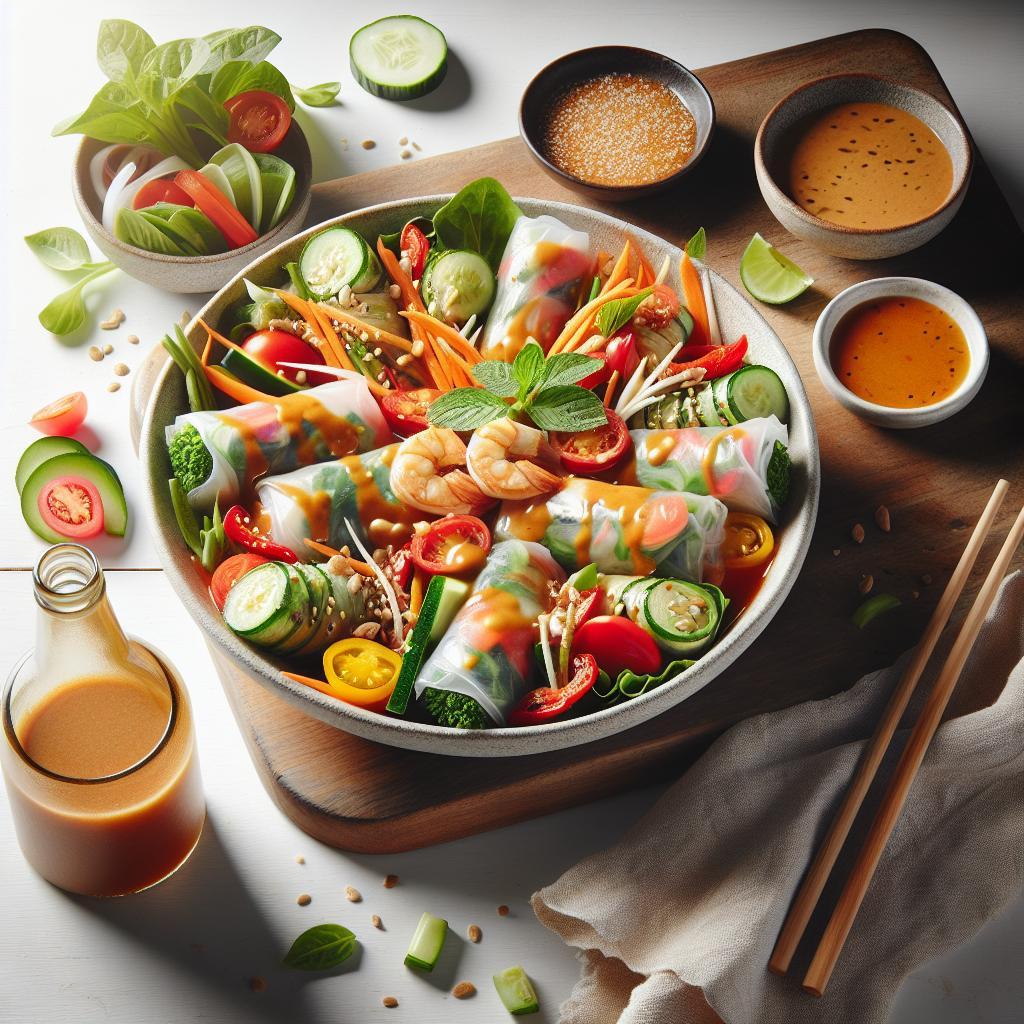

In the vibrant tapestry of Vietnamese cuisine, few elements shine as brightly as the humble spring roll sauce. More than just a dip, it is a symphony of flavors-tangy, sweet, savory, and spicy-that elevates crisp, fresh rolls into unforgettable bites. Mastering Vietnamese spring roll sauce is not merely about following a recipe; it’s an art that unlocks the soul of a culinary tradition. Whether you’re a seasoned foodie or a curious newcomer, understanding this flavorful essential will transform your dining experience, turning every spring roll into a celebration of balance, culture, and zest. Join us as we unravel the secret behind this delicious sauce and guide you to creating your perfect, tantalizing blend.
Mastering Vietnamese Spring Roll Sauce: A Flavorful Essential
Mastering Vietnamese spring roll sauce is the key to unlocking the vibrant and harmonious flavors that define this beloved dipping condiment. Originating from the lush culinary landscapes of Vietnam, this sauce blends savory, sweet, tangy, and umami notes to complement fresh spring rolls impeccably. Whether you’re a seasoned cook or new to Vietnamese cuisine, this guide will inspire you to craft an irresistibly balanced sauce that elevates every bite.
Prep and Cook Time
- Preparation Time: 10 minutes
- Cooking Time: 5 minutes
- Total Time: 15 minutes
Yield
- Servings: Approximately 4-6 servings of sauce
Difficulty Level
- Easy to Medium – Perfect for home cooks seeking authentic flavors
Ingredients
- 1/4 cup fish sauce (preferably a high-quality, light variety for balance)
- 1/4 cup warm water (to dilute and soften intensity)
- 2 tablespoons fresh lime juice (for brightness and acidity)
- 2 tablespoons palm sugar (or light brown sugar, finely grated)
- 1 garlic clove, finely minced (adds pungency and depth)
- 1 small red chili, thinly sliced (adjust according to heat preference)
- 1 tablespoon shredded carrot (optional, for texture and a touch of sweetness)
Instructions
- Combine the fish sauce and warm water in a small mixing bowl, stirring gently until mixed evenly. This dilution softens saltiness and helps the other flavors bloom.
- Add the freshly squeezed lime juice next to introduce a refreshing citrus tang that balances the salt and sweetness perfectly.
- Incorporate the palm sugar gradually, stirring consistently until it fully dissolves. This step is essential to avoid graininess and achieves a smooth sweetness that enhances without overpowering.
- Mix in the finely minced garlic and sliced red chili. The minced garlic should be fine enough to infuse without overwhelming, while the chili brings a vibrant kick-adjust the amount based on your preferred spice level.
- Stir in the shredded carrot if using, for added texture and a subtle hint of natural sweetness and color that makes your sauce visually appealing.
- Let the sauce rest for at least 10 minutes before serving to allow all the flavors to meld harmoniously-this is where the magic happens!
- Taste and adjust: if the sauce is too salty, add a bit more warm water or lime juice; if too sweet, a touch more lime juice or fish sauce can help restore balance.
Tips for Success: Customizing Your Sauce to Elevate Every Bite
- Experiment with sweeteners: Substitute palm sugar with honey or maple syrup for a different dimension of sweetness and nuance.
- Control the spice: If you prefer a milder sauce, remove seeds from the chili or use a sweet red pepper instead.
- Texture matters: Finely grate garlic rather than mince to avoid overpowering sharpness.
- Skip the water for a punch: For a more intense flavor, reduce the amount of water but be mindful not to let saltiness dominate.
- Make ahead tip: This sauce can be prepared up to 24 hours in advance and stored in the refrigerator. Bring to room temperature before serving and stir well.
- For a vegan alternative, replace fish sauce with soy sauce or mushroom-based seasoning blends while retaining lime juice and sugar to keep the balance intact.
Serving Suggestions
Serve this sauce chilled or at room temperature as the perfect dip for fresh Vietnamese spring rolls. Garnish with a few extra slices of red chili and a sprinkle of finely shredded carrot to create an inviting presentation. This sauce also pairs beautifully with grilled seafood, crispy fried foods, or as a drizzling sauce for noodle bowls, adding layers of bright, balanced flavor.

| Nutrient | Per Serving (approx.) |
|---|---|
| Calories | 45 kcal |
| Protein | 1 g |
| Carbohydrates | 8 g |
| Fat | 0 g |
For an in-depth understanding of the role fish sauce plays in Southeast Asian cuisine, visit the Serious Eats guide to fish sauce.
Q&A
Q&A: Mastering Vietnamese Spring Roll Sauce – A Flavorful Essential
Q1: What makes Vietnamese spring roll sauce so essential to the dish?
A1: Vietnamese spring roll sauce is the harmonious companion that elevates the fresh, crisp textures of the rolls. It’s the zesty, sweet, salty, and umami-packed elixir that ties all the vibrant ingredients together, turning every bite into a balanced explosion of flavor.
Q2: What are the key ingredients in a traditional Vietnamese spring roll sauce?
A2: The classic base often includes fish sauce (nước mắm), lime juice, sugar, garlic, and chili. These components combine to create a savory-sour-sweet-spicy profile that complements the delicate vegetables and protein inside the roll.
Q3: Is it possible to make the sauce vegan or vegetarian?
A3: Absolutely! You can swap fish sauce for soy sauce or a mushroom-based seasoning to maintain that rich umami taste without animal products. Adding a touch of miso or seaweed can further deepen the flavor, creating a satisfying plant-based alternative.
Q4: Any tips for balancing the sauce flavors perfectly?
A4: Think of the sauce as a miniature flavor dance-each element needs its space. Start with equal parts lime juice and fish sauce, then gradually add sugar to balance acidity and a pinch of chili for heat. Taste and adjust step-by-step until it sings on your palate.
Q5: Can the sauce be made ahead of time?
A5: Yes! Making spring roll sauce ahead allows the flavors to meld beautifully. Store it in an airtight container in the fridge for up to a week. Just give it a good stir before serving to re-awaken the vibrant zestiness.
Q6: Are there variations of the spring roll sauce across Vietnam?
A6: Indeed. Northern versions might lean lighter on sugar and chili, favoring a more subtle tartness, while southern recipes often bring a sweeter, spicier kick. Regional herbs or crushed peanuts may also be added for unique texture and depth.
Q7: How can I customize the sauce to suit my taste?
A7: Feel free to experiment! Add minced ginger for brightness, tamarind for a tangy twist, or a splash of toasted sesame oil for nuttiness. This sauce is a canvas inviting your creativity-each tweak tells a new story on your tongue.
Q8: What dishes beyond spring rolls pair well with this sauce?
A8: This vibrant sauce is a versatile gem. Drizzle it over grilled meats, use as a dip for fried tofu, or dress a simple noodle salad. Its lively balance can brighten many dishes, making it a kitchen staple beyond just the spring roll!
Mastering your Vietnamese spring roll sauce transforms a humble appetizer into a sensory journey of fresh, bold flavors. Ready to dip, drizzle, and delight? Your perfect sauce is just a squeeze of lime and splash of fish sauce away!
Key Takeaways
As you embark on your journey to master Vietnamese spring roll sauce, remember that this humble condiment is more than just a dip-it’s the vibrant heart that elevates every bite. Balancing savory, sweet, sour, and spicy notes, it encapsulates the essence of Vietnamese culinary artistry in a single bowl. With practice and a keen palate, crafting the perfect sauce becomes second nature, transforming simple spring rolls into unforgettable flavor experiences. So next time you gather your fresh greens and delicate rice paper, let your homemade sauce be the flavorful bridge that brings each ingredient harmoniously together. Mastering this sauce isn’t just about technique-it’s about unlocking the soul of Vietnam on your plate.