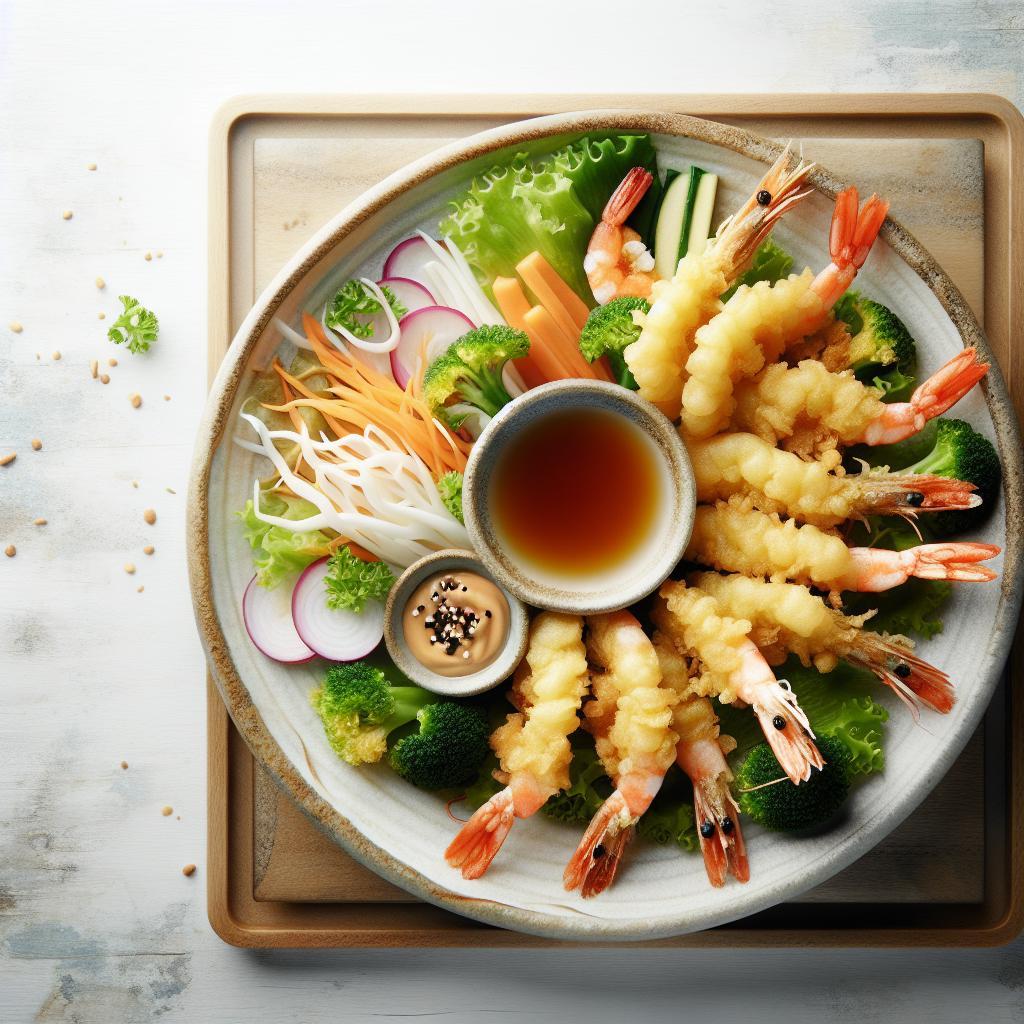

Crisp, golden, and irresistibly light-shrimp tempura is more than just a beloved dish; it’s a delicate dance of tradition and technique that has transcended centuries and cultures. From its humble beginnings in Japan to its global culinary acclaim, this artful creation captures the essence of craftsmanship through its perfectly battered, fried shrimp that shatter with every bite. In this article, we’ll delve into the fascinating history and meticulous process behind shrimp tempura, exploring how this timeless recipe continues to evolve while preserving its signature crunch and cultural soul. Journey with us as we uncover the secrets that make shrimp tempura a crispy tradition cherished through time.
Shrimp Tempura: Crafting Crispy Tradition Through Time
Shrimp tempura has long been celebrated as a hallmark of Japanese cuisine, embodying the artful balance between lightness and crispiness.
Originating in the 16th century through Portuguese influences and refined over centuries in Japan, this dish captures both cultural heritage and culinary precision. From the selection of succulent shrimp to mastering the delicate batter and frying techniques, every element contributes to an elevated sensory experience that defines shrimp tempura: crafting crispy tradition through time.
Prep and Cook Time
- Preparation: 20 minutes
- Cooking: 15 minutes
- Total Time: 35 minutes
Yield
Serves 4 (approximately 12 pieces)
Difficulty Level
Medium – Requires attention to batter consistency and frying temperature
Ingredients
- 12 large shrimp, peeled and deveined, tails intact
- 1 cup all-purpose flour, sifted
- 1/2 cup ice-cold sparkling water
- 1 large egg
- 1/4 cup cornstarch
- Vegetable oil for deep frying (about 4 cups)
- Salt to taste
- Grated daikon radish (optional, for serving)
- Tentsuyu dipping sauce (soy-based tempura sauce)
Instructions
- Prepare the shrimp: Rinse and pat the shrimp dry with paper towels. Make small incisions along the shrimp’s belly to prevent curling during frying.
- Make the batter: In a chilled bowl, gently whisk the egg with ice-cold sparkling water. Add the sifted all-purpose flour and cornstarch. Mix lightly with chopsticks or a fork. Do not overmix; lumps in the batter help achieve maximum crispiness.
- Heat the oil: In a deep, heavy-bottomed pot or deep fryer, heat vegetable oil to 350°F (175°C). Use a thermometer to maintain a consistent temperature for optimal frying.
- Coat and fry: Lightly dust each shrimp with flour before dipping into the batter; this helps the batter adhere better. Carefully drop the battered shrimp into the hot oil
- Fry until golden: Fry shrimp in small batches for 2-3 minutes, turning occasionally, until they are golden and crispy. Remove with a slotted spoon and drain on paper towels.
- Season: Lightly sprinkle salt over the tempura immediately after frying to enhance the flavors.
- Serve: Arrange shrimp on a platter alongside grated daikon and a small bowl of tentsuyu dipping sauce. Serve hot for the best texture and taste.
Tips for Success
- Keep batter cold: Use ice-cold sparkling water and mix the batter just before frying. Cold batter hitting hot oil creates the iconic puffy crisp texture.
- Maintain oil temperature: Keeping the oil around 350°F prevents greasy tempura and ensures even cooking.
- Shrimp selection: Choose fresh, large shrimp with the shell removed but tails left on for the best texture and presentation.
- Frying technique: Avoid overcrowding the fryer to keep oil temperature steady and crispy results consistent.
- Make ahead: Batter is best right before frying; prep shrimp earlier but batter and cook just before serving.
Serving Suggestions to Elevate Your Tempura Experience
For an authentic taste journey, pair your shrimp tempura with a bowl of steamed white rice or soba noodles. Garnish with a sprinkle of finely chopped nori or shiso leaves for an herbal twist. Accompany with classic tentsuyu sauce infused with freshly grated ginger and a hint of lemon zest for brightness.
Complement the dish with seasonal tempura vegetables like sweet potato, eggplant, or shishito pepper, offering contrasting textures and colors that create a visually stunning platter.
| Nutrient | Per Serving |
|---|---|
| Calories | 280 |
| Protein | 18g |
| Carbohydrates | 22g |
| Fat | 12g |
Discover more techniques for Japanese frying at Just One Cookbook and enrich your culinary repertoire.
For related recipes, check our Classic Japanese Tempura Recipes to dive deeper into this cherished tradition.

Q&A
Q&A: Shrimp Tempura – Crafting Crispy Tradition Through Time
Q1: What is shrimp tempura, and why is it so beloved?
A1: Shrimp tempura is a classic Japanese dish featuring succulent shrimp enveloped in a light, airy batter that crisps to golden perfection. Its allure lies in the perfect harmony of textures-the tender, juicy shrimp contrasts beautifully with the ethereal crunch of its coating. This dish transcends simple eating; it’s an experience of tradition, skill, and sensory delight.
Q2: How did tempura become a staple in Japanese cuisine?
A2: Tempura’s origins trace back to 16th-century Japan, introduced by Portuguese missionaries who brought frying techniques from Europe. Over centuries, Japanese chefs refined this method, transforming it into a culinary art form. Today, tempura represents a fusion of cultural exchange and meticulous craftsmanship, emblematic of Japan’s evolving palate.
Q3: What makes shrimp ideal for tempura?
A3: Shrimp offers a naturally sweet, firm flesh that holds up beautifully to quick frying. Its shape and size also allow for even batter coverage, ensuring that each bite delivers a perfect balance of crispiness and tender seafood flavor. Additionally, shrimp cooks swiftly, maintaining juiciness without overcooking beneath the delicate crust.
Q4: What is unique about the batter used in shrimp tempura?
A4: The tempura batter is whisper-thin and humble, made primarily from cold water, flour, and sometimes a hint of egg. The secret lies in mixing it sparingly and using ice-cold water to prevent gluten development, resulting in a batter that puffs and cracks delightfully upon frying. This ethereal crust is what sets tempura apart from heavier fried dishes.
Q5: How has the tradition of shrimp tempura evolved over time?
A5: While the foundational techniques remain sacred, chefs today experiment with variations-from batter infusions like green tea powder to innovative dipping sauces that elevate the experience. Despite modern twists, the heart of shrimp tempura-a celebration of texture, freshness, and simplicity-remains unchanged, honoring centuries of culinary heritage.
Q6: Can shrimp tempura be enjoyed beyond traditional Japanese settings?
A6: Absolutely! Shrimp tempura’s crisp elegance has inspired chefs worldwide to incorporate it into fusion dishes such as tempura tacos and sushi rolls. Its versatile charm makes it a bridge between cultures, inviting everyone to partake in this crispy tradition, no matter where they are.
Q7: What tips are essential for home cooks aiming to master shrimp tempura?
A7: Keep the batter cold and mix it gently to avoid overworking. Use fresh shrimp, and ensure your oil is at the ideal temperature-around 350°F (175°C)-to achieve that signature crisp without greasiness. Finally, fry shrimp in small batches to maintain oil temperature and savor the satisfying crunch of perfectly crafted tempura.
This Q&A unfolds the story of shrimp tempura, revealing how a simple batter and plump shrimp meld into a timeless culinary treasure-a delicate dance between history, technique, and taste.
To Conclude
As the golden batter of shrimp tempura continues to crackle through kitchens around the world, its story remains a delicious testament to the art of culinary craftsmanship and cultural fusion. From humble beginnings to refined tradition, each crispy bite carries with it centuries of innovation, technique, and the timeless joy of savoring something both simple and extraordinary. Whether enjoyed in a bustling Tokyo eatery or recreated in your own kitchen, shrimp tempura invites us to appreciate how food can crisply connect past and present, transforming ordinary moments into flavorful memories that endure through time.