
From bustling street markets to cozy family kitchens, one vibrant condiment has long brightened up Lebanese tables with its bold color and zesty punch: pickled turnips and beets. These tangy delights are more than just side dishes-they’re an aromatic journey through centuries of tradition, offering a perfect balance of crispness, tartness, and earthy sweetness. In this article, we’ll delve into the art of crafting Lebanese pickled turnips and beets, unlocking the secrets behind their signature tang and exploring simple, authentic techniques that bring this beloved staple to life. Whether you’re a seasoned food lover or a curious newcomer, prepare to add a splash of color and a burst of flavor to your culinary repertoire.
Selecting the Freshest Ingredients for Perfectly Tangy Results
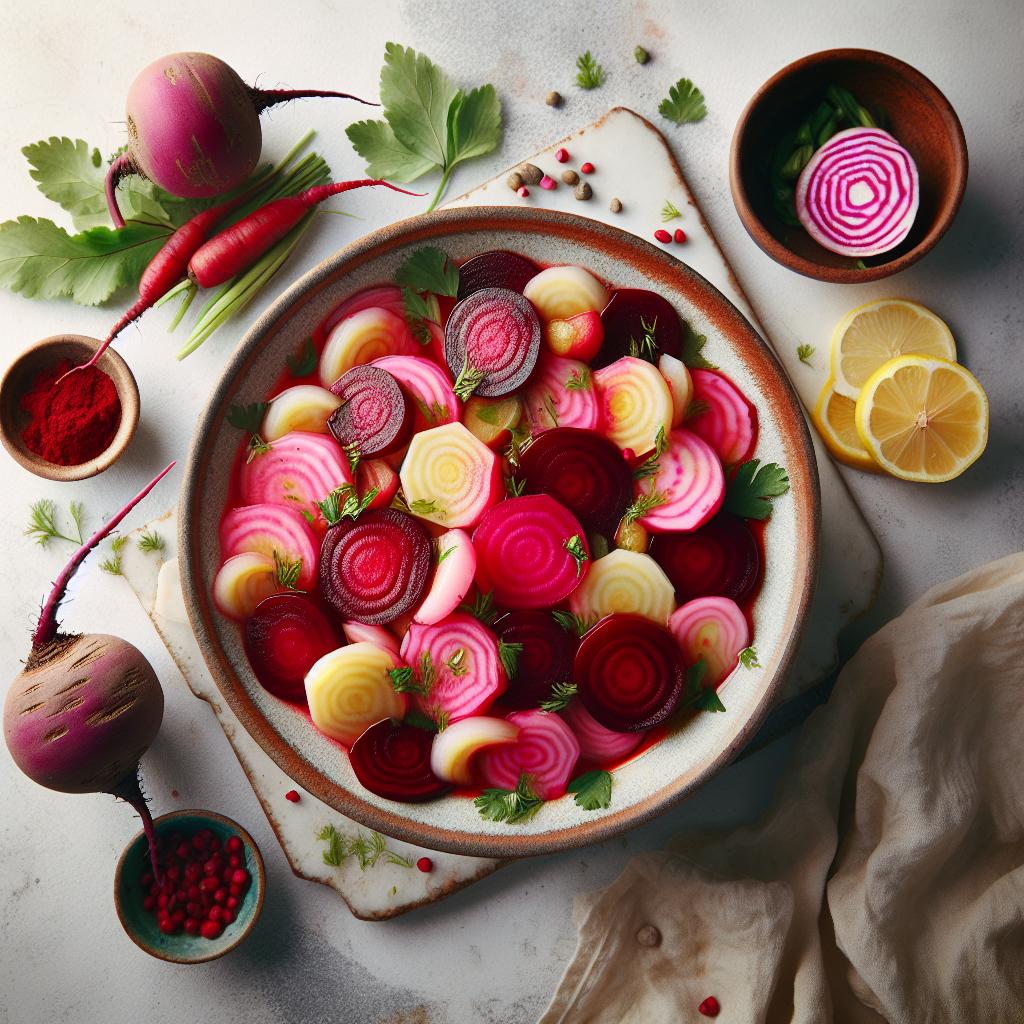
Tangy Delight: Crafting Lebanese Pickled Turnips & Beets begins with sourcing the freshest vegetables, a defining step in capturing the vibrant brine character and savor-worthy crunch. For authentic pickling, choose firm, unblemished turnips with smooth skin and bright white flesh. Likewise, the freshest beets should be vibrant, with deep red-purple skin, free from wrinkles or soft spots. These fresh roots ensure a natural sweetness that balances the vinegar’s tang, while their crisp texture withstands the pickling process without becoming mushy.
Opt for organic, locally grown produce when possible. Not only does this enhance flavor, but it also honors traditional Lebanese culinary values that prioritize seasonal, clean ingredients. Freshness is the foundation of color retention – your pickled beets should emerge with an inviting ruby hue, and turnips should offer a radiant pale pink glow from the beet brine infusion.
Prep and Cook Time
- Preparation: 20 minutes
- Pickling Time: Minimum 5 days for optimal tang and crunch
- Total Time: Approximately 5 days and 20 minutes
Yield
Yields about 4 cups of Lebanese pickled turnips and beets, perfect for sharing or pairing with mezze platters.
Difficulty Level
Easy to Medium – No advanced techniques, mostly hands-off pickling requiring patience and precision.
Ingredients
- 2 large turnips, peeled and cut into thick matchsticks
- 3 medium beets, boiled, peeled, and cut into thick matchsticks
- 2 cups white vinegar (preferably distilled or white wine vinegar for clarity)
- 2 cups water
- 3 tablespoons kosher salt
- 1 tablespoon sugar
- 4 garlic cloves, peeled and lightly crushed
- 1 teaspoon black peppercorns
- 2 dried bay leaves
- Juice of 1 lemon (optional, for extra brightness)
Instructions
- Prepare the turnips: Peel and cut them into thick sticks approximately ½ inch wide. Rinse under cool water to remove any residual dirt and pat dry.
- Cook and prepare the beets: Boil beets in water until tender but firm, about 30-40 minutes depending on size. Drain, let cool, peel, and cut into sticks matching the turnip size for uniform pickling.
- Make the brine: In a saucepan, combine vinegar, water, kosher salt, and sugar. Heat gently, stirring until salt and sugar dissolve completely. Remove from heat and let cool to room temperature.
- Sterilize your jar: Wash a glass jar with hot soapy water, rinse thoroughly, then pour boiling water inside and let sit for a few minutes to prevent contamination.
- Layer the veggies: Place half the garlic, black peppercorns, and bay leaves at the bottom of the jar. Add a layer of turnip sticks, followed by a layer of beet sticks, then sprinkle with the remaining garlic and spices.
- Pour the brine: Submerge the vegetables completely with the cooled brine. Add lemon juice if using. Use a clean weight or smaller jar to keep the veggies submerged and avoid spoilage.
- Seal and wait: Seal the jar tightly, then place it in a cool, dark cupboard. Allow it to pickle for at least 5 days. The longer it sits, the deeper the flavors and the crunchier the texture.
- Check periodically: If cloudy or film appears, skim the top carefully. Always use a clean utensil to remove pickles to avoid contamination.
Tips for Success
- Crunch factor: Adding a pinch of baking soda to boiling water to blanch the beets can help retain crunch but use sparingly to avoid off-flavors.
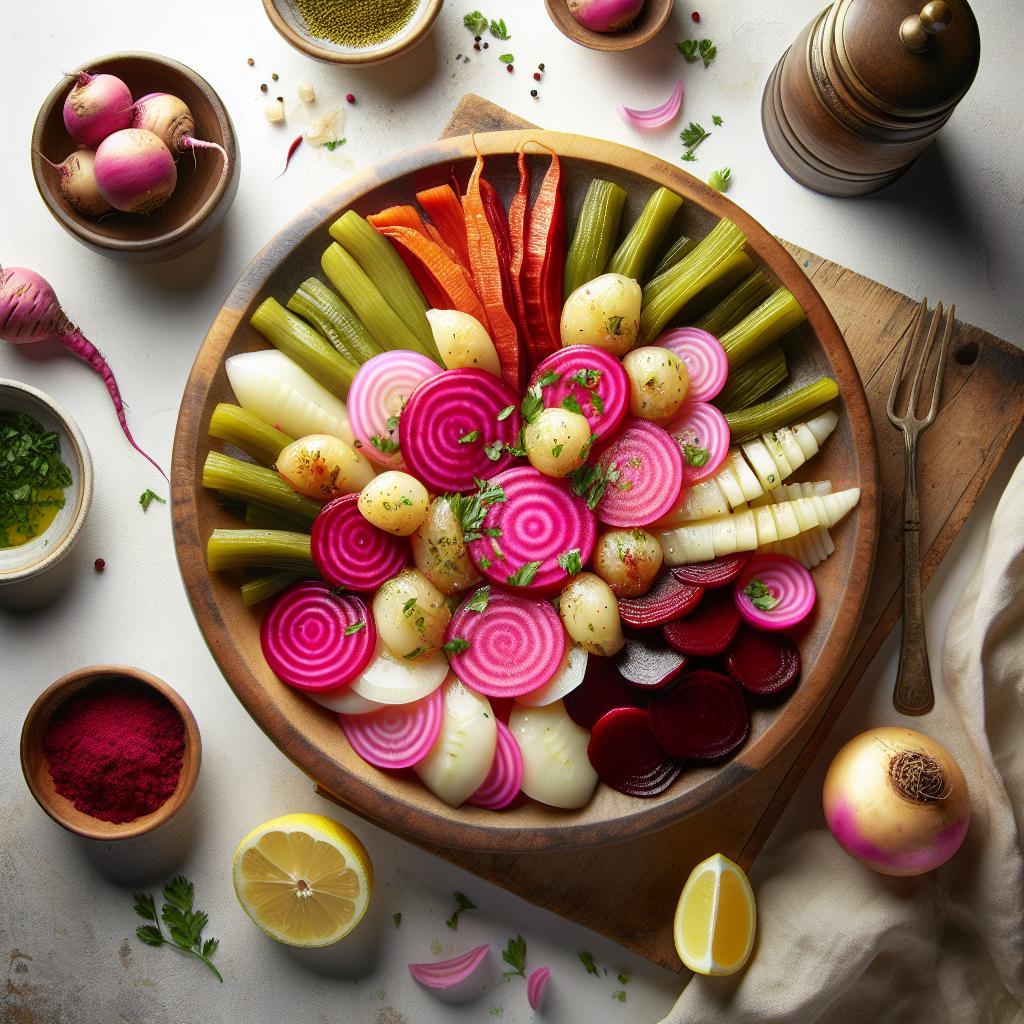
- Color magic: The vibrant pink color of turnips comes from the beet juice. Layering them allows natural bleeding; do not rinse after cutting to maximize color uptake.
- Salt choice: Use kosher or sea salt free from iodine to keep your pickles visually clear and flavor clean.
- Substitution: You may experiment with apple cider vinegar for a fruitier twist, though traditional pickling uses clear vinegar.
- Make ahead: Pickles improve after several days but keep refrigerated once opened to ensure longevity up to 3 weeks.
Serving Suggestions
Serve your pickled turnips and beets alongside classic Lebanese dishes such as creamy hummus or shawarma wraps for a burst of acidity and color. Garnish with fresh mint leaves or sprinkle with toasted sesame seeds to echo Middle Eastern authenticity. They also shine atop grain bowls or as a crunchy salad topper, adding a palette-pleasing contrast.
| Nutrient | Per 1/4 cup Serving |
|---|---|
| Calories | 25 kcal |
| Protein | 0.7g |
| Carbohydrates | 6g |
| Fat | 0g |
| Fiber | 1.5g |

For further insights into the fascinating world of traditional Middle Eastern fermentation techniques, visit Cultures for Health for expert guidance.
Q&A
Q&A: Tangy Delight – Crafting Lebanese Pickled Turnips & Beets
Q1: What makes Lebanese pickled turnips and beets so unique compared to other pickles?
A1: Lebanese pickled turnips and beets stand out for their vibrant tang and striking pink hue, a result of the natural beet juice mingling with crisp turnips. Unlike many Western pickles that often focus on cucumbers, these Middle Eastern delights balance tanginess and earthiness, offering a palate-pleasing zing that complements a variety of dishes.
Q2: What are the traditional ingredients used in this tangy Lebanese pickle?
A2: The magic begins with fresh turnips and beets, peeled and sliced into crunchy strips. The pickling brine combines simple ingredients: water, salt, sugar, vinegar (usually white or apple cider), and sometimes a touch of turmeric for color. Garlic cloves and hot chili peppers are often added for that signature aromatic kick.
Q3: Why do Lebanese pickled turnips turn such a bright pink color?
A3: The vibrant pink color is mainly due to the betalain pigments in beets. When sliced beets are packed together with turnips in the pickling jar, their juices naturally bleed into the brine and dye the turnips in vivid shades of pink. It’s an eye-catching trick of nature that no artificial coloring can match.
Q4: How long does it generally take for these pickles to develop their full flavor?
A4: Patience is key! Typically, the pickles require at least 5 to 7 days of fermentation at room temperature to develop their characteristic tangy depth. Over time, the flavors deepen and intensify. The best results come after about two weeks, but they remain crunchy and delicious even beyond that.
Q5: Can you customize the spice level or flavor profile?
A5: Absolutely! Lebanese pickled turnips and beets are incredibly versatile. Spice lovers can amp up the heat by adding more fresh chili peppers or a pinch of Aleppo pepper. For a milder, sweeter version, increasing the sugar slightly or adding a cinnamon stick to the brine can create a unique twist, turning every jar into a personalized masterpiece.
Q6: How do these pickles fit into Lebanese cuisine and meals?
A6: These pickles are the quintessential sidekick to many Lebanese dishes. Their sharp acidity and crunch cut through rich foods like shawarma, falafel, or grilled meats, refreshing the palate. They’re also fantastic in mezze platters, sandwiches, or simply served alongside a hearty bowl of hummus.
Q7: What’s a handy tip for storing Lebanese pickled turnips and beets after opening?
A7: Keep them submerged in their brine to maintain crispness and flavor, and store the jar in the refrigerator. This will slow down fermentation and keep your pickles fresh and tangy for up to a month or more. Always use clean utensils to avoid contaminating the brine.
Q8: Are Lebanese pickled turnips and beets healthy?
A8: Yes! They’re a low-calorie source of probiotics due to natural fermentation, aiding digestion and gut health. Plus, turnips and beets bring vitamins, antioxidants, and fiber to the table, making these pickles not just flavorful but also a nourishing addition.
Q9: Can I make Lebanese pickled turnips and beets at home without any fancy equipment?
A9: Definitely! All you need are fresh vegetables, a clean jar, and patience. No need for special fermentation crocks or tools. The process is wonderfully simple-slice, soak in brine, wait-and soon you’ll have your own jar of tangy delight.
Q10: What’s the best way to enjoy Lebanese pickled turnips and beets if you’re new to them?
A10: Start by pairing them with familiar flavors. Try them alongside grilled chicken or roasted vegetables to add a tangy crunch. They also make an exciting sandwich topping or a flavorful mix-in for salads. Once you fall for their zesty charm, they might just become your go-to condiment!
Key Takeaways
As the vibrant hues of tangy pinks and vivid reds dance on your kitchen counter, your journey into the art of Lebanese pickling comes full circle. Crafting pickled turnips and beets is more than a simple preservation technique-it’s a flavorful link to rich culinary traditions that brighten tables and tantalize taste buds. With each crisp, zesty bite, you’re savoring a century-old story of culture, patience, and zest. So next time you crave a burst of tangy delight, remember that with just a few simple ingredients and a little time, you can bring a timeless Lebanese classic to life right in your own home. Happy pickling!