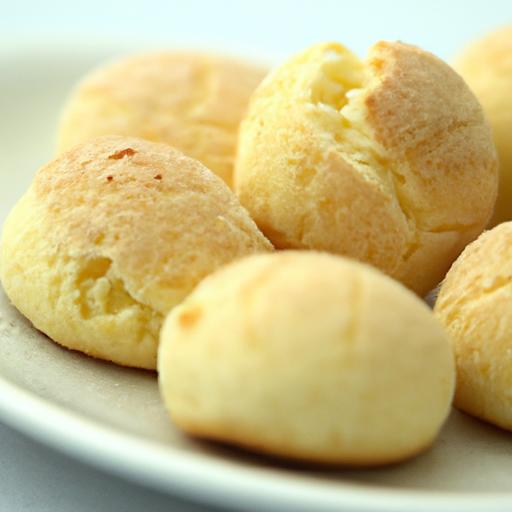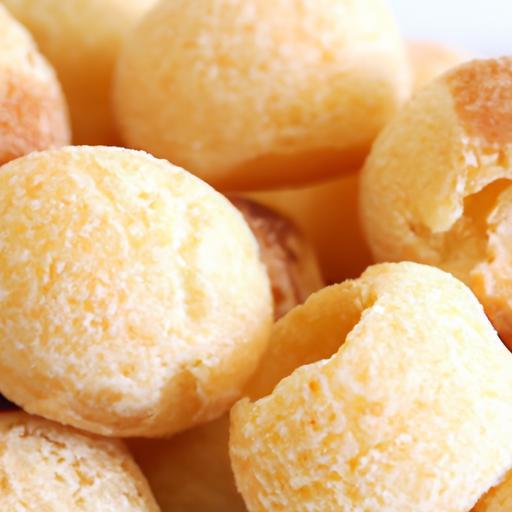

Nothing quite captures the heart of Brazilian comfort food like a warm, cheesy pão de queijo-those irresistibly chewy, golden-hued cheese breads that melt in your mouth and bring a smile to every bite. But behind every perfect pão de queijo lies a secret ingredient: polvilho. This unique Brazilian tapioca starch is the magic dust that gives the bread its signature airy texture and delightful crispness. In this guide, we’ll whisk you through the top polvilho picks that promise to elevate your pão de queijo from good to absolutely unforgettable, ensuring bakery-quality results in your own kitchen every single time. Whether you’re a seasoned pro or a curious foodie, prepare to uncover the secrets to mastering the quintessential Brazilian treat with the right polvilho at your side.
Choosing the right polvilho is fundamental to unlocking the airy, chewy charm that defines authentic Pão de Queijo. This quintessential Brazilian cheese bread’s tender crumb and irresistible puff rely heavily on understanding the nuances between sweet polvilho and sour polvilho, and selecting the best brand for consistent results.
Prep and Cook Time
- Preparation: 15 minutes
- Cooking: 25 minutes
- Total: 40 minutes
Yield
- Approximately 24 bite-sized Pão de Queijo
Difficulty Level
- Medium – Beginner-friendly with attention to ingredient quality
Understanding the Differences Between Sweet and Sour Polvilho
Two varieties dominate the market: polvilho doce (sweet tapioca starch) and polvilho azedo (sour tapioca starch). Each imparts distinct characteristics. Sweet polvilho offers a soft, delicate crumb reminiscent of tender marshmallow clouds, making the texture pillowy but sometimes denser. Sour polvilho undergoes natural fermentation, which encourages a drier, crispier crust and an impressive puff with chewy elasticity inside – the hallmark of traditional Pão de Queijo. Most authentic recipes recommend combining both to strike a heavenly balance between fluff and chew.
Expert Recommendations for Reliable Polvilho Brands
Brands like Yoki and Gostoso from Brazil set the bar high for quality polvilho. These producers ensure consistent fine grain and proper fermentation in their sour variants, guaranteeing the signature rise and tang. Trusted international brands may vary, so sourcing polvilho in Brazilian or Latin specialty stores often yields best results. For online shopping, check out [Amazon Brazil’s authentic suppliers](https://www.amazon.com.br). Opt always for fresh batches sealed tightly to preserve the starch’s delicate molecular structure.
Tips for Achieving Consistent Pão de Queijo Results with Your Polvilho Choice
When working with polvilho, moisture control is key. Because the starch absorbs liquid differently depending on brand and age, make sure to watch dough consistency closely. It should be soft and slightly sticky but not wet. Recalibrate your liquid amounts if your dough feels too crumbly or overly loose. For an ideal texture, use a blend of 70% sour and 30% sweet polvilho. Always preheat your oven adequately-between 375°F and 400°F-to produce the crisp, golden exterior that contrasts beautifully with the chewy center.
Ingredients
- 1 cup sour polvilho (polvilho azedo), sifted
- ½ cup sweet polvilho (polvilho doce), sifted
- 1 cup whole milk
- ⅓ cup vegetable oil
- 1 teaspoon fine sea salt
- 2 large eggs, room temperature
- 2 cups freshly grated Minas cheese or a blend of Parmesan and mozzarella
Instructions
- Preheat oven to 390°F (200°C) and line two baking sheets with parchment paper. This ensures easy removal and even baking.
- In a medium saucepan, bring the milk, vegetable oil, and salt to a gentle boil. Stir occasionally to combine.
- Remove from heat immediately and pour the hot liquid over the combined polvilho in a large mixing bowl. Let it sit for 3 minutes to soften the starch.
- Stir vigorously with a wooden spoon or silicone spatula until a sticky, cohesive dough forms. It will be hot, so mix carefully.
- Let the dough cool for about 10 minutes until it’s warm but no longer scalding. This prevents cooking the eggs prematurely.
- Add the eggs one at a time, mixing thoroughly after each addition. The dough will loosen slightly but remain thick.
- Fold in the grated cheese until fully incorporated, giving the dough its signature cheesy taste and elasticity.
- Use a small cookie scoop or wet your hands to form uniform balls (about 1 to 1.5 inches in diameter) and place them spaced on the baking sheets.
- Bake for 20-25 minutes until puffed and golden on top. Rotate trays halfway through baking for even color.
- Serve immediately for the freshest texture, or warm slightly before enjoying.
Chef’s Notes
- Polvilho quality varies; if your dough feels too dry or crumbly, add a tablespoon of water or milk incrementally.
- For a gluten-free version, this 100% tapioca starch recipe is naturally suitable.
- Experiment with different cheese combinations for unique flavor profiles, but Minas cheese stays true to tradition.
- Dough can be refrigerated for up to 24 hours; bring to room temperature before forming balls.
Serving Suggestions
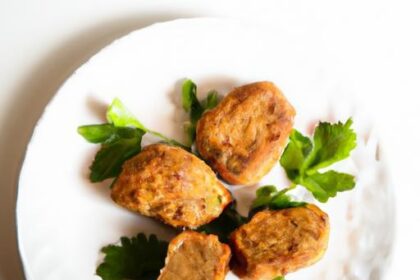
Pão de Queijo pairs beautifully with robust coffee or freshly brewed tea for breakfast or afternoon snacks. Serve warm, garnished with sprigs of fresh parsley or a light dusting of smoked paprika for visual appeal and a hint of subtle heat. For an indulgent twist, offer alongside a homemade guava jam or creamy butter.

| Nutritional Information (per piece) | Amount |
|---|---|
| Calories | 90 kcal |
| Protein | 3 g |
| Carbohydrates | 12 g |
| Fat | 4 g |
For further insights on creating perfect Brazilian breads, check out our guide on authentic Brazilian breads. To deepen your understanding of tapioca starch varieties, this scientific review on starch properties is highly recommended.
Q&A
Q&A: Top Polvilho Picks for Perfect Pão de Queijo Every Time
Q1: What exactly is polvilho, and why is it essential for making authentic pão de queijo?
A1: Polvilho is a special type of tapioca starch derived from cassava root, and it’s the magic ingredient behind pão de queijo’s signature chewy and airy texture. Without polvilho, you simply won’t capture that irresistible stretchy crumb that makes Brazilian cheese bread so beloved worldwide.
Q2: There are two types of polvilho-sweet and sour. Which one should I choose?
A2: Great question! Sweet polvilho (polvilho doce) offers a milder flavor and a slightly denser texture, making it perfect for softer pão de queijo. Sour polvilho (polvilho azedo), on the other hand, is fermented and adds a tangy kick plus extra puffiness due to its acidity. For that quintessential lightness and crisp crust, many bakers swear by a mix of both or lean heavily on sour polvilho.
Q3: How does the choice of polvilho affect the final texture of the pão de queijo?
A3: The choice of polvilho literally shapes every bite-sweet polvilho yields a more tender, chewy crumb, while sour polvilho produces a puffier, airier bread with a crackly exterior. If you want pão de queijo that bounces back when you press it and stretches gloriously as you bite, sour polvilho is your go-to.
Q4: Are there particular brands of polvilho that stand out for making pão de queijo?
A4: Yes! While availability can vary depending on where you are, some popular and reliable brands include Yoki and Harina Mandioca for sweet polvilho, and Mãe Terra for sour polvilho. Authentic Brazilian brands tend to offer more consistent and superior quality starch, but even local suppliers can work wonders if fresh and finely milled.
Q5: Can I substitute polvilho with regular tapioca starch or flour?
A5: Polvilho is a type of tapioca starch, but not all tapioca starches are created equal. Regular tapioca starch might not have the same fermentation profile or granule size, which affects how the dough rises and the bread’s chewiness. For true pão de queijo texture, stick to authentic polvilho, either sweet or sour.
Q6: How should I store polvilho to maintain its quality over time?
A6: Keep polvilho in an airtight container, stored in a cool and dry place away from direct sunlight. Moisture and heat can cause it to spoil or clump. If you buy in bulk, dividing it into smaller portions can help maintain freshness, ensuring your pão de queijo is always deliciously perfect.
Q7: Any tips on blending sweet and sour polvilho for the perfect pão de queijo?
A7: Absolutely! Experimenting with ratios is part of the fun. A common starting point is a 50/50 blend to balance tang and tenderness. If you prefer a more pronounced tang and puff, lean towards 70% sour; for a softer, mellow finish, increase the sweet polvilho proportion. Adjust per your taste and watch as your pão de queijo transforms bite after bite.
With the right polvilho pick, every batch of pão de queijo becomes a celebration of Brazilian flavor and texture. Happy baking!
Wrapping Up
Whether you’re a seasoned baker or a curious newcomer to Brazilian cuisine, choosing the right polvilho is your golden ticket to Pão de Queijo perfection. From the fine, silky texture of polvilho azedo to the subtle sweetness of polvilho doce, each type unlocks a unique dimension of flavor and chewiness that will elevate your cheese bread to café-quality delights. So go ahead-experiment, taste, and let your oven be the stage where these magical starches transform into warm, airy bites of pure joy. With the top polvilho picks in your pantry, every batch promises to be a celebration of tradition, texture, and tantalizing flavor. Happy baking!