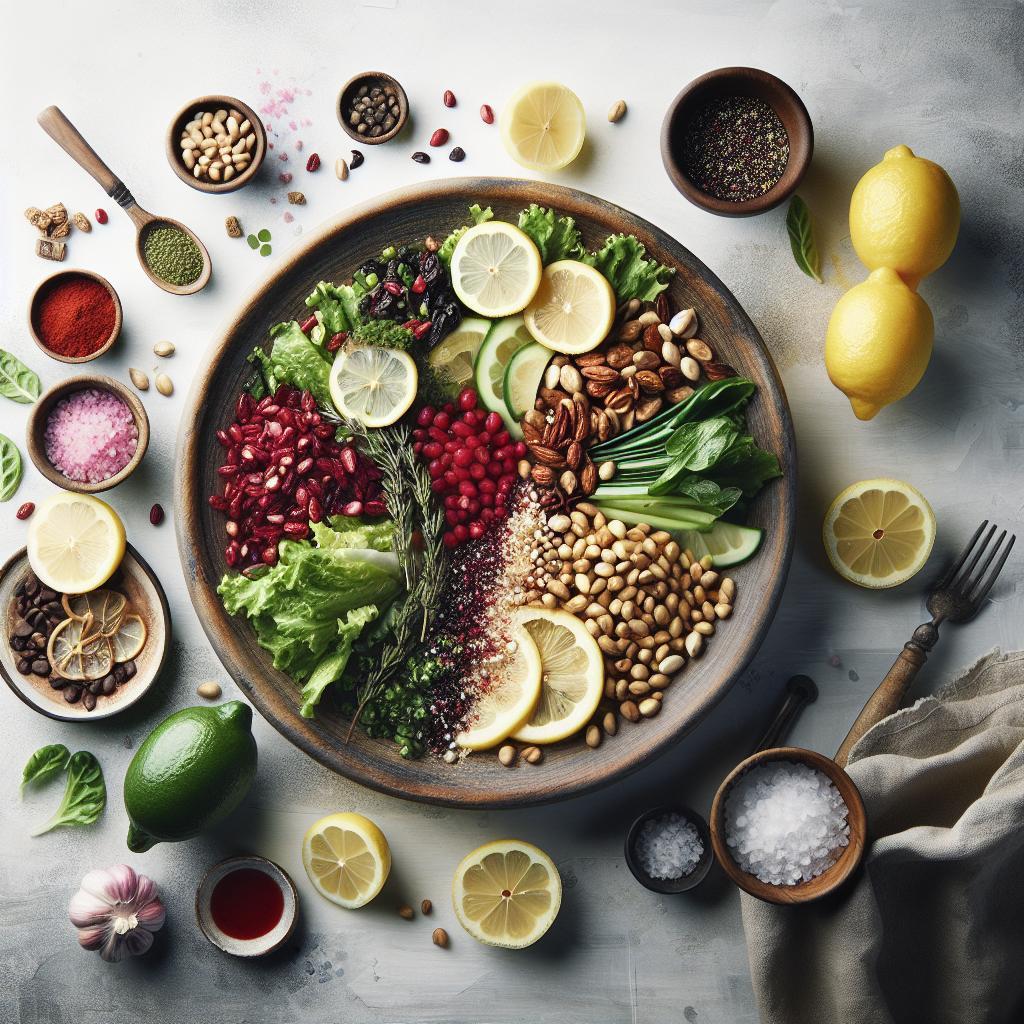

In the vibrant world of culinary flavors, sourness plays a starring role, teasing our taste buds and bringing dishes to life with its bright, zesty punch. Among the pantheon of tart ingredients, two contenders stand out for their unique profiles and versatile uses: sumac and lemon juice. Though both deliver a tantalizing tang, their origins, flavors, and culinary magic differ in fascinating ways. Welcome to the tangy showdown of sour flavors-Sumac vs. Lemon Juice-where we unravel the distinctive notes, culinary secrets, and best uses of these sour sensations that have enchanted kitchens around the globe. Whether you’re a seasoned chef or a home cook craving a burst of brightness, understanding these two sour stars will elevate your dishes from ordinary to extraordinary.
Sumac vs Lemon Juice: The Tangy Showdown of Sour Flavors
Sumac vs Lemon Juice is a captivating culinary exploration that highlights how two sour powerhouses transform dishes with their distinct origins, flavor profiles, and health benefits. Both ingredients infuse brightness, yet their unique tangs and aromatic qualities elevate recipes in very different ways. Dive into this guide to unlock the secrets behind each sour punch, discover how to use them harmoniously or interchangeably, and elevate your cooking game with nuanced acidity.
Prep and Cook Time
- Preparation: 10 minutes
- Cooking: 15 minutes
- Total Time: 25 minutes
Yield
- Serves 4
Difficulty Level
- Easy
Ingredients
- 2 teaspoons ground sumac – adds a lemony, earthy tang and vibrant color
- Juice of 1 large lemon (about 3 tablespoons) – delivers bright, crisp acidity
- 1/4 cup extra virgin olive oil – balances acidity with silky richness
- 1 garlic clove, minced – for pungent warmth
- 1 teaspoon honey (optional) – smooths sharp edges
- Salt and freshly ground black pepper to taste
- Fresh parsley, chopped, for garnish
Instructions
- Combine sumac and lemon juice: In a small mixing bowl, whisk together the ground sumac and fresh lemon juice until they form a vibrant, tangy base. This blend captures the expressive sourness of both and sets the flavor foundation.
- Add olive oil and seasoning: Slowly drizzle in the olive oil while whisking vigorously to create a silky emulsion. Stir in minced garlic, honey if using, salt, and pepper. Adjust seasoning carefully; the balance of acidity and savoriness is key.
- Marinate or dress: Use this versatile mixture as a marinade for grilled chicken or vegetables. Let ingredients soak in the sour and fragrant notes for at least 15 minutes. Alternatively, drizzle it fresh over salads or roasted grains for an immediate flavor upgrade.
- Garnish and serve: Just before serving, sprinkle with freshly chopped parsley for a pop of green freshness and added vibrancy.
Tips for Success
- Use freshly squeezed lemon juice for vibrant acidity; bottled juice can sometimes be harsh or metallic.
- Don’t overdo the sumac; its tang is powerful and can overshadow the gentle citrus brightness if too heavy-handed.
- If substituting, pomegranate molasses provides fruity tartness similar to sumac but much sweeter. Reduce honey if using together.
- For a smoky twist, try toasting sumac gently in a dry pan for 1 minute to deepen complexity.
- This blend makes a fabulous make-ahead dressing; store in an airtight container for up to 3 days and whisk again before use.
Serving Suggestions
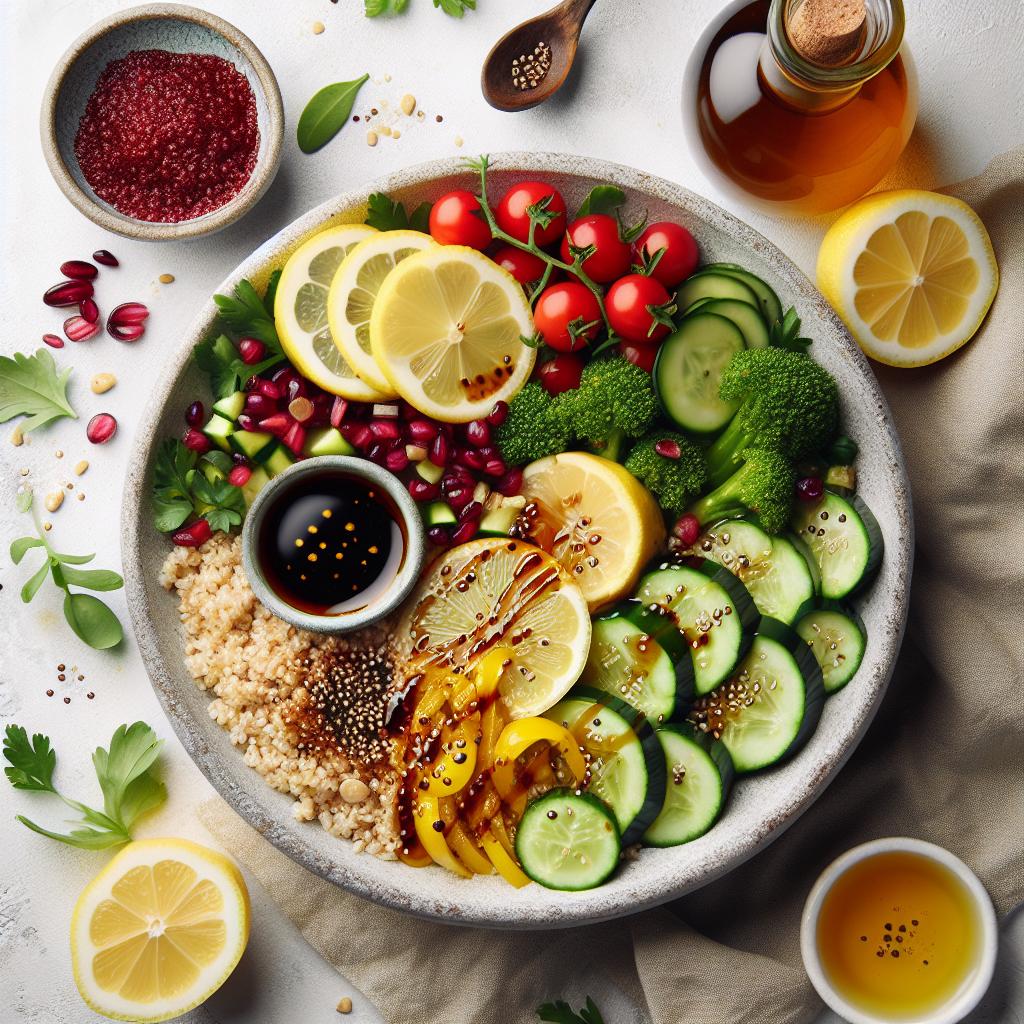
- Serve over a bowl of Mediterranean quinoa salad for a refreshing meal loaded with textures and bright flavors.
- Use as a zesty finishing drizzle on grilled lamb chops or roasted eggplant to contrast richness.
- Enhance warm flatbreads or Middle Eastern dishes like fattoush and tabbouleh with this tangy mixture.
- Pair alongside creamy yogurt or hummus for cutting through richness and adding vibrant contrast.
| Nutrient | Per Serving |
|---|---|
| Calories | 85 |
| Protein | 0.3 g |
| Carbohydrates | 2 g |
| Fat | 9 g |

Exploring Sumac vs Lemon Juice reveals a culinary narrative where vibrant sour elements brighten dishes with differing personalities. Sumac offers a rustic, almost berry-like citrus note, perfect for earthy or smoky flavors, whereas lemon juice imparts direct, fresh, and lively acidity that wakes up any palate. Understanding these contrasts allows you to wield each sour punch thoughtfully, transforming everyday meals into memorable experiences.
For further insights on balancing acidity in dishes, explore our detailed guide on mastering acid balance in cooking. To deepen your knowledge on sumac’s history and benefits, visit the Smithsonian’s [Food Cultures](https://www.si.edu/spotlight/food-cultures) for authentic cultural context.
Q&A
Q&A: Sumac vs Lemon Juice – The Tangy Showdown of Sour Flavors
Q1: What exactly is sumac, and how does it compare to lemon juice?
A: Sumac is a deep red-purple spice made from dried and ground berries of the sumac shrub, traditionally used in Middle Eastern and Mediterranean cuisines. Unlike lemon juice, which is liquid and fresh, sumac offers a dry, slightly fruity, and tangy zest with a subtle earthiness. Both bring sourness to a dish, but sumac adds a unique complexity beyond the sharp acidity of lemon juice.
Q2: Can sumac replace lemon juice in a recipe?
A: Yes and no. Sumac can mimic the sour brightness of lemon juice, but it lacks the juiciness and wet acidity. It’s ideal for dry rubs, dressings, and seasoning where you want tanginess without extra moisture. For recipes that rely on the liquid component or intense citrus aroma, lemon juice remains unmatched.
Q3: How do the flavors of sumac and lemon juice differ in cooking?
A: Lemon juice delivers a bright, zesty, and crisp acidity that instantly lifts flavors with freshness. Sumac’s sourness is more subdued, tinged with berry-like notes and a faint astringency that adds depth and color without overpowering. It’s sourness with a twist-like sunshine wrapped in spice.
Q4: Which is more versatile: sumac or lemon juice?
A: Both shine in their realms. Lemon juice is a kitchen staple for everything from beverages and marinades to desserts and dressings. Sumac specializes in savory dishes-sprinkled on grilled meats, salads, or hummus for a tangy punch. Think of lemon juice as the classic hero and sumac as the exotic sidekick that elevates dishes with intrigue.
Q5: Are there nutritional or health benefits to choosing sumac over lemon juice?
A: Sumac is rich in antioxidants and has anti-inflammatory properties, making it more than just a flavor booster. Lemon juice is also a powerhouse of vitamin C and supports digestion. Incorporating both can add unique health perks along with their delicious tang.
Q6: How should I store sumac and lemon juice for best flavor?
A: Store sumac in an airtight container, away from light and heat, to preserve its vibrant flavor and color. Lemon juice should be refrigerated and used fresh or frozen to maintain its zesty brightness. Shelf life and freshness matter big time when it comes to tangy flavor impact!
Q7: What are some creative ways to use sumac that lemon juice can’t quite match?
A: Sprinkle sumac on roasted vegetables or popcorn for an unexpected zing. Mix it into spice blends for shawarma or sprinkle over avocado toast for a tart twist with a pop of color. Sumac’s dry, vibrant character makes it perfect for finishing dishes-something fresh lemon juice can’t replicate in texture or tint.
Q8: When in doubt, can sumac and lemon juice be combined?
A: Absolutely! Using both can create a multi-dimensional sourness that amplifies freshness with subtle depth. Try adding a pinch of sumac along with lemon juice to salad dressings or grilled fish to get the best of both tangy worlds. The tangy showdown can sometimes end in a perfect partnership.
Summary: In the battle of sour sensations, sumac and lemon juice each wield their unique powers. Lemon juice dazzles with fresh, juicy brightness, while sumac seduces with dry, exotic complexity. Whether standing alone or joining forces, these tangy titans bring zest and zing that awaken any dish.
To Wrap It Up
In the grand arena of sour flavors, sumac and lemon juice each claim their vibrant throne-one with the dusty, fruity allure of ancient Middle Eastern markets, the other bursting with bright, citrus sunshine. Whether you crave the subtle, earthy tang that sumac brings to grilled meats and salads or the zesty, refreshing punch of lemon juice to elevate dressings and desserts, understanding their unique personalities empowers you to craft dishes that sing. So, next time you reach for a splash of sour, consider the tale behind each flavor: the deep heritage of sumac or the universal zing of lemon juice. In this tangy showdown, the real winner is your adventurous palate.